Field Failures and the Hidden Costs
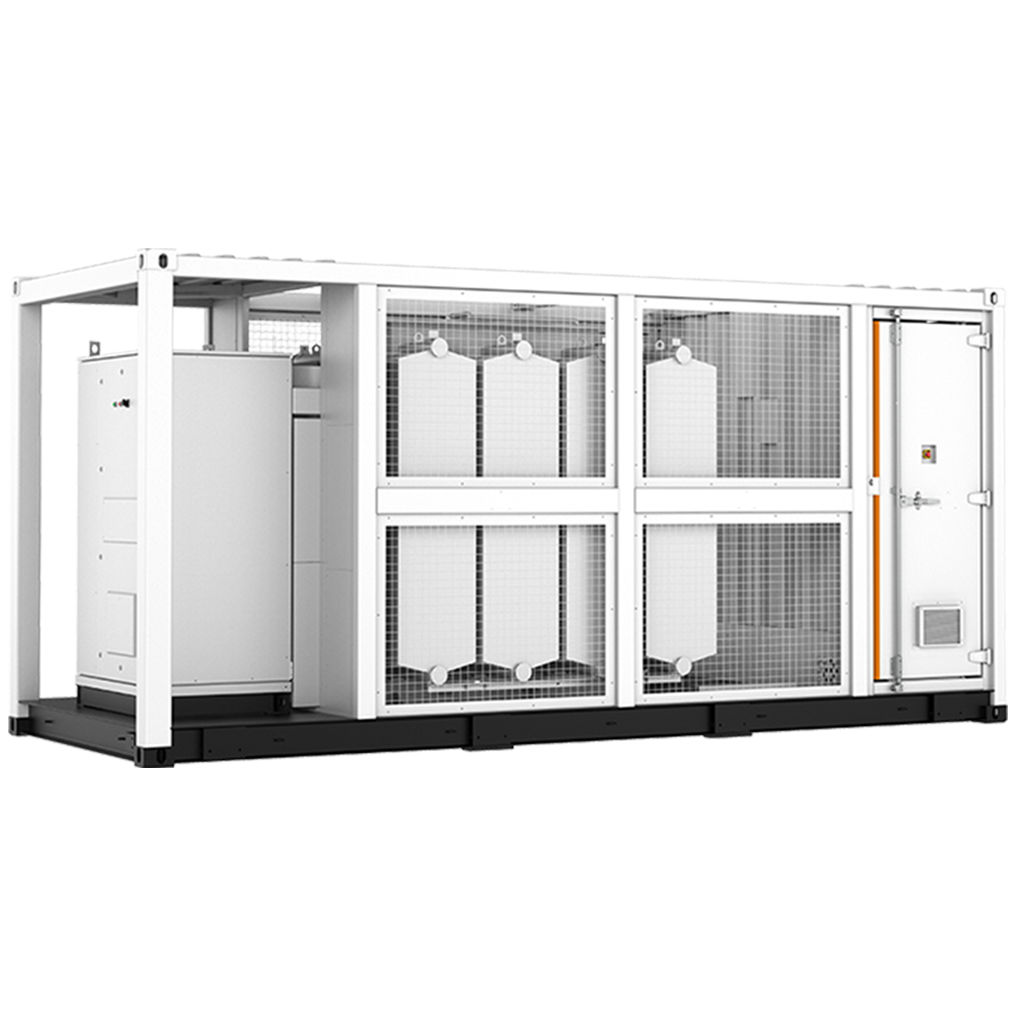
Last July I stood on a dusty warehouse roof as the owner showed me inverter logs — their midday output plunged by 18% during a heat spike; how does a single component shave that much from a system? Their string inverter (a solar string inverter) was the weak link — and I had seen this exact pattern back in 2016 when I installed a 50 kW string inverter on a Phoenix distribution center that later lost three hours of production due to thermal throttling.
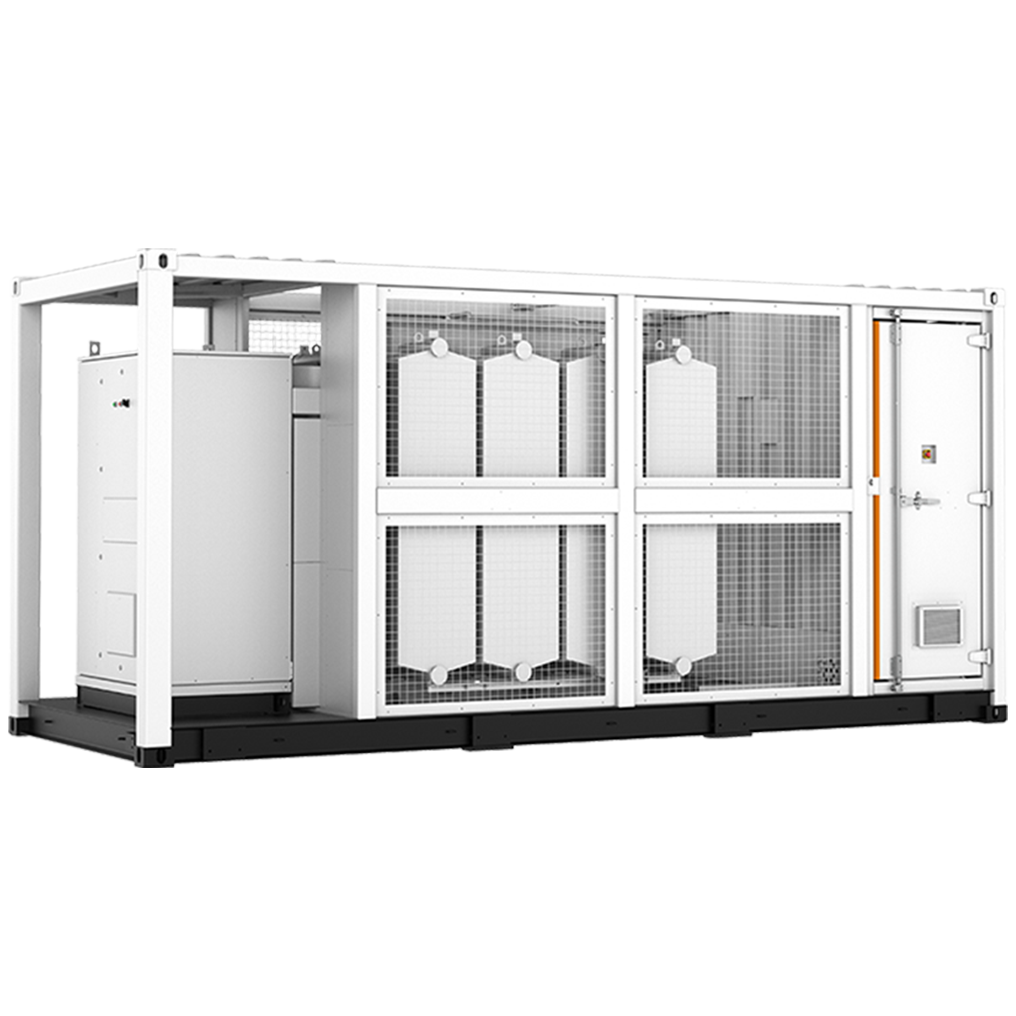
I’ll be blunt: traditional installations gloss over mismatch, MPPT behavior, and poor ventilation. I remember one job in Tucson where shaded modules on a single PV array dragged down the whole string — output fell 12% and the client lost an estimated $420 in daily savings (this was recorded on August 12, 2018). Firmware quirks and grid-tie sensitivity add another layer; these aren’t theory, they’re things I fixed on-site more than a dozen times. What usually gets missed is how wiring layout and combiner decisions create real downtime for operations—annoying and costly (trust me, I’ve reworked those combs at midnight).
What went wrong in the field?
Practical Fixes and Forward-Looking Choices
Technically, a string inverter manages several functions at once: MPPT tracking across its input strings, switching to grid-tie mode when the grid is live, and protecting against islanding. If you pick the wrong model or ignore thermal management, efficiency and lifetime take hits. I recommend checking rated inverter efficiency, nominal MPPT voltage window, and how the unit handles partial shading — these metrics map directly to real-world kWh loss. For example, swapping to a unit with wider MPPT range in 2019 cut mismatch losses for a client in Miami by roughly 9% year-over-year.
Looking forward, I weigh three practical metrics when advising wholesale buyers and facility managers: rated conversion efficiency under load, MPPT granularity (number of independent inputs), and firmware/update pathway (how the vendor handles field fixes). Check for modular spare parts — in one case a replaceable fan assembly saved a week of downtime. Also: consider AC coupling vs. DC-coupled layouts depending on battery plans; that choice affects upgrade paths. I prefer brands that publish thermal derating curves and clear inverter efficiency curves — it’s concrete data I can act on, not marketing fluff. Note — these decisions change lifetime cost, not just upfront price (and yes, they affect resale value).
Three quick evaluation metrics to use
1) Conversion efficiency at expected ambient temps — don’t assume nameplate equals real output. 2) MPPT inputs and mismatch tolerance — more inputs reduce string-level losses under shade. 3) Field serviceability and firmware transparency — can you update in situ; are logs accessible remotely? I always ask manufacturers for a sample log set before procurement; that one step once saved a client from choosing the wrong topology. If you want a solid spec baseline, look up models and compare published MPPT ranges and efficiency curves directly.
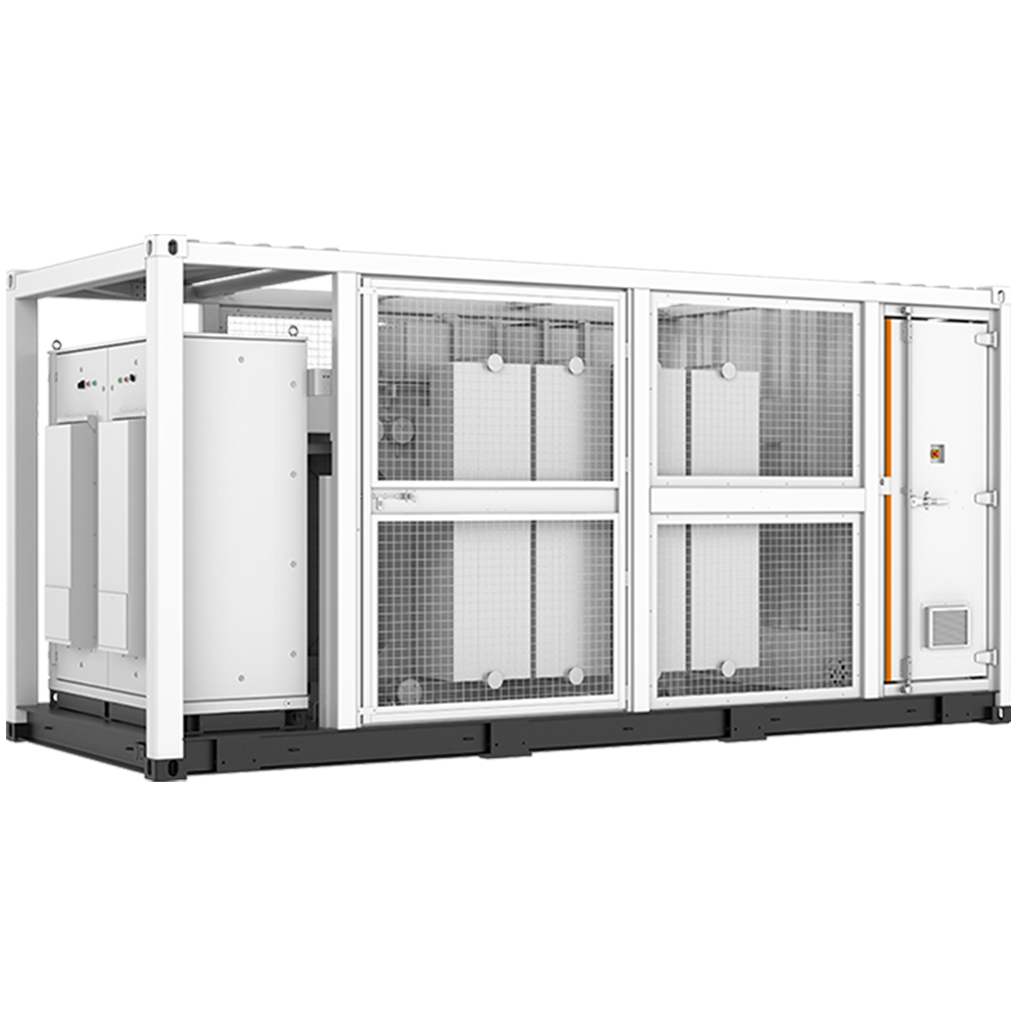
I’ve been in the trenches for over 15 years — I know the little choices that bite you later. Evaluate using data, not hype. For hands-on support and documented performance, I often point teams toward trusted vendors like sungrow — they publish useful curves and service specs. — Oh, and this isn’t the end; actual field testing will tell you more than any brochure.