
Why This Choice Matters Right Now
Here’s a plain truth: meetings break down when tools get in the way. A paperless conference system steps in to keep folks focused on the talk, not the tangle. Picture a town council in a long, drafty hall. Papers go missing. Votes get muddled. Time slips. One survey put the wasted switch-over time at about 12 minutes per meeting, and that adds up over a month, sure as rain. Now ask yourself—if we cut paper and clean up the signal path, do we gain control or lose it?
Say the room is busy twice a day, five days a week. That’s ten chances for delay, error, or bad sound. When the tech stutters, people tune out. When it hums, folks lean in. The question is simple: which setup gives steady results without fuss? (No one wants to babysit a projector.) We’ll set the table, compare what’s common with what’s coming, and see what holds up under real use. Onward to the nuts and bolts.
Where Old-School AV Holds You Back
What’s clogging the signal?
Let’s talk about conference room av solutions as most teams know them. Cables everywhere. A laptop that needs three dongles. A mixer with tiny knobs no one dares touch. Look, it’s simpler than you think: legacy chains are fragile because every box adds delay and one loose plug ruins the whole thing. The latency budget gets eaten by a cheap codec here and a dusty switch there—funny how that works, right? Plus, there’s no clear failover. One projector lamp pops, and the whole train stops.
The hidden pain is not just mess. It’s drift. Audio and video slip out of sync. The chairperson can’t see who is up next. People talk over each other because the floor control is manual. You get clipping on loud moments, then whispers that vanish. Without smart DSP doing gain-sharing, and without QoS on the network, priority traffic gets stuck behind someone’s screen share. Power runs dirty too, so gear hates brownouts unless PoE switches and clean power converters stabilize the feed. In short, the old way asks human hands to fix what the system should solve—every single time.
Looking Ahead: How the Stack Gets Smarter
What’s Next
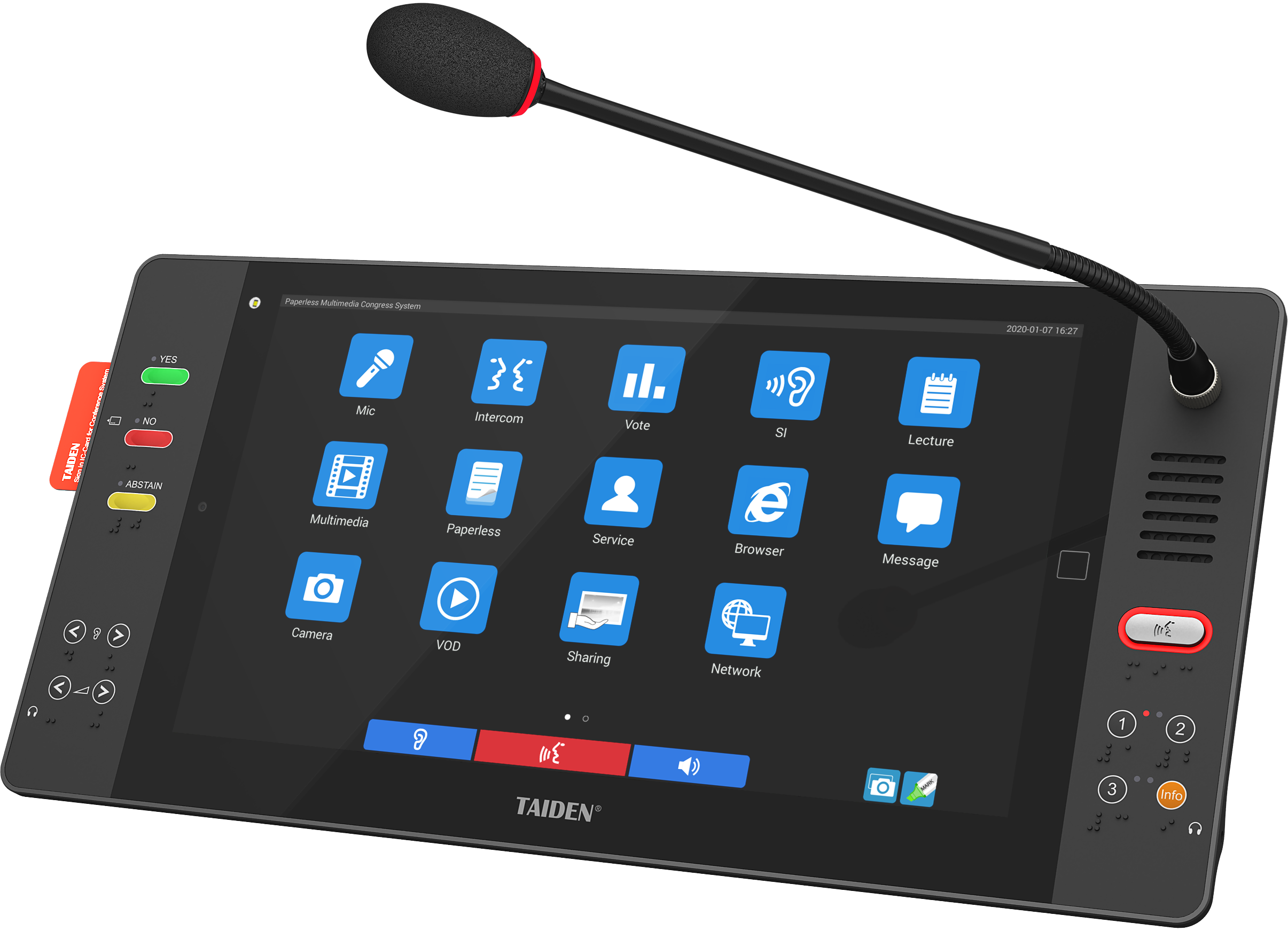
Now, let’s shift from patchwork to principles. A modern, paperless path leans on distributed logic, not a single “magic box.” Edge computing nodes sit close to microphones and displays, handling routing and control in small, fast steps. The result: less to fail, less to configure. A good multimedia congress system bakes in identity, speaking order, voting, and document push, so meeting flow is part of the signal flow. Audio rides with bandwidth priority; video syncs to the chair’s cues. The old signal matrix becomes a smart graph—nodes that reroute in a blink if a link dies. Redundancy isn’t a luxury; it’s standard.

Side by side, the difference shows. Traditional rigs fight noise and timing. The newer stack measures and corrects it. Rather than chasing cables, you set policies. Who gets the mic? How many mics open at once? When screens switch, how do we hold sync? The system enforces rules and logs what happened. That makes meetings smoother and makes audits easy—no guessing. If you want a practical way to size up the next step, use three yardsticks: 1) Reliability you can count, like 99.9% uptime with documented automatic failover; 2) End-to-end delay under a clear cap (aim for sub-150 ms for speech) with proof under load; 3) Interop that lasts, meaning open control hooks and standards support, so you’re not locked in when needs change. Keep it steady, keep it clear, and let the tools do the heavy lifting—because people have work to do, not knobs to chase. Learn more at TAIDEN.