Introduction: A Short Factory Moment
I once stood beside a humming assembly line and watched a motor stall for the third time that week (small factory, big stress). Electrical Motor Products were everywhere on that floor — drives, gears, sensors — all trying to keep machines moving. Recent shop-floor checks show many plants lose up to 30% of planned productivity to motor-related stops; that rang true in my visit. So I asked: can we add smart control without creating more trouble? I’ll walk you through what I saw, what the data hinted at, and — importantly — what I learned we can do next. This sets us up for a closer look at the common fixes and why they often miss the point.
Why Traditional Fixes Fall Short
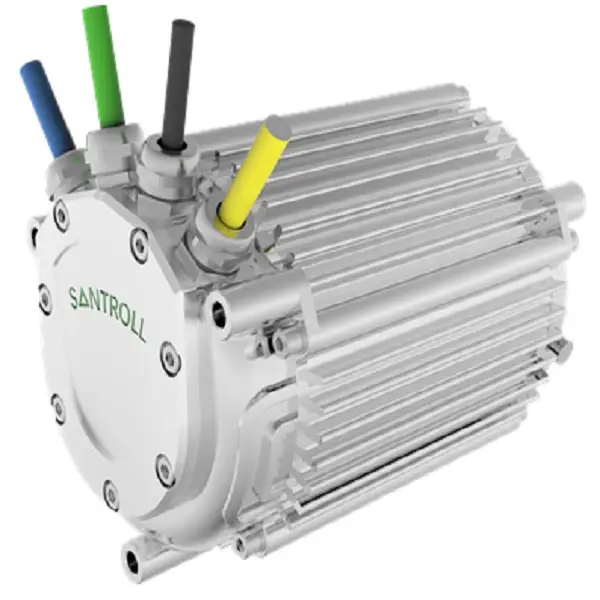
When teams search for reliable answers, they land on electric motor solutions — hardware bundles, retrofit kits, replacement motors. Good starting point. But here’s the thing: most fixes target symptoms, not system behavior. They swap a worn bearing, upgrade a motor winding, or add a basic inverter. These help short-term, yet faults return because the control layer and system diagnostics remain weak. Look, it’s simpler than you think: without proper feedback loops or robust motor controller logic, you cannot stop recurring torque ripple, voltage spikes, or phase imbalance from causing fresh outages. I’ve seen brushless DC systems fail due to poor sensorless control tuning; I’ve seen power converters trip because their thermal model was ignored. In short, traditional hardware swaps often ignore control strategy and diagnostic clarity — and that is the real leak in reliability.

What’s the root cause?
Mostly a mismatch between component upgrades and system intelligence. You add a higher-rated inverter but leave the same crude protection thresholds. You fit an advanced motor, yet the controller still reads only basic current and voltage. That gap — between what hardware can do and what the control logic actually uses — is where downtime hides. We need better telemetry, smarter motor controller algorithms (vector control, PWM tuning), and tighter integration between sensors and edge computing nodes to close it. — funny how that works, right?
Looking Ahead: Principles for New Technology
Now let’s shift to the future. I focus on new technology principles that make upgrades meaningful. First: design controllers that think in system states, not just thresholds. This means combining torque estimates, temperature trends, and inverter behavior into a single decision model. Second: prioritize modular, testable firmware so you can update control logic without halting production. Third: deploy clear telemetry paths — use simple edge computing nodes to collect motor vibration, current harmonics, and encoder data. These steps let an ac motor and controller pair behave predictably under varied loads and reduce reactive maintenance.
What’s Next
Practically, we move from patchwork to platform: standardized sensor interfaces, predictable control APIs, and safe over-the-air tuning. I recommend starting small — pilot one line, collect baseline data for a month, then iterate firmware changes. You’ll get measurable drops in false trips and better response to transient loads. Also — yes, you should expect a learning curve, but the payoff is lower mean time to repair and clearer maintenance priorities. The next step is choosing solutions wisely; here are three metrics I use when evaluating upgrades: 1) Diagnostic depth — how many failure modes can the system detect and explain? 2) Updateability — can control logic be revised without long downtimes? 3) Integration cost — how much wiring, calibration, and training will the change require? Use these to compare vendors and options objectively.
Closing: Practical Takeaways
I’ll be frank: switching parts is easy. Changing how the system thinks is harder. I prefer measurable moves — telemetry first, smarter controllers next, then hardware refreshes where needed. That order has made the biggest difference in the sites I work with. We keep things simple, test fast, and focus on metrics that matter. If you follow that path, you’ll reduce surprises and gain predictable performance. For projects I consult on, I often point teams to platforms that support modular controllers and clear diagnostic outputs — places like Santroll offer practical options we can evaluate together.