Introduction: A Quiet Factory, Loud Questions
Have we truly measured what modern factories gain — and lose — as they chase higher throughput?
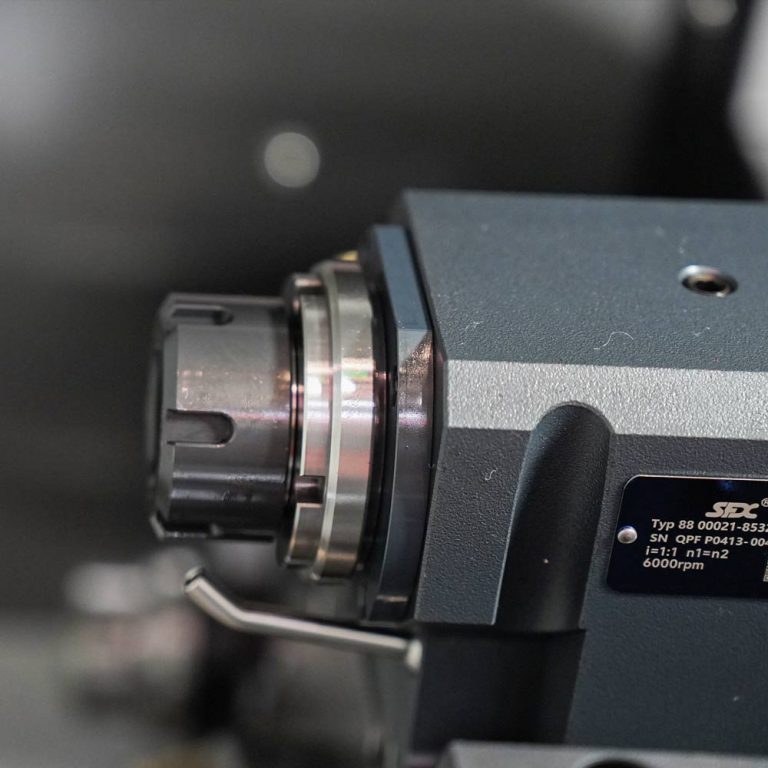
In one corner of the shop floor a single line hums: a double spindle CNC machine sits at the center of a tight workflow, turning two parts at once to meet quotas and deadlines. I’ve walked those aisles and noted the metrics: uptime percentages nudging toward 92–95% in good months, throughput gains of 1.8x when setups are ideal, yet a surprising 20–30% of stops come from avoidable causes (misalignment, coolant contamination). What do those numbers mean for a mid-sized shop trying to stay competitive while keeping skilled staff from burning out?
Scenario: you need parts faster and cheaper. Data: current machines promise speed but introduce complexity. Question: should you double down on more spindles or rethink the whole line?
As someone who has advised shops and watched engineers argue over torque curves, I try to keep a steady, diplomatic tone — we must balance investment with human capacity, policy with practicality. There are clear trade-offs here, and we must look at them squarely before choosing a path forward. Next, I’ll unpack where the old answers fail and why those failures matter to your workflow.
Peeling Back the Layers: Why Traditional Double-Spindle Machines Let Shops Down
double spindle machine designs promised parallel productivity, but in practice certain flaws keep resurfacing. I’ve seen this pattern often: a system boosts cycle count on paper, yet the real-world gains stall because peripheral systems were not upgraded. Issues like tool changer jams, uneven spindle speed control, and heat buildup in bearings reduce net output. We call these hidden losses—small, repetitive failures that add up to lost shifts and higher scrap rates.
Why do these failures persist?
Technically speaking, legacy machine architectures focus on raw mechanics—robust spindles, rigid beds, and simpler PLC logic. But modern demands ask for more: adaptive feed rates, predictive maintenance via edge computing nodes, and better power converters to smooth transient loads. Too often, shops treat the spindle as the hero and ignore supporting systems. I remember a line where the servo turret worked fine, but the coolant delivery system failed at high RPMs; the result was repeated downtime and, yes, frustrated operators. Look, it’s simpler than you think: you can’t speed up what you haven’t stabilized.
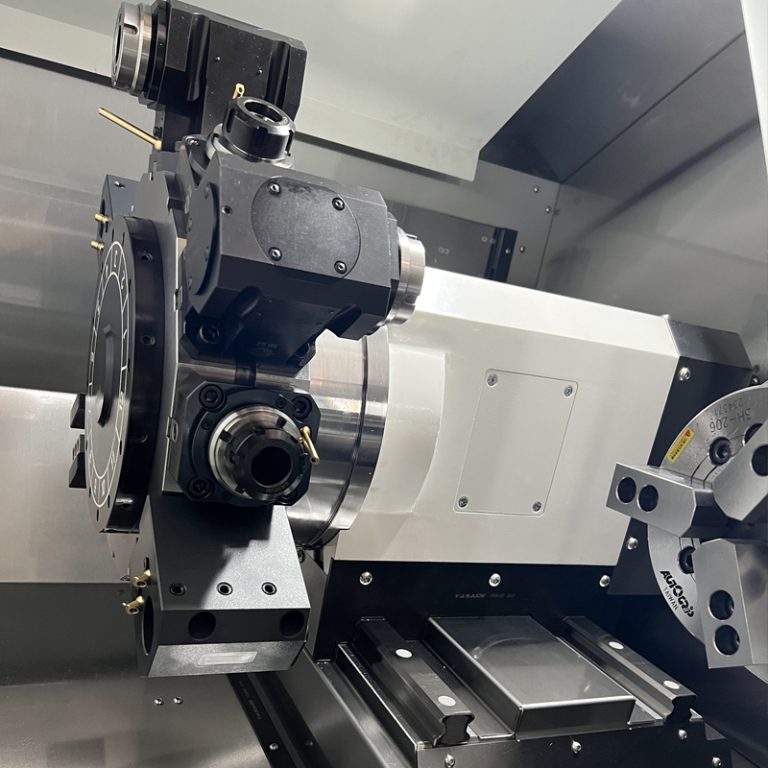
What’s Next: New Principles for Next-Gen Double-Spindle Machines
Moving forward, I believe we must adopt a systems view. New technology principles revolve around integration: sensors that feed condition data to control layers, smarter motion profiles for each spindle (not a one-size-fits-all feed), and modular toolheads that let you swap functions without full rework. For cnc milling manufacturers, this means offering machines with native data pipelines, better human–machine interfaces, and clearer upgrade paths rather than one-off custom fixes. These changes lower technical debt over time.
Real-world Impact — and How to Measure It
Practically, that means choosing machines with standard APIs, robust telemetry, and support for distributed control — you want units that can share load and coordinate spindle work without a single point of delay. I’ve sat through demos where a machine’s new control reduced cycle variation by 12% and cut unplanned maintenance by nearly a third — funny how that works, right? Still, not every new gadget is worth the spend. We need three clear metrics to judge: mean time between failures (MTBF), effective cycle time under mixed loads, and the real cost of changeover measured in lost parts per hour. Those numbers tell the honest story.
Advice: Three Key Evaluation Metrics and a Final Note
When you evaluate double-spindle solutions, I recommend we focus on these three metrics: 1) MTBF as a measure of resilience; 2) sustained throughput under realistic, mixed-run conditions; and 3) lifecycle support for upgrades — how easily can the machine get new sensors, updated servo profiles, or better power converters? Use those figures as your baseline. I’ve seen teams choose based on top-speed alone and regret it. We should be pragmatic — buy durability and adaptability, not only headline rpm numbers.
In closing, I want to stress something personal: investing in better integration and clearer metrics pays dividends in morale and predictability. Machines are tools for people, not replacements of judgment. If you want a partner that understands these trade-offs, consider the measured offerings from Leichman. We’ll keep asking the right questions and push for solutions that work on the floor — and with the people who run it.