Introduction — is the status quo really working?
Have you ever watched a production line choke on its own complexity and wondered why we accept so much waste? I see that happen often in small factories, and the numbers are shocking: many small-batch producers report 12–18% material loss on their runs. The wet tissue machine in those lines is usually the weak link — not because the idea is bad, but because choices were made for speed over control. I feel strongly that we can do better (and fast). What if a few focused changes could cut scrap, save energy, and lift product feel all at once? That question drives everything I care about when I help teams pick equipment. In the next section I’ll dig into where traditional setups fail and what that means for manufacturers who need reliability and margin. Let’s get practical and honest about the problems we can fix next.
Traditional solution flaws: where the line breaks
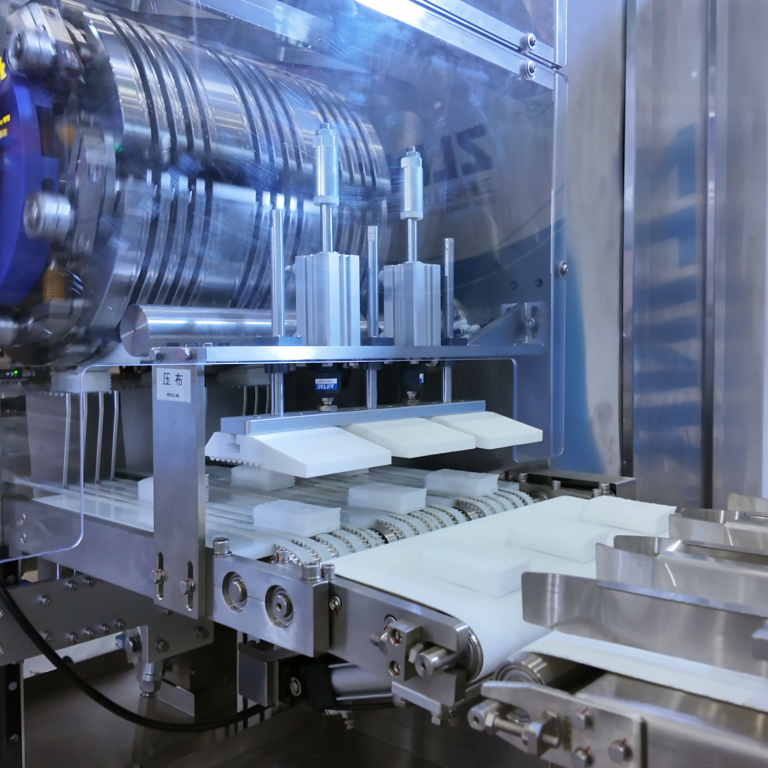
I’ll be blunt: many small operators trust legacy designs and lose margin because of hidden mechanical and control issues. If you’re researching baby mini wet wipes machine manufacturers, you’ll notice offerings that look similar on paper — but the devil is in the details. Common flaws I see are poor tension control, imprecise die-cutting, and underpowered servo motors that can’t hold speed under load. Those weaknesses create web-stretch, uneven perforation, and inconsistent embossing. On top of that, cheap PLC setups and weak rewinder systems make changeovers slow and error-prone. I’ve walked lines where an operator spends half a shift fixing misfeeds — look, it’s simpler than you think: better components and smarter controls cut that time dramatically. Technically, improving feedback loops (closed-loop tension), upgrading to higher-torque servo drives, and adding precision rewinder rollers reduces scrap and improves tactile quality. From my experience, these fixes aren’t glamorous, but they pay back quickly in fewer rejects and happier customers. Why does this still happen? Because initial purchase price often trumps life-cycle thinking, and that short-term saving becomes a longer-term cost.
Why aren’t these fixes standard?
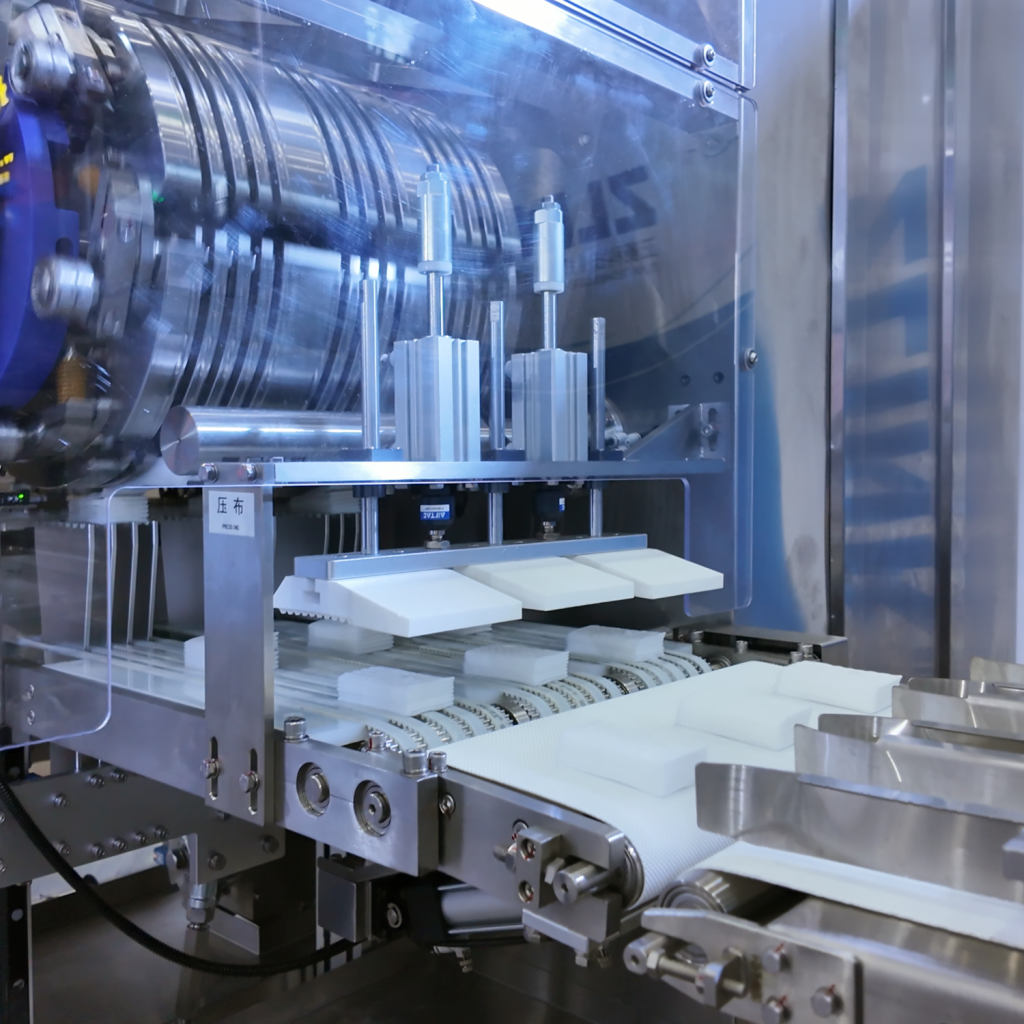
Mostly because buyers focus on throughput numbers rather than control quality. They read specs and pick top speed, not the stability of torque curves, the accuracy of a PLC routine, or the quality of bearings. That’s a mistake I’ve seen repeat across plants — and it’s avoidable with simple benchmarking during factory acceptance testing.
Future outlook: smarter, smaller, cleaner
Looking forward, I expect the next wave of mini wet wipes lines to lean into modular, serviceable designs that emphasize quality per minute rather than pure speed. I keep an eye on what baby mini wet wipes machine manufacturers are prototyping — and many are adding modular servo packs, quick-swap die stations, and improved lamination heads. These changes let small makers run multiple SKUs with minimal downtime. From a practical viewpoint, that means less waste when you switch fragrances or tissue types, and better tactile consistency across batches. I’m optimistic — there’s real momentum toward machines that balance automation with human oversight, and that balance reduces dependency on overtime and manual rework. — funny how that works, right?
What’s Next?
In the near term I’d expect better integration of energy-efficient power converters and clearer operator interfaces so teams can tune runs without an engineer on site. Real-world trials show that modest capital for smarter controls often returns within months through lower scrap, reduced labor hours, and fewer complaints. I’ve seen plants transform their margins by focusing on these pragmatic upgrades rather than chasing headline speed specs.
How I recommend choosing a machine — three practical metrics
I’ll leave you with three concrete metrics I use when advising teams: 1) Control Stability — test closed-loop tension and servo torque consistency under load; 2) Changeover Time — time how long it takes to swap dies and adjust rewind; 3) Total Cost of Ownership — model scrap reduction, energy use, and maintenance over two years, not just the sticker price. Evaluate suppliers on those points and insist on an on-site demo with your materials. If you want a reliable partner, check the brand’s track record and after-sales support before you sign. In my view, those three checks separate smart buys from regret.
For anyone building a reliable mini wet wipe line, I recommend you look into vendors who back their machines with real service and practical training — and, if you want a place to start, consider exploring offerings from ZLINK. I say that because I’ve seen teams change their fortunes when they move past cheap, fast choices to smarter, steadier ones.