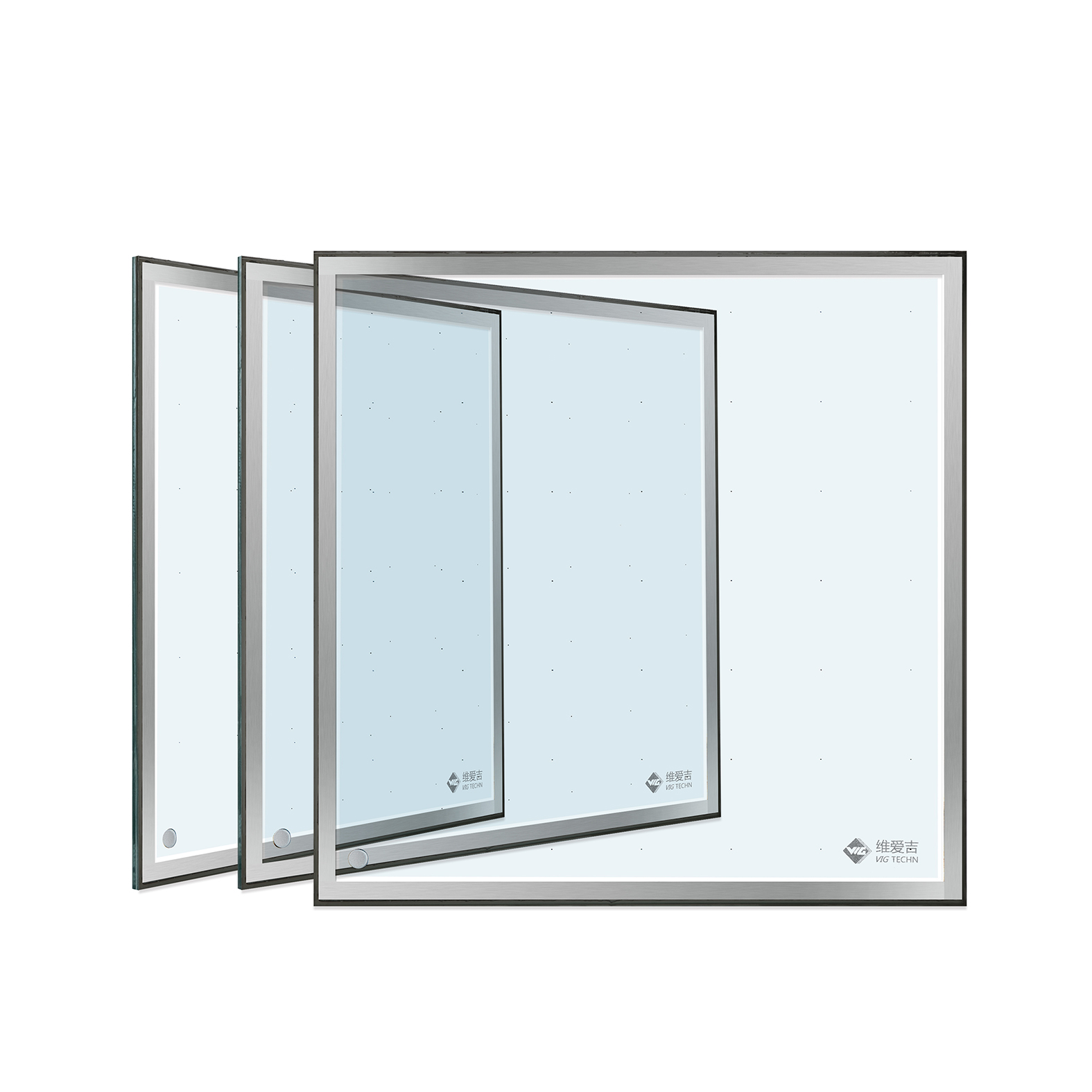
Overview of Vacuum Insulated Glazing
Vacuum insulated glazing (VIG) represents a significant advancement in window technology, characterized by its ability to provide superior thermal insulation with minimal thickness. In contrast to traditional double-glazing, which typically features air-filled spaces between panes, VIG employs an evacuated interspace, effectively reducing heat transfer through conduction, convection, and radiation. This technique results in exceptional performance metrics, translating to improved energy efficiency and indoor comfort. As sustainability becomes increasingly paramount in architectural design, the role of vacuum insulated glazing as a viable alternative to conventional insulation materials cannot be overstated.
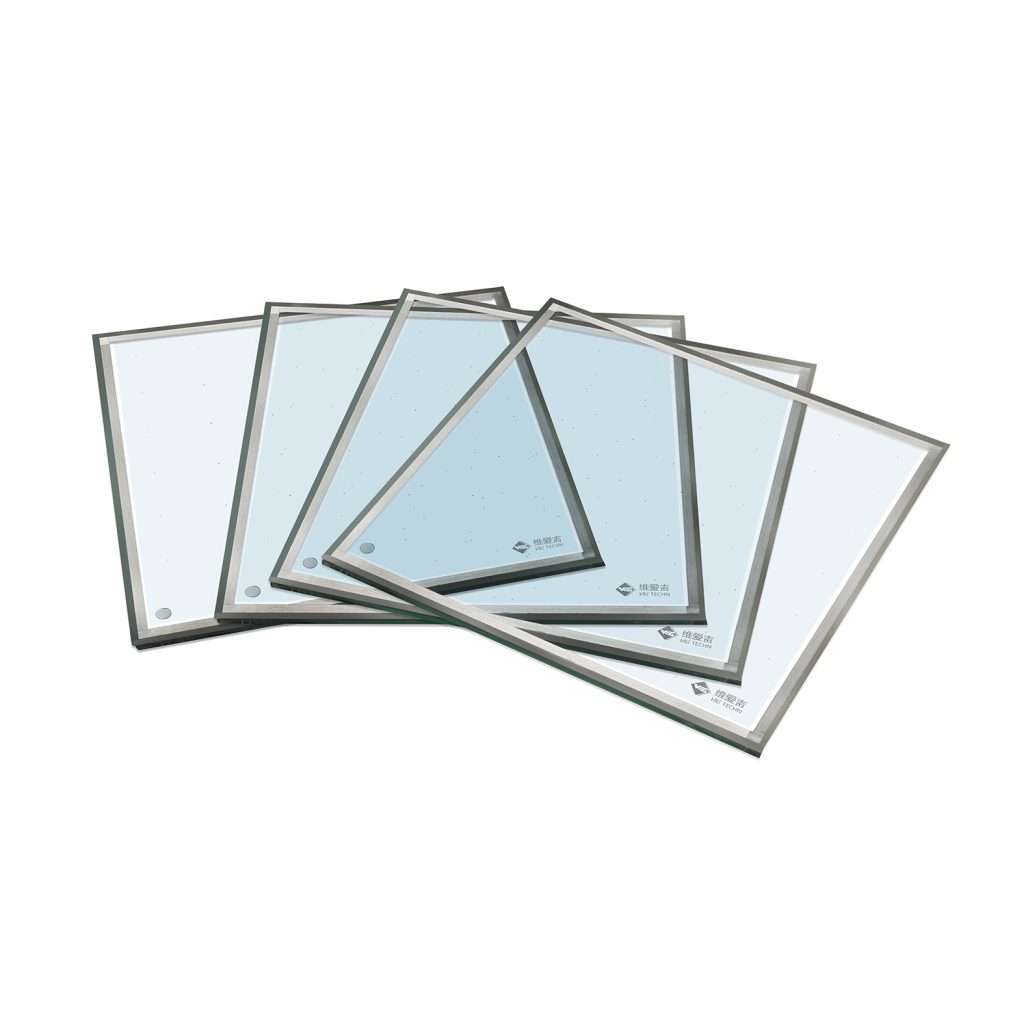
The Most Effective Window Insulation
When considering options for window insulation, one must evaluate the effectiveness of various insulating products. Notably, vacuum insulated glazing emerges as a leading contender, often regarded as the most effective window insulation available on the market. Its unique design not only minimizes energy loss but also contributes to reduced heating and cooling costs in residential and commercial properties. Homeowners can expect enhanced thermal performance, particularly during extreme weather conditions, making VIG an indispensable choice for modern building projects. Moreover, the space-saving design of VIG allows for larger windows without compromising insulation, striking a balance between aesthetics and functionality. In real-world applications, buildings utilizing VIG have reported significant savings in energy bills, thus reinforcing its value proposition as an investment toward a sustainable future.
Understanding Insulated Glass Windows
The advancement of insulated glass window technology has played a pivotal role in enhancing energy efficiency across various buildings. An insulated glass window generally comprises two or more glass panes separated by a spacer and sealed to create an airspace. However, when it incorporates vacuum insulation, the performance dramatically improves due to the reduction of heat transfer. This leads to a marked decrease in energy consumption for heating and cooling, thereby benefiting both the environment and the homeowner’s wallet. Notably, developments in insulated glass window technology have allowed for thinner, lighter designs without a compromise in performance, making them suitable for a vast array of architectural styles. Users have reported enhanced comfort levels, with fewer drafts and a reduction in unwanted noise pollution, elevating the quality of life within those spaces.
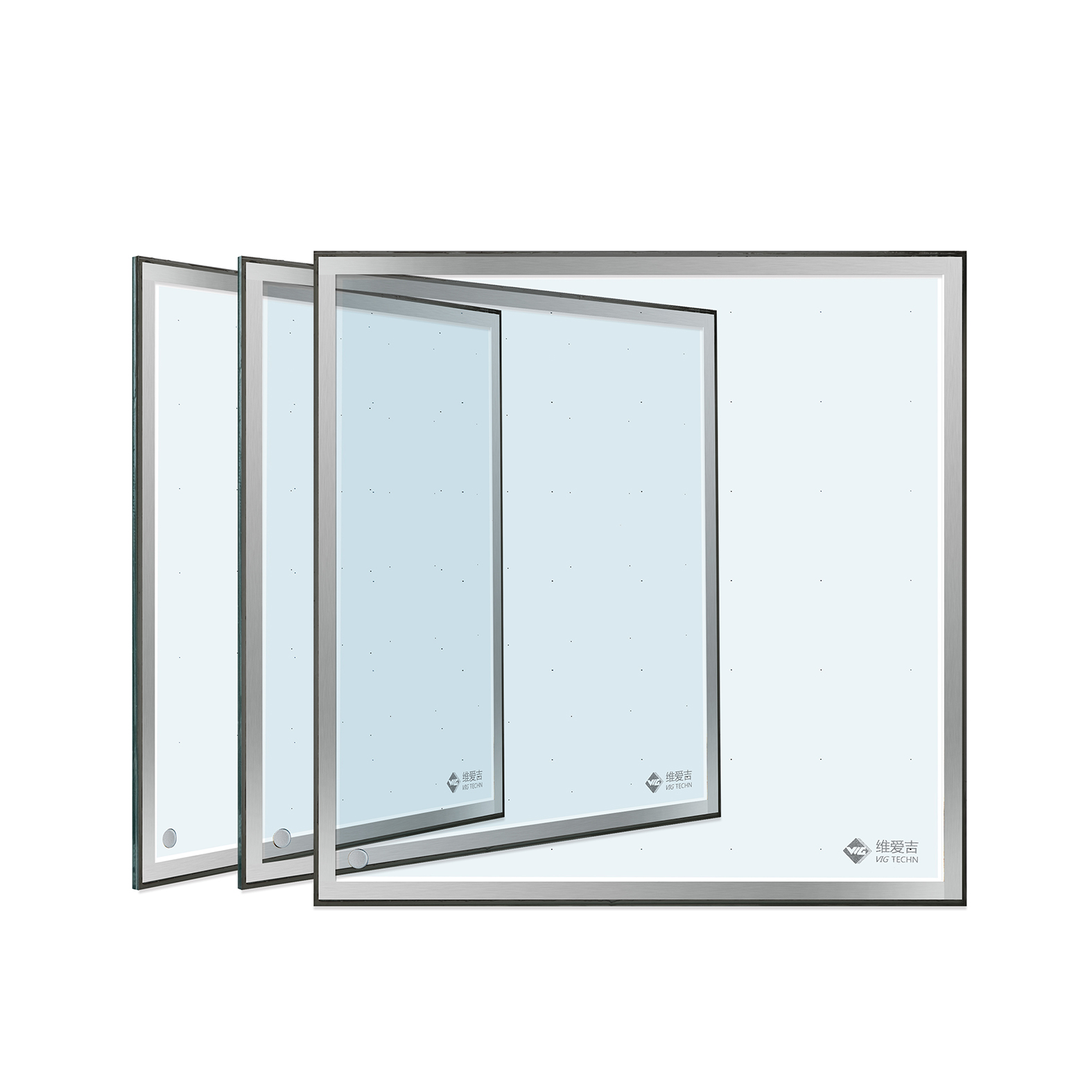
Conclusion: The SuperVIG Advantage
In summary, vacuum insulated glazing stands out as a revolutionary approach to window insulation, offering unparalleled energy efficiency and design flexibility. The most effective window insulation can be achieved through advanced VIG technology, which is ideal for contemporary architectural needs. Likewise, insulated glass windows further maximize energy conservation while enhancing aesthetic appeal. Manufacturers like SuperVIG are at the forefront of this innovation, providing supply advantages through cutting-edge production techniques and quality assurance. Their commitment to excellence ensures that both residential and commercial projects can benefit from advanced insulation technologies, offering significant long-term savings and sustainability advantages. Choosing SuperVIG translates into investing in a future-focused solution that prioritizes both comfort and environmental responsibility.