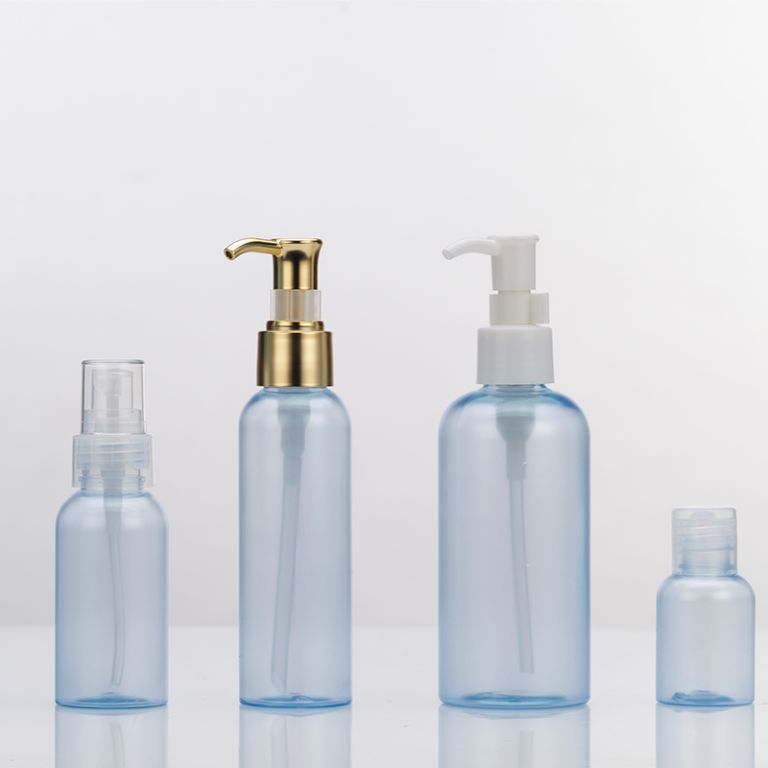
Introduction: Why small parts decide big outcomes
Here’s the quiet truth: packaging succeeds or fails in the hand. The pet pump bottle sits at the hinge of that moment—one push, one dose, one impression. In fast retail lanes and on bathroom shelves, a single misfire can undo weeks of good design. Market audits often show a double-digit share of packaging complaints tied to pump function, not the formula. So when brands consider pet pump bottles wholesale, the choice is less about price and more about trust (and how it feels in use). Are we asking the right questions about flow, seal, and fatigue—before the first shipment lands? Look up, breathe, and picture the end user. Then ask: what do they need to not think about at all?

Today, we compare what looks similar on paper but behaves very differently in real life. Let’s open the pump and see how the parts tell the story—then pick a path that holds up under pressure.
Hidden Friction in Wholesale Decisions
What’s the pain you don’t see?
When teams buy at scale, they often trust a spec sheet. Yet many issues hide between the lines. Actuator feel changes with spring rate and stroke length. Viscosity shifts how the dip tube pulls liquid and how the pre-compression behaves. Closure torque drifts during filling and causes micro-leaks, even if the neck finish matches the drawing. Over time, gasket compression sets and breaks seal memory—funny how that works, right? In short, “passes lab” can still fail in bathrooms, gyms, or shipping bins. And yes, water-thin cleaners mask flaws that creams reveal. Look, it’s simpler than you think: the pump is a system, not a part.
That’s why teams shopping for pet pump bottles wholesale run into repeat pain. One: dose drift, where 2 ml on day one becomes 1.6 ml by week six. Two: backflow and aeration, which whip bubbles into product and confuse the user. Three: creep leaks during transit, because the lock-up is weak or the liner battles heat. Add small details like dip tube angle, cut quality, and filter mesh, and the picture changes again. A smarter brief balances unit cost with lifecycle cost: fewer returns, fewer customer-service tickets, and tighter fill accuracy. Technical notes matter—neck thread standard, PP resin grade, and spring material—because each choice echoes in the hand.
Comparative Lens and What Comes Next
Real-world Impact
Old-school pumps rely on a simple spring-and-ball check. They work, but they breathe air back into the system and invite oxidation. Newer designs use pre-compression valves and tighter seal geometries, which stabilize dose accuracy across a wide viscosity band. Airless options go further by reducing headspace and protecting actives. That is the technology principle: control the fluid path, control the experience. Side by side, two pumps with “same output” feel different because friction, seal stack-up, and channel design resist flow differently. A seasoned pet pump bottle supplier will prototype with your fill, test for foaming, and tune spring force to match your gesture—not just the lab bench.
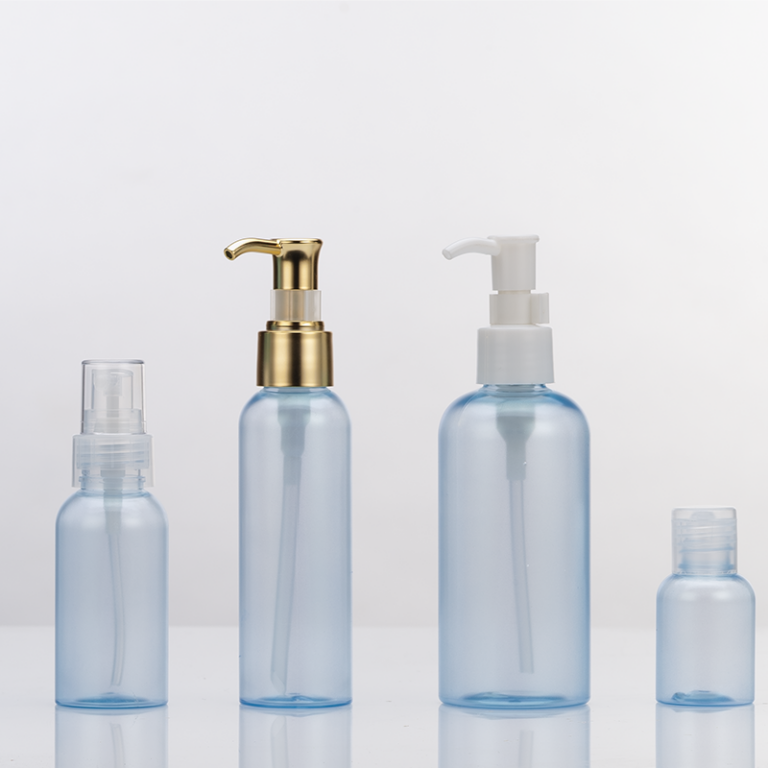
Where does this lead? Comparative pilots with three pump families, matched to your SKU range. Run e-commerce drop testing, heat/humidity cycling, and repeated-actuation fatigue to 5,000+ strokes. Watch for seal rebound, actuator wobble, and drip after-stop. Then choose by evidence. The future adds mono-material pumps for easier recycling, solvent-free colorants, and tighter tolerance molding that reduces gasket load. Small gains stack. Less waste, fewer returns, more smiles—quiet value, felt daily. And a note of grace—what the user doesn’t notice is the real win.
To close, carry three metrics as your compass: 1) Dose stability across time and temperature, 2) Seal integrity under transit and storage stress, 3) User feel—actuator force curve and clean cutoff. Hold these across pilots, not just on spec sheets. The result is a bottle that works as promised, long after launch, across seasons and shelves. For a grounded partner in that process, see NAVI Packaging.