Setting the Scene: Why Comparison Beats Guesswork
Here’s the simple truth: lighting choices shape how people feel, focus, and buy. A pendant light supplier sits at the center of that decision, and the stakes are bigger than most teams expect. Picture a café owner updating a busy corner bar; the fixtures look good in the catalog, but the mix of dimmers, drivers, and ceiling heights in the real space is messy. In project walk-throughs across Latin America, teams often find wasted lumen output and jittery dimming because the system was never compared side-by-side with alternatives (oye, it happens). If a supplier can’t align driver specs, CRI, and installation constraints, the project pays—sometimes for years. So, what’s the smarter way to choose, and how do you compare without getting lost in jargon?
Let’s map the choices, then test them against how 5-light systems behave in the wild—funny how that works, right?
Hidden Friction with 5-Light Pendants (and How to Spot It Early)
Where do users actually struggle?
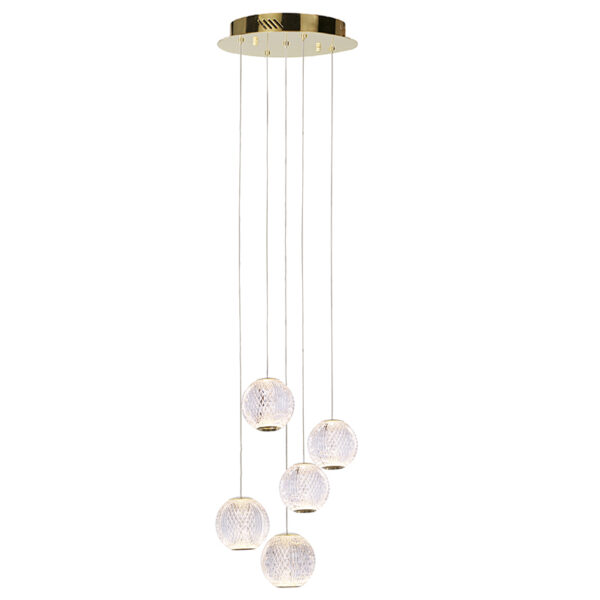
Start with the centerpiece: a 5 light pendant light. It looks balanced on paper, but the real pain points hide in the ceiling box and the driver stack. Technical note: five pendants multiply load variability on the dimming curve, so TRIAC dimmers and low-quality power converters often cause flicker at low levels. That flicker may be invisible in daylight yet obvious at night—y sí, clients notice. Then comes color: if CCT bins drift or the SDCM isn’t tight, one head looks “warmer” than the others. Add a compact canopy with poor thermal management and you get heat soak, reduced driver life, and uneven lumen output. Look, it’s simpler than you think: problems start when spec sheets don’t speak to each other.
Mounting is another quiet trap. A clustered 5-light rig needs thoughtful cable strain relief and a canopy with real space for connectors. If the supplier skips pre-terminated harnessing, installers improvise. That’s when EMI noise, loose terminations, and wobble creep in. Ask about CRI consistency, L70 lifetime, and power factor across dimming ranges—not just at 100%. Also check optic diffusers: a narrow beam can create overlapping glare cones on glossy tables, while a microprismatic lens cuts UGR and smooths the pool of light. One more thing—serviceability. If one head fails, can you swap a driver module without dropping the whole array?
Toward Better Systems: Principles That Make Adjustable Pendants Work
What’s Next
Now compare where we’ve been to where we’re going. New driver platforms with NFC programming let suppliers match constant-current output to each head, keeping dimming synchronized—no stutter at 5%. Pair that with high power factor and ripple suppression, and you protect eyes and video shoots alike. Warm-dim or tunable white keeps mood flexible without sacrificing CRI. And when the canopy uses a proper heat sink and tidy cable routing, maintenance becomes routine, not a nightmare. In other words, the right “adjustable” is more than height play; it’s an electrical and optical system that behaves under stress—funny how small design choices become big wins.
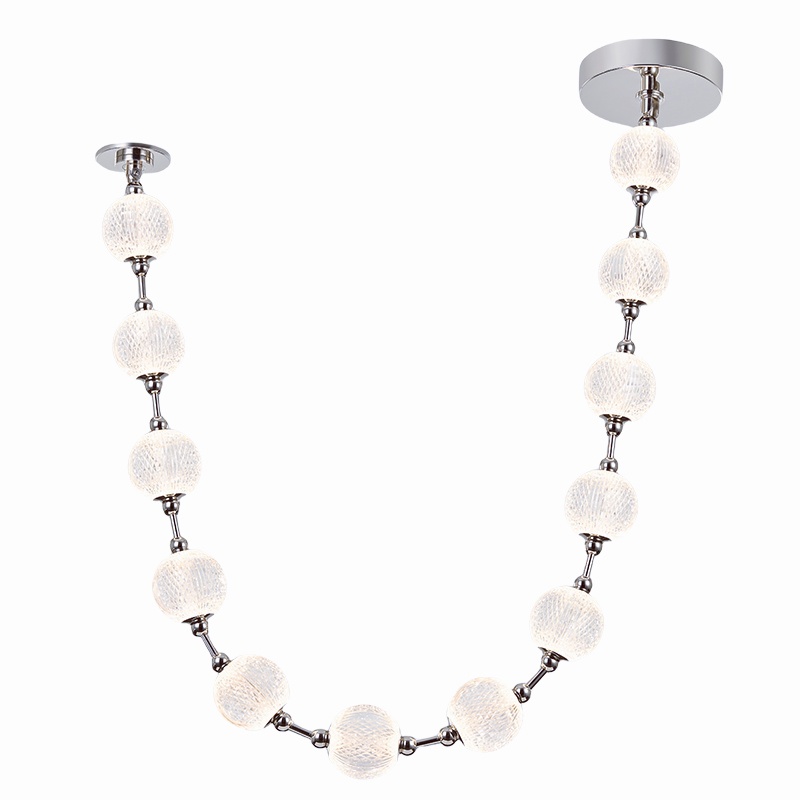
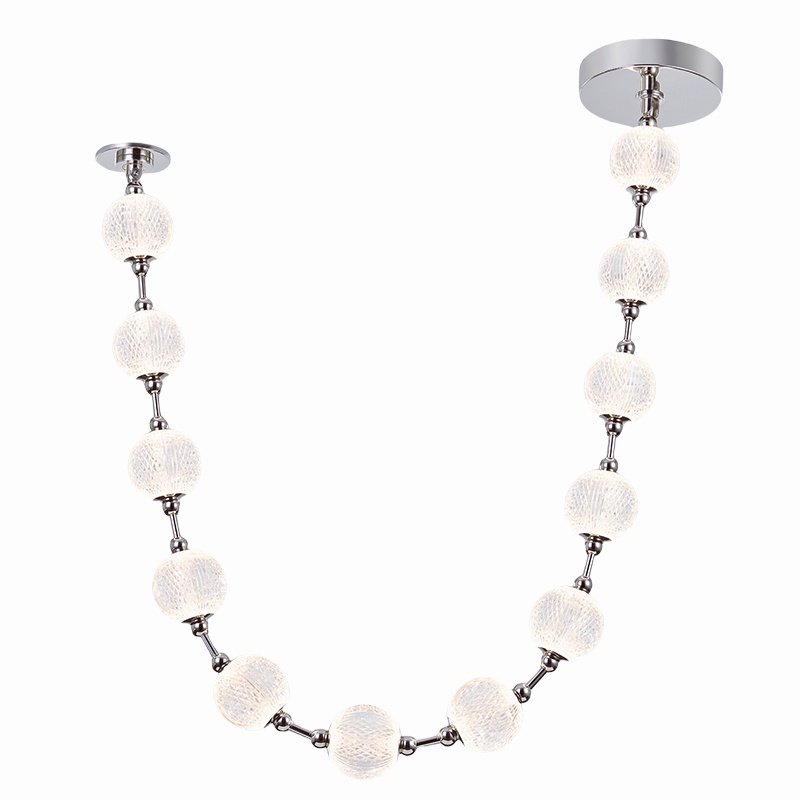
That’s why an adjustable ceiling pendant light should be judged on its principles, not just looks. Ask if the suspension carries power cleanly or if extra conductors crowd the canopy. Look for DALI-2 or smooth phase-cut compatibility, consistent CCT across heads, and a diffuser that controls glare at seated angles. Semi-formal takeaway: spec alignment across driver, optic, and mount equals predictable installs. We covered the pain points; now we aim forward with a clear checklist—because comparison, done right, saves rework and keeps the space feeling calm.
Advisory close—three metrics to guide your choice: 1) Color stability: CRI ≥90 and SDCM ≤3 across all heads over time. 2) Electrical quality: driver MTBF, power factor ≥0.9, and low ripple at dim levels. 3) Mechanical range: verified adjustability span with solid strain relief and a canopy that dissipates heat. For deeper specs and real-world options, see kinglong.