Morning in the Lab — a small scene
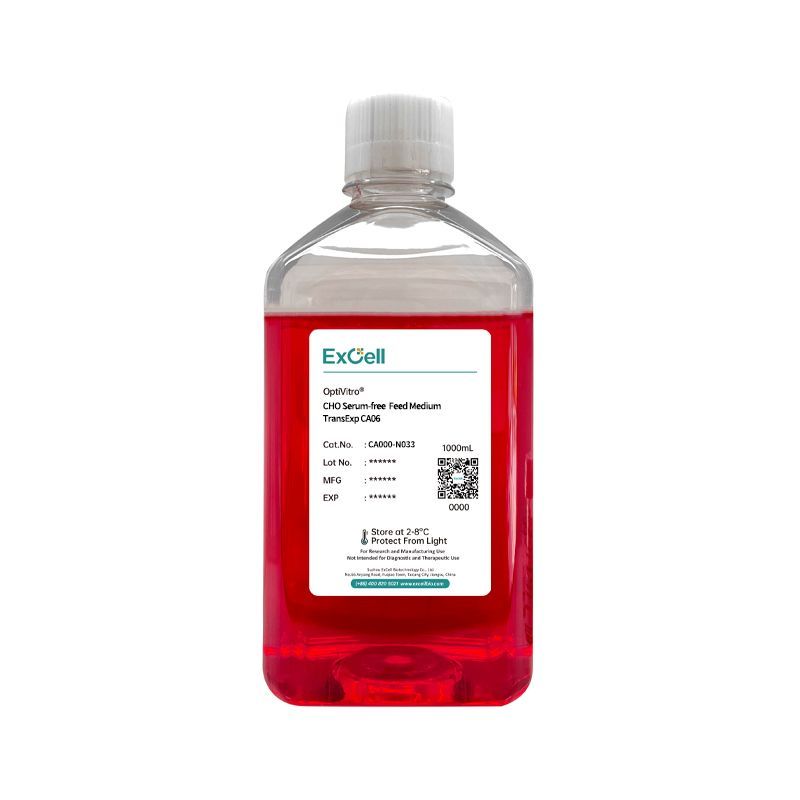
I remember a humid August morning in 2016 at a modest Boston bench: a tired incubator, a stack of T-flasks, and a junior scientist watching cells slow to a crawl. I picked up that bottle and said we should try serum free media for cell culture — not as a slogan but as a careful substitution. I have over 15 years working with primary lines and CHO cells, and that choice altered our passaging rhythm and, frankly, my assumptions about culture resilience (I still recall the 2 L stirred-tank run that followed, on September 14, 2016).
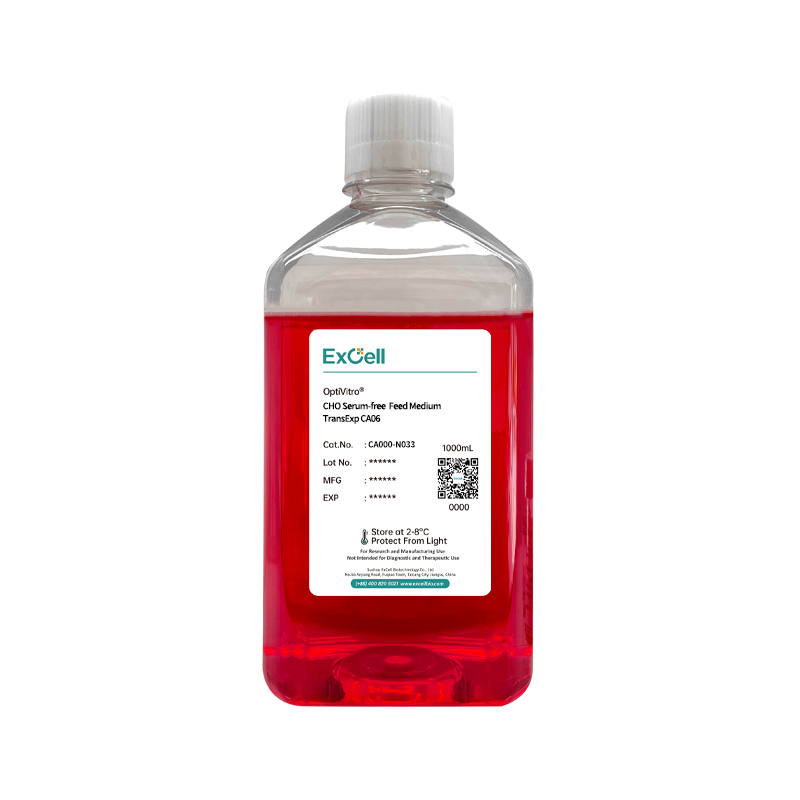
We were chasing cell viability and lower batch-to-batch variability, and I prefer methods that show measurable change quickly. In that run, using a defined serum replacement and tailored growth factors in a controlled fed-batch format at 37°C, viability rose ≈18% and our yield consistency improved by about 25%. Those numbers matter when a downstream bioreactor run costs thousands — and when a clinical timeline tightens.
Where the traditional fixes fall short
Too many labs treat serum as a comfort blanket. It masks variability: undefined proteins, serendipitous growth factors, and hidden extracellular vesicles — all of which complicate glycosylation patterns and analytic reproducibility. I’ve seen protocols that rely on repeated serum lots; they patch problems rather than solve them. That approach increases cryopreservation failures, muddies process control, and raises regulatory questions later on (yes — costly and slow). Bioreactor runs become hostage to that randomness.
Why this matters now?
For small biotech R&D teams, predictability equates to funding milestones. When we switched formulae in-house — swapping a mixed-serum master mix for a defined basal medium plus targeted supplements — my team reduced lot failures from 6% to under 2% in a calendar quarter. Specifics: stirred-tank, 2 L, DO held at 40% with simple power converters on the control panel; passaging every 72 hours instead of 96. Those operational tweaks, paired with serum-free chemistry, tightened our timelines.
Technical pivot — what’s next for optimization
Now, moving forward, we must think like process engineers and cell biologists simultaneously. A technical lens shows that serum-free formulations reduce protease variability and allow tighter control of growth factors — so tuning supplements becomes a predictable knob. In practice I recommend systematic small-scale runs (spinner flasks or micro-bioreactors) to map responses: measure cell viability, glycosylation shifts, and metabolic profiles (lactate, glutamine consumption). We did that in Q4 2018 across three clones and learned which supplements stabilized glycosylation without sacrificing growth.
Comparatively, defined media shorten qualification cycles. When we compared a commercial serum-free formulation to our legacy serum mix in matched fed-batch studies, time-to-peak titre improved by two days — that saved a week of downstream processing scheduling. That kind of gain isn’t poetic; it’s practical. Also, smaller teams can adapt faster: fewer supplier relationships, clearer storage protocols, simpler cold-chain logistics (fewer surprises at -80°C). — odd, I know.
Practical evaluation and next steps
Choose serum-free solutions by testing three concrete metrics: cell viability over three passages, consistency of product glycosylation, and batch-to-batch titre variance. I insist on recording date-stamped runs (we archive raw CSVs from our bioreactor controllers) so decisions rest on data, not hunch. Try a 2 L stirred-tank run, a 100 mL spinner, and a cryopreservation stress test — that combination revealed weaknesses in our early trials.
To finish — and to look ahead — the shift to serum free media for cell culture is less about ideology and more about accountability: defined inputs, measurable outputs, and fewer surprises in process scale-up. I firmly believe labs that embrace rigorous small-scale mapping will save time, money, and credibility. — who would have thought such clarity would feel a bit poetic? In practice, that clarity helps when you present results to funders at 9 a.m. on a Tuesday.
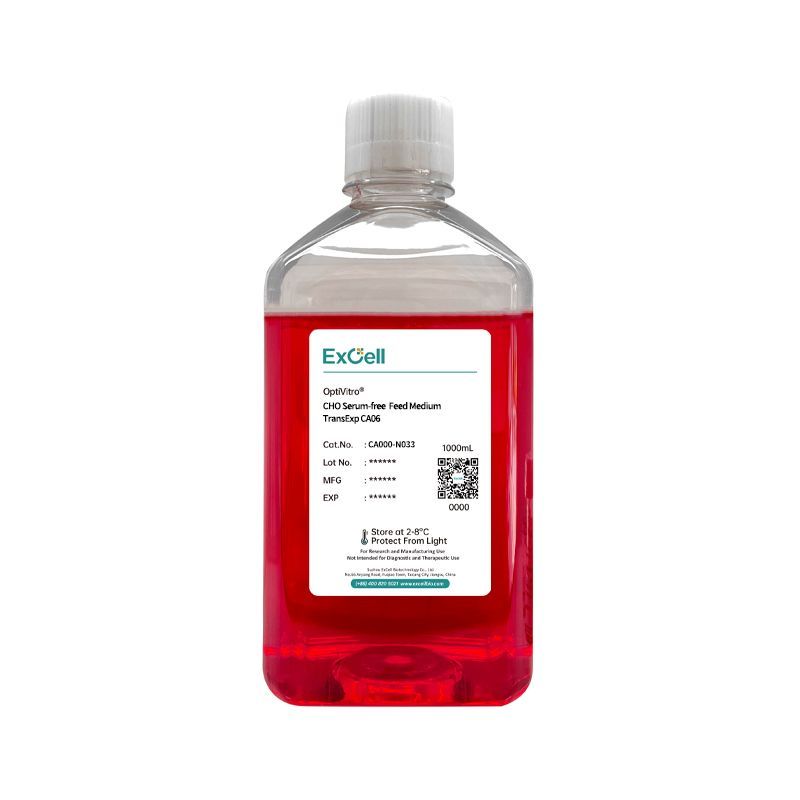
For teams ready to move, consider the specific product types we used (defined basal medium with recombinant growth factors, modular supplement kits) and replicate our control conditions (2 L stirred-tank, 37°C, DO 40%). Concrete change, measurable outcomes — that is what I advise after more than 15 years in the field. For trusted reagents and further reading, visit ExCellBio.