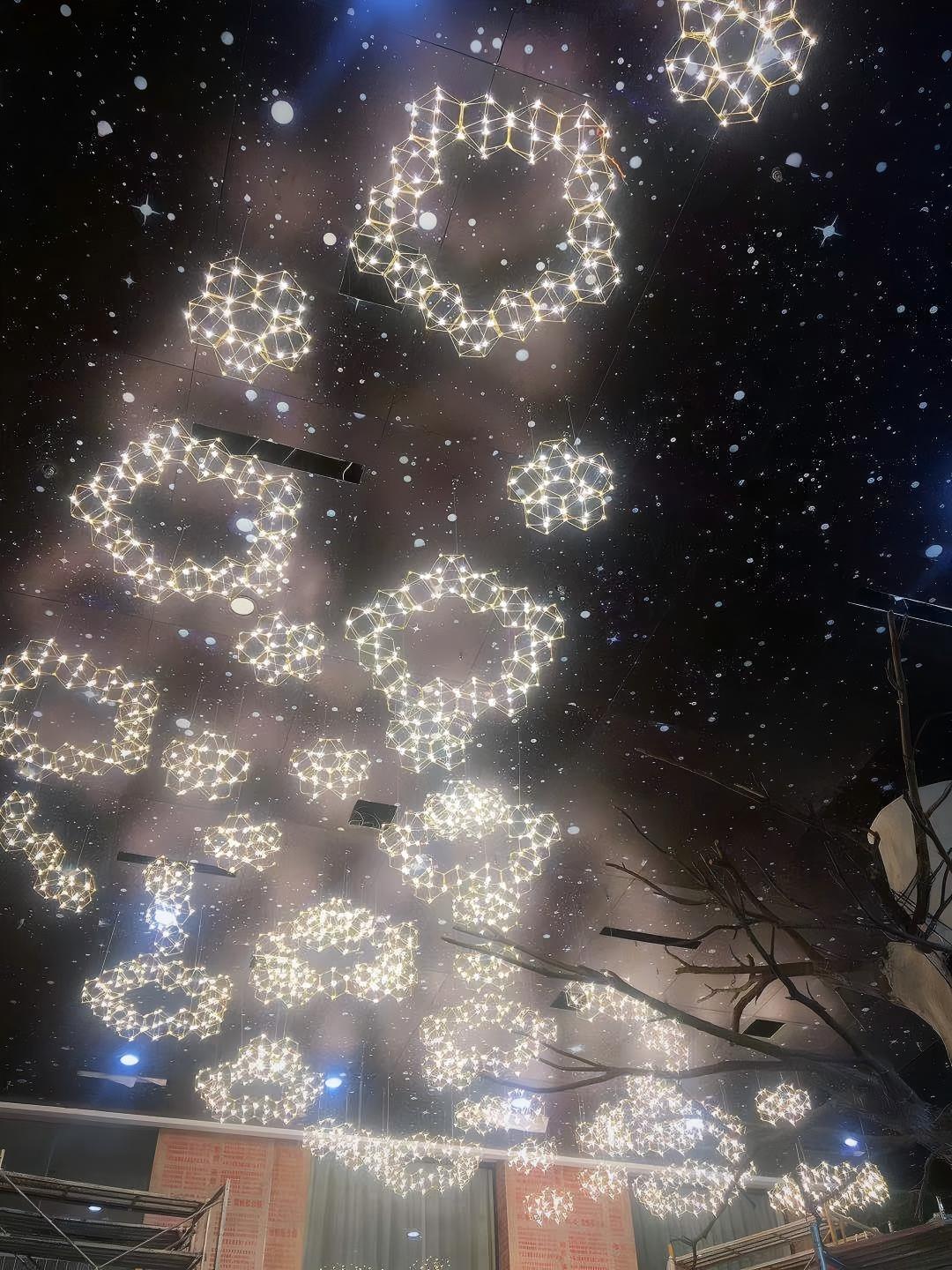
Intro: When the Room Talks Back
Lighting makes or breaks the room. Period. A bespoke lighting company knows this isn’t decor—it’s system design in plain clothes. Picture a SoHo loft: concrete floors, brick walls, big windows. You drop in a bespoke chandelier, and bang—the energy flips. Not hype; data backs it. Studies show lighting touches comfort, attention, and even dwell time. Meanwhile, bad setups waste power through cheap drivers and weak optics, which can tank lumens per watt and burn cash. In older builds, power converters hum, glare spikes, and CRI dips below 80. You see the space, but you don’t feel it—funny how that works, right?
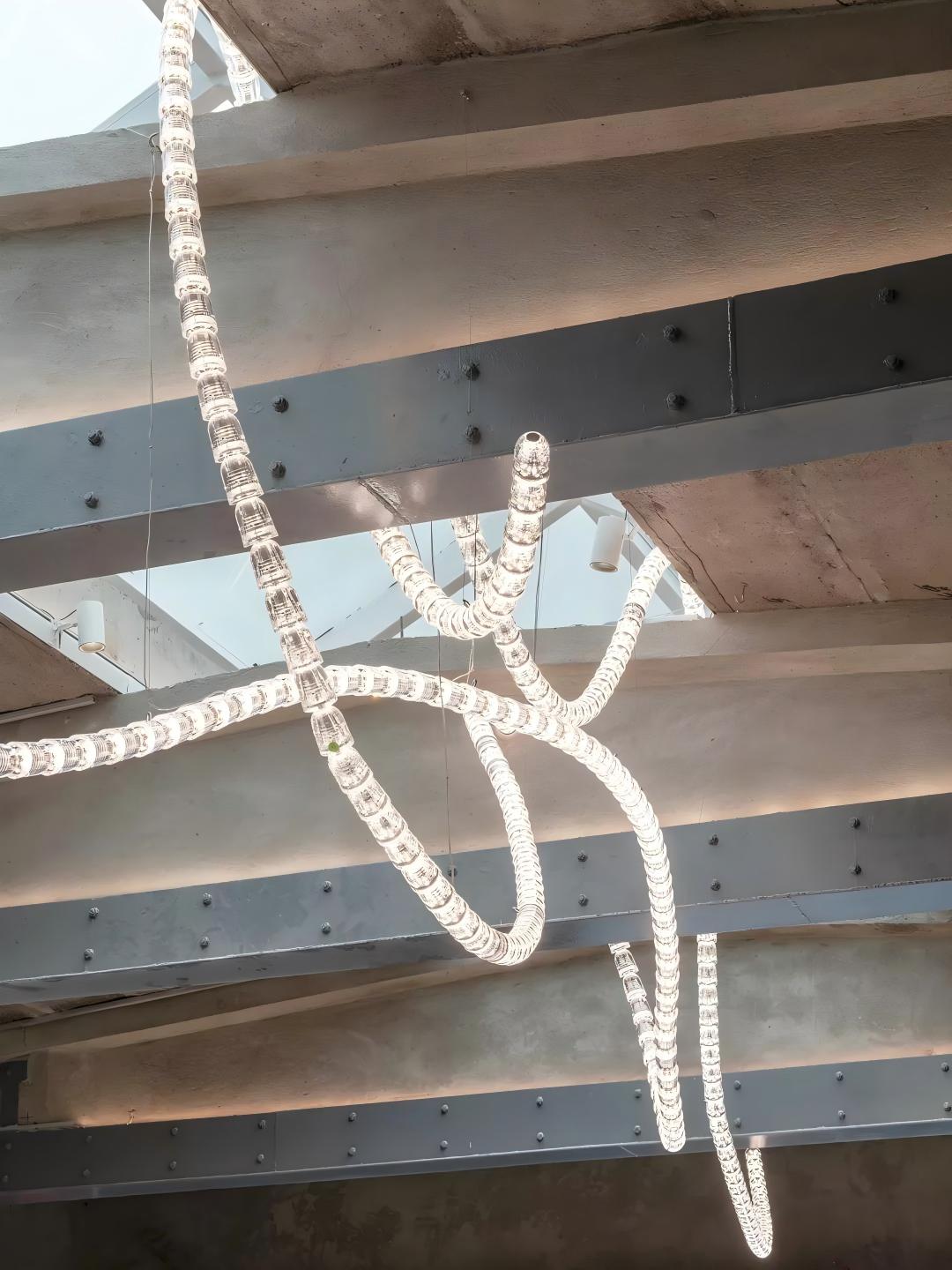
So here’s the real play: what’s the gap between a fixture that looks good on the ‘Gram and one that makes the room breathe? And why do so many projects stall at the last 10%—aiming, dimming curves, DMX zones—where the vibe is set? (We’ve all been in that too-bright lobby.) The question is simple: are you choosing lighting, or choosing control over mood and flow? Let’s move where it counts next.
Why Traditional Chandeliers Miss the Mark
What’s the hidden friction?
Off‑the‑shelf chandeliers were made for averages. Spaces aren’t average. They ignore ceiling height, reflectance, and path of travel. That’s why you get hotspots and shadows. With a bespoke chandelier, the layout starts with photometrics, so output, beam spread, and CRI align with how people live the room. Cheap builds push low-grade drivers and noisy power converters, which kill dimming smoothness and color stability. You feel that flicker, even if you don’t see it. Look, it’s simpler than you think: if lumens don’t land where they’re needed, the room feels off.
Then there’s control. Many legacy fixtures can’t play nice with DMX or DALI. No scene recall. No fine-grain fades. Maintenance? Rough. Heat sinks run hot, finishes yellow, and replacements don’t match. The hidden pain point is time—every service call drags. A custom spec solves this with modular drivers, better thermal management, and clean wiring paths—funny how that works, right? You end up paying less in headaches and more in consistency.
Comparative Edge: New Tech That Lifts the Ceiling
What’s Next
Here’s where it flips. New modeling tools let designers parametrize form and spread, then simulate in 3D before a single cut. That means fewer guesses and tighter installs. Good bespoke lighting manufacturers share IES files, CRI plots, and power factor data, so you see what you’ll get. DMX512 or DALI integration lets you map scenes by task, time, or vibe. Morning boost. Dinner warm-up. Gallery-grade neutral. And because drivers are modular, you can service from below the canopy—no circus act on a ladder.
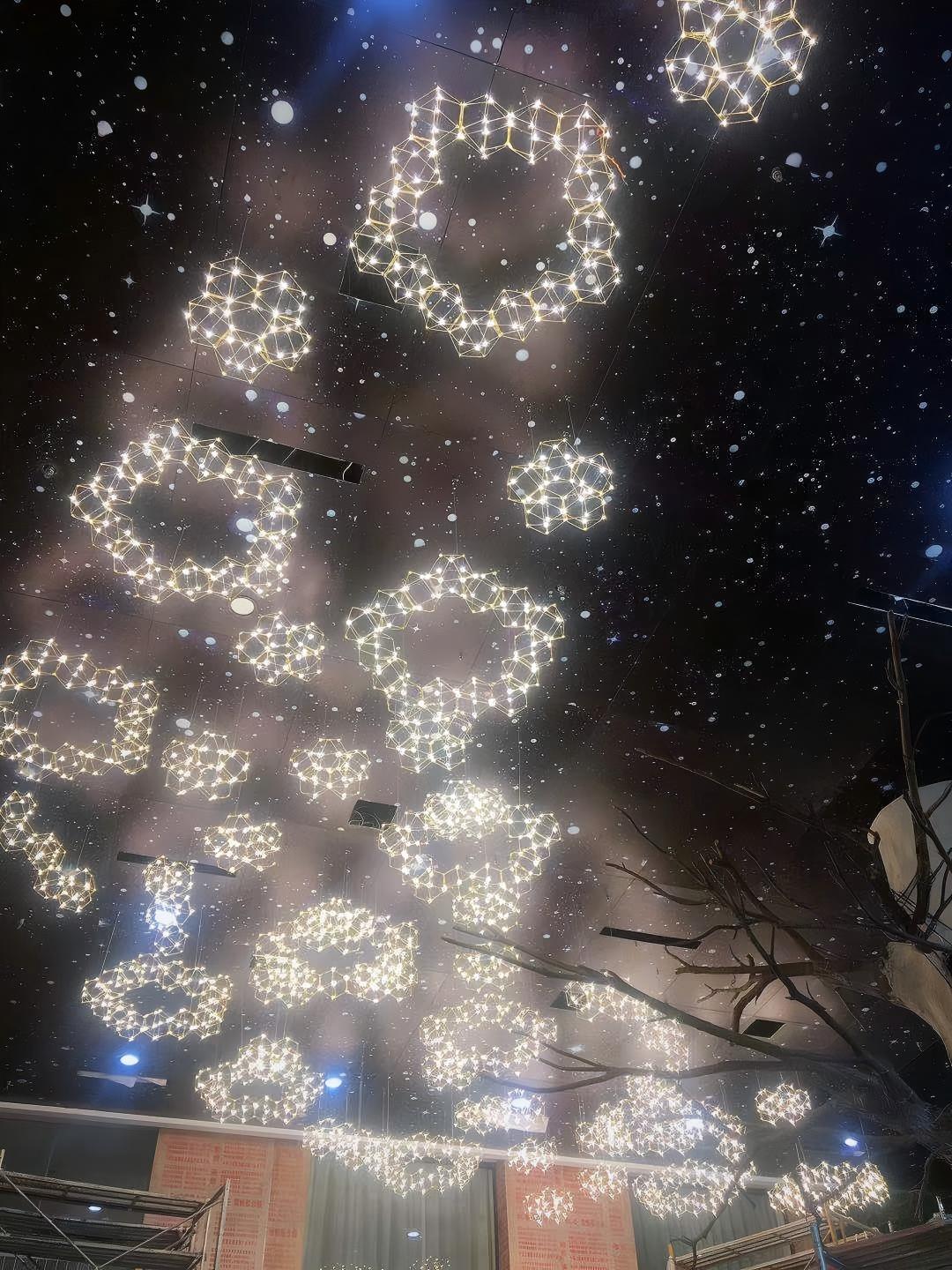
Materials are smarter too. Diffusers tuned to cut glare. Finishes that hold tone under heat. Higher IP ratings for kitchens and spa zones. In hospitality, we’ve seen dwell time bump when color temp shifts with daylight—small change, big coin. Residential buyers notice the silence as much as the shine; no buzz, no jitter. Compared to standard kits, custom rigs ship with tested harnesses and clear labeling—installers move faster, and punch lists shrink. The vibe stays tight—and the bills stay lighter.
How to Choose Without Guesswork
Let’s keep it practical and forward. Compare options with three clean metrics, and you won’t miss.
– Performance clarity: Ask for photometric reports, CRI ≥90, and lumens per watt over 100 LPW at your target color temp. Check dimming curves for smooth low-end with your control protocol.
– System integrity: Confirm driver brand, service access, and thermal design. Look for DALI or DMX readiness, plus scene recall. Request a wiring diagram before sign-off.
– Lifecycle math: Verify finish durability, replacement part lead times, and warranty terms that cover drivers and optics. Time is money; fewer service calls mean a calmer space (and happier weekends).
Bottom line, pick the fixture that respects how people move, pause, and share the room. The tech is there, the data is clear, and the install can be clean. New York or not, the room deserves control, not chaos. And if you want a steady reference point in a loud market, keep an eye on kinglong.