Why Comparing Factories Beats Guesswork
Smart buyers compare; they do not guess. You plan a new entryway line for peak season, and stock must land before holidays. You speak with a shoe cabinet manufacturer and see a tempting price. Industry data shows furniture returns can hit 5–7% if QC slips, and lead times swing 20–30% with raw material shocks. Many buyers turn to shoe cabinet manufacturers in china because capacity is strong and tooling is fast. But which partner protects your margin and brand—really? (mai pen rai, but numbers matter.)
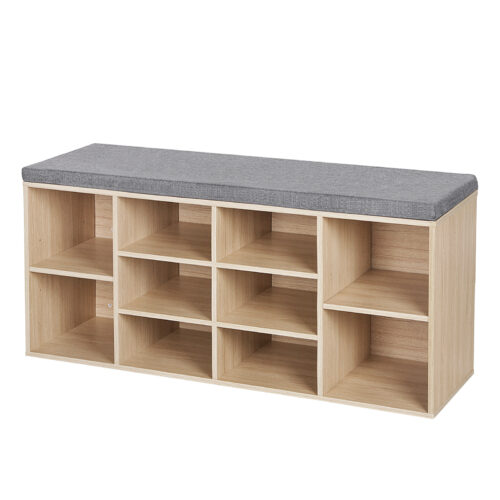
Let’s set a simple scene: two quotes look similar, but one uses E1 MDF with sealed edges and the other uses low-cost particleboard with weak melamine. One runs powder coating on steel frames; the other air-sprays with higher VOC emissions. CNC drilling tolerances differ, so assembly time per unit changes on your side. The gap? It shows later, inside carton drop tests and complaint tickets—funny how that works, right? So the real question is this: How do we compare factories on more than price, and pick the one that will hit spec without drama. Let’s walk step by step, na krub, into the deeper issues that buyers often miss, then move forward to what’s next in process tech.
The Hidden Gaps in “Good Enough” Sourcing
Where do simple quotes fall short?
On paper, a cabinet is a box with doors and shelves. In practice, user pain points hide in small things. Edge banding that peels when humidity hits 70%. Hinges that fail before 30,000 open/close cycles. Shelves that bow at 25 kg when you need a 35 kg load-bearing rating. Traditional sourcing checks price, finish color, and carton size. But it skips hinge cycle tests, moisture content (keep wood at 8–12%), and anti-tip kits for safety standards. Cold-rolled steel rails may look the same, yet the salt spray test result can differ by 2–3x. Look, it’s simpler than you think: the bill of materials and the lab reports tell the true story.
Then there is the logistics math. A cabinet that assembles in 12 minutes vs. 20 changes labor cost in your DC. A carton that passes 1.2 m drop without corner crush reduces replacements. And yes, MOQ and SKU complexity impact your working capital. The old fix—“just send more spare parts”—masks root cause. Without SPC on drilling and dowel alignment, your returns climb. Without controlled melamine thickness and proper UV edge sealing, surfaces chip during packout. The pain is hidden until the reviews roll in. That is why comparing factories by test data, not only pretty samples, becomes the real edge.
What’s Next: Technology Shifts That Change the Comparison
Forward-looking buyers measure process, not promises. The new baseline: laser edge-banding for stronger bonds, automated hinge insertion to reduce tolerance errors, and powder coating lines tuned for consistent microns per pass. Some plants now run barcode traceability from panel cut to final pack, tying each unit to a batch record. It sounds technical, but it protects you when a defect appears—root cause in hours, not weeks. Digital QC with photo checkpoints, plus SPC dashboards on drilling offsets, lowers variance. When you ask a shoe cabinets supplier for process capability indices (like Cp/Cpk on key holes), you learn if their stability is real or only nice talk.
We also see container-level controls. Desiccant planning and IoT humidity loggers cut warp risk during ocean transit. Flat-pack optimization boosts pack rate per CBM—your freight math gets happier. Factories that run ERP-integrated MRP handle sudden pull-ins better, because raw board, PVC edge tape, and hardware are planned by demand, not hope. Compare them side by side: one plant that documents a 0.8% rework rate and 98.5% on-time, versus another that “will try our best.” The future belongs to transparent data and stable fixtures—because repeatability beats heroics on rush orders.
How to Choose: Three Metrics That Keep You Safe
Let’s close with an advisory lens—clear, measurable, and repeatable. First, Quality Proof: demand lab results for hinge cycle test, load-bearing, VOC, and carton drop; verify SPC charts for drilling and cam-fit tolerances. Second, Process Control: ask for documented SOPs, machine lists (edge-bander type, CNC router brand), maintenance logs, and audit a live line changeover; track Cp/Cpk on critical dimensions. Third, Total Cost to Serve: model assembly minutes, spare-part rate, freight CBM, and expected return rate; compare two-year warranty exposure. Small improvements here compound— and yes, they add up.
When you compare on these metrics, the “cheapest” quote often shifts once all hidden costs surface. You gain predictable launches, fewer returns, and steadier margins. People first, process always, price last. That feels like the right order for teams who must sleep well before a big season. For deeper sourcing insight without hype, you can reference partners who share data and improve month by month, like SONGMICS HOME B2B.