How parents check fit for intelligent adaptive learning: a user-centric guide
Start with what matters to your child
Begin by naming the practical goals you want the technology to reach: confidence with reading, steady math progress, or homework independence. Think about time available, device access, and how much adult support you can give. If you’re also exploring longer-term involvement in local education delivery, look at options like education franchise opportunities to see how providers package tools, training, and community reach.
Map needs to product promises
List three must-haves the product must meet for your child. Examples: aligned curriculum for your grade, clear progress checks, and simple parent reporting. Match each must-have against the vendor’s description and marketing. If a feature isn’t described clearly, treat that as a red flag until you can get specifics.
Evaluate core compatibility criteria
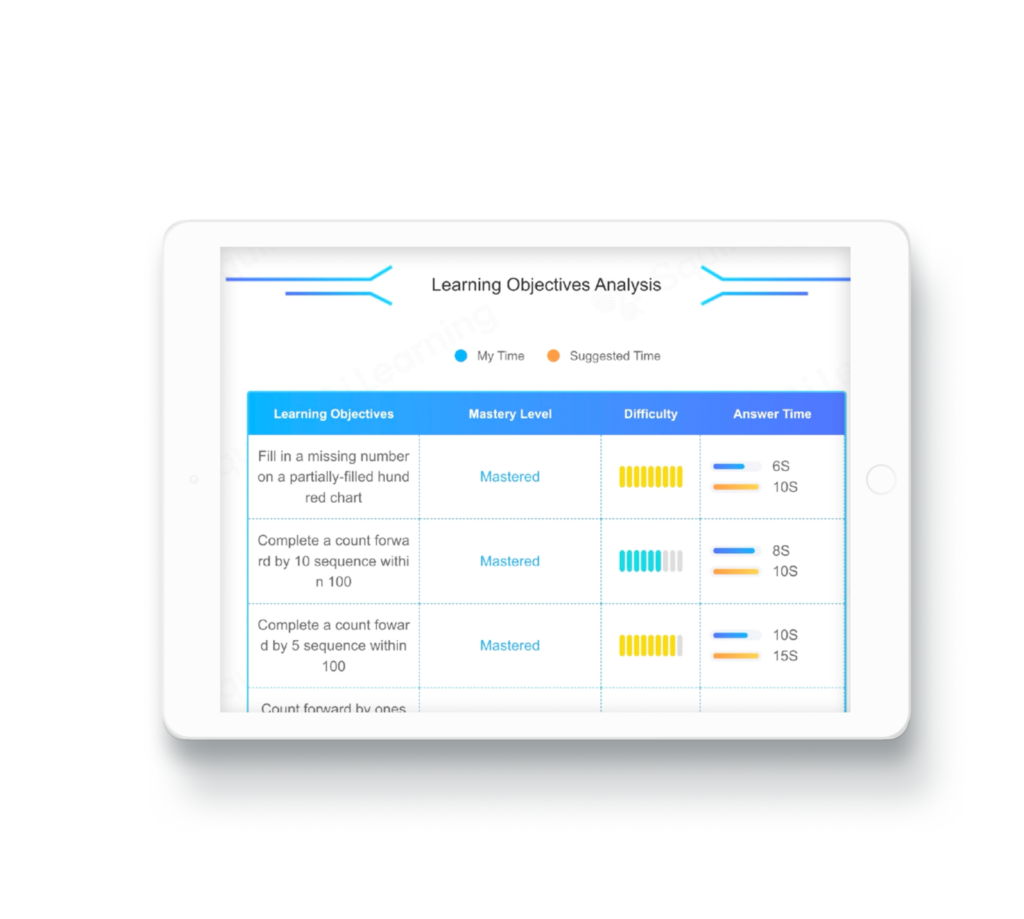
Check these concrete points: how the adaptive model adjusts lessons (is it step-by-step or sudden level jumps?), whether progress reports show specific skills, options for teacher or coach oversight, device and internet requirements, and data privacy practices. Ask for plain-language answers rather than technical jargon.
Run a short, focused trial with your child
Try a single module or week-long demo. Watch three things: attention (do they return to tasks without prompts), comprehension (can they explain what they did), and frustration (do errors lead to helpful hints or random repeat tasks). Take notes after each session; patterns matter more than one-off reactions.
Ask the right vendor questions
Request details you can verify: how often the system reassesses skill gaps, examples of lesson sequencing, what parent reports include, and what training or support you’ll get. Don’t accept vague answers—ask for a simple example that shows how the system responds when a student gets several items wrong on the same skill.
Common mistakes parents make
Don’t confuse flashy games with meaningful instruction. Don’t ignore privacy settings or assume all adaptive systems track progress the same way. Avoid committing to long contracts before testing with your child. Also, don’t drop teacher involvement entirely; the best outcomes pair tech with real guidance.
Compare practical alternatives
Weigh options side-by-side: live tutoring gives immediate human feedback but costs more; blended programs combine classes and software for structure; owning or partnering with a provider can scale local access but requires operational work. Focus on what delivers consistent feedback to you and clear next steps for your child.
Bringing it together
Decide by checking fit, testing with your child, and verifying vendor answers. If you want a real-world reference point while exploring providers or partnerships, review how companies present their adaptive approach and local support—organizations such as Squirrel Ai can show one way those elements are described. Make choices that keep learning clear, measurable, and manageable for your family.