Start with the trade-offs that actually matter
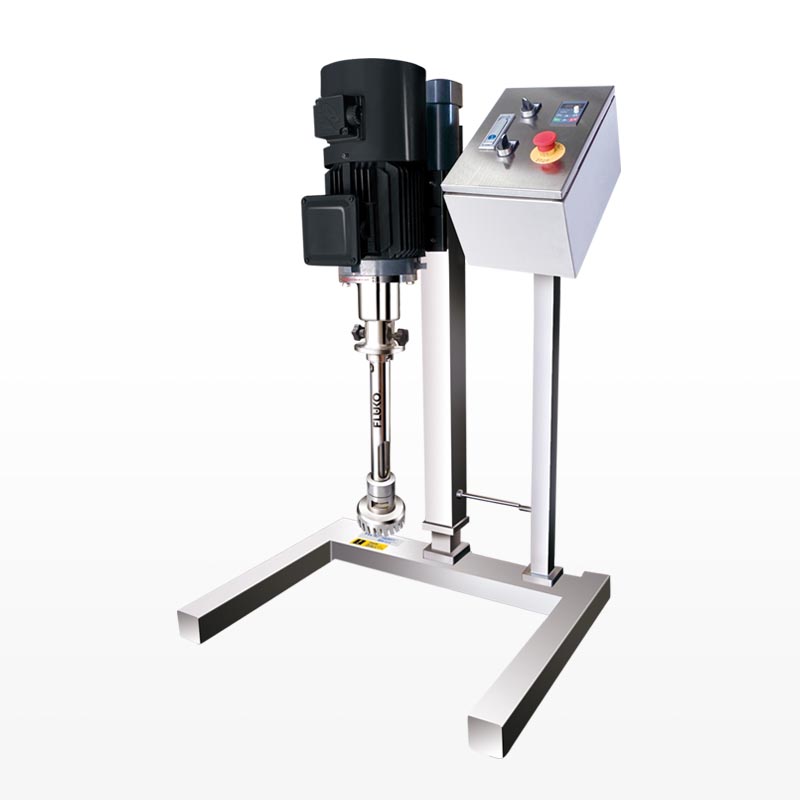
Picking a supplier means balancing three things: what the machine does, how quickly you can get it, and who fixes it when it breaks. If you care about consistent droplet size or fast batch turnover, compare lab-scale proof to full-scale delivery and don’t skip hands-on trials with an inline high shear mixer early—results in a pilot run tell you more than glossy datasheets.
Performance metrics that decide outcomes
Look for measurable specs, not marketing. Ask for shear rate ranges, rotor–stator geometry, maximum solids load, and validated throughput at target viscosity. Request real test curves showing particle or droplet distribution at different speeds. A supplier who provides replicated test reports and on-site demo data makes scale-up less guesswork.
Design and materials: serviceability beats flash
Stainless grade, seal type, and access panels determine maintenance time. Sanitary clamps and drainability matter for food and pharma; PTFE or mechanical seals matter for abrasive or solvent systems. Check whether the mixer head can be removed without cutting pipework—fast changeouts save hours on maintenance.
Support, spare parts, and lead times
Compare spare-part lists and guaranteed lead times. Suppliers who stock critical rotor–stator sets locally reduce downtime. Ask about training, phone support hours, and whether they document typical repair steps. A slow spare part or a single-service engineer adds hidden cost that stacks up faster than price per unit.
Controls, integration, and data
Beyond on/off and speed, check for speed control resolution, torque feedback, and process alarms. Integration with your PLC and historian should be straightforward—look for standard protocols (Modbus, ProfiNet). If you want repeatability, demand recipe-capable control and recorded run data from the supplier’s systems.
True cost is lifetime cost
Compare capital cost against expected maintenance intervals, energy consumption at process RPM, and parts replacement prices. A cheap head that wears out fast costs more than a robust design. Do a two- to five-year running estimate—include scheduled downtime for maintenance and typical spare consumption.
Common mistakes teams make
They over-spec for power, assuming more RPM solves everything; they ignore viscosity curves and test only with water-like fluids; they accept a generic warranty without service-level commitments. Avoid buying to a maximum spec instead of your product’s operating window, and insist on trial data that matches your formulation.
Experience, authority, and a concrete industry anchor
I’ve helped R&D and production teams pick mixers for over a decade, and that practical work shows through supplier comparisons. Major trade shows like ACHEMA in Frankfurt bring suppliers and real equipment side-by-side—seeing similar machines run under different formulations reveals how designs behave beyond specs. For hands-on reference, inspect an inline homogenizer mixer on test benches or at pilot sites before you sign a purchase order; that single trial cuts uncertainty more than any spec sheet.
How options stack up and what to choose
Compare suppliers by test data, spare-part strategy, and real-world service responsiveness. Favor vendors that share reproducible results, offer sensible spare inventories, and let you run your product on their equipment. That balance is exactly what you’ll find at FLUKO.