Problem statement: fragile prototypes, exposed risk
Prototypes that pass CAD checks but fail in production create a threat vector for product schedules, cost, and reputation. Teams discover flaws late: flash, sink marks, warpage, and unexpected tolerances that break validation gates. Tight timelines and dispersed suppliers widen the attack surface; mitigate by engaging reliable partners early and by specifying robust trial plans with custom injection molding services when the design moves beyond single-piece prototyping.
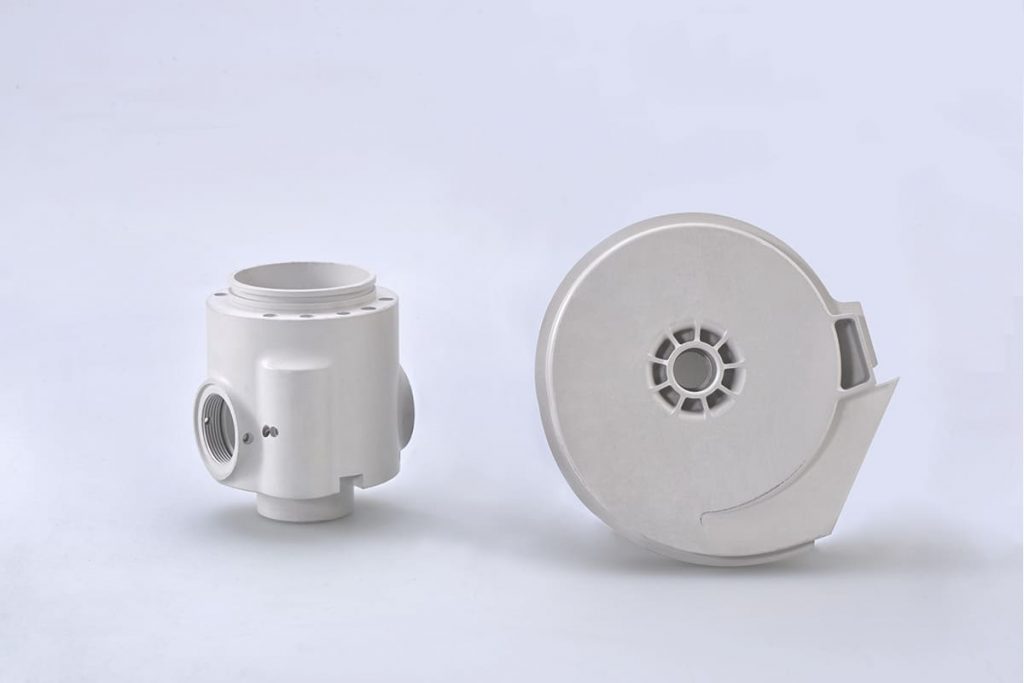
Where prototypes commonly fail
Most failures trace to three observable symptoms: dimensional drift, surface defects, and inconsistent mechanical properties. Dimensional drift shows up as parts out of tolerance after thermal cycles. Surface defects—short shots, weld lines, or excessive flash—signal mold or process issues. Mechanical inconsistency often stems from material batches or improper gate and wall-thickness design. Treat each symptom as an incident to be triaged, not as a one-off manufacturing hiccup.
Root causes and risk vectors
Root causes cluster around design-to-process mismatches and control gaps. Designers may ignore draft angles or thin ribs that magnify shear and create stress concentrators. Suppliers can vary resin lot properties or hold different drying procedures. Process parameters—melt temperature, injection speed, packing profile—amplify small design errors into part-level failures. Uncontrolled tool wear and insufficient mold vents add variability. Map these vectors and assign ownership for each before volume runs.
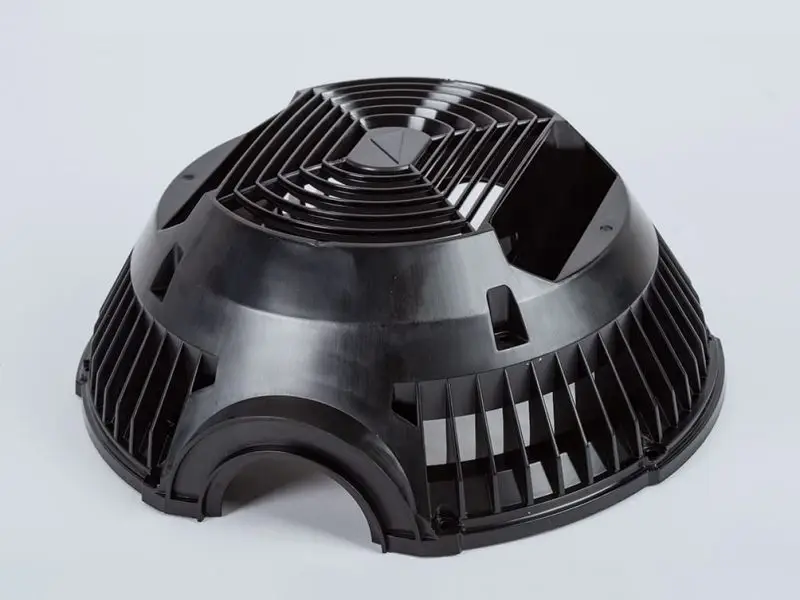
Prioritized mitigations (practical, technical)
Prioritize actions by impact and ease of verification. First, run a moldflow analysis and correct gate locations and wall thicknesses. Second, require material certifications and perform short-run validation with full process parameters. Third, define first-article inspections with clear acceptance criteria and statistical sampling. Use control charts for critical dimensions and monitor Cp/Cpk during pilot runs. Update CAD with mold-related notes; treat the mold as firmware that must be iterated against actual cycle data.
Experience, authority, and a real-world anchor
Teams with repeated wins apply disciplined validation: standard operating checks, mold maintenance logs, and documented change control. This approach matches observations from manufacturing clusters such as the Shenzhen manufacturing hub, where rapid iteration cycles expose the cost of skipping pilot validation—an effect documented in trade reports and technical reviews. For budget planning and vendor comparison, request a formal injection molding quote tied to a defined sample plan; that single document reduces ambiguity between design intent and production reality.
Alternatives and common mistakes
Evaluate CNC machining, stereolithography, and urethane casting as alternatives for low-volume needs. CNC gives tight dimensions but higher per-piece cost; SLA can show detail but differs in material properties from production resins. Common mistakes include trusting a single prototype run as representative, failing to control resin drying, and underestimating cycle-dependent shrink rates. Each shortcut increases the probability of an expensive redesign after tooling.
Conclusion: prioritize actions that remove uncertainty
Focus on measurable steps: verify material certificates, run controlled pilot cycles, instrument molds when necessary, and put inspection gates in place. Treat early failures as security incidents—log them, analyze causes, and apply corrective actions that persist across runs. For projects that must balance speed and certainty, working with a partner experienced in prototype-to-tooling transitions reduces exposure; one practical partner example is Hanstar, which aligns trial plans to production requirements so design intent survives scale-up.