Technical baseline: what to compare first
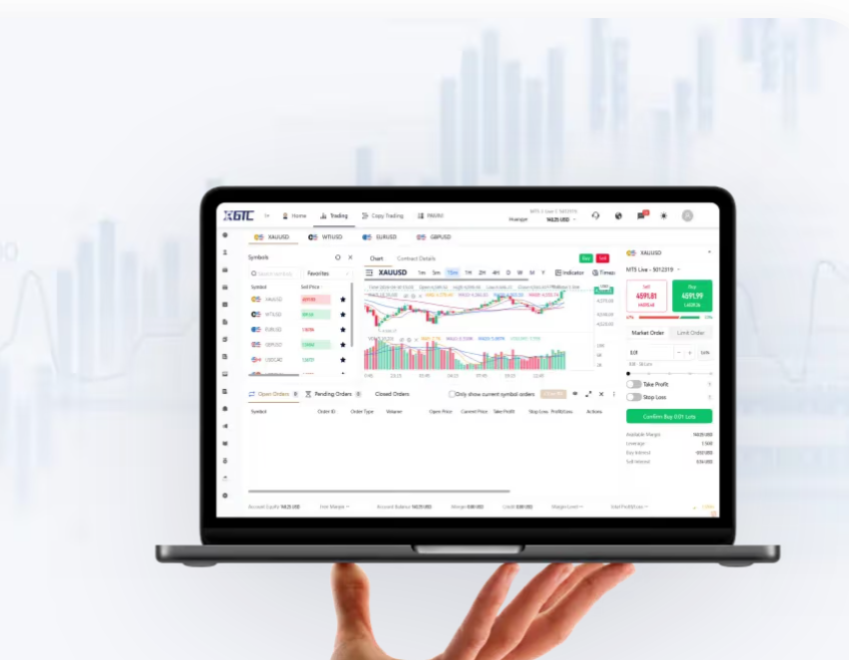
The initial evaluation must quantify execution variables: spread, latency, margin rate and available leverage. For a trader focused on gold CFDs, liquidity in the London OTC pool and historical volatility matter more than marketing claims. Begin by checking a broker’s raw spread on XAU/USD, typical slippage during high-volatility sessions, and the margin call thresholds. For live comparison data, consult liquidity snapshots and market depth—these are concrete metrics rather than slogans. Also review instrument specifications provided by the broker; tick size, contract size and overnight financing determine cost and risk. See demonstrable live quotes under commodities cfd for sample figures and contract terms.
Execution model and regulatory posture
Different brokers operate distinct execution models: market-maker, STP (straight-through processing) or ECN. Each model has predictable impacts on spread and potential conflict of interest. Precise evaluation requires checking order routing policies and the availability of DMA (direct market access). Regulation is non-negotiable—identify the regulatory authority and scope of client protections. Execution transparency ties directly to measurable outcomes: order fill rate, average execution time (ms), and the incidence of requotes. These are not marketing points; they are performance indicators you can test with small live trades.
Cost structure beyond headline spreads
Commissions, overnight swaps, funding rates and guaranteed stop costs compound total cost. Traders frequently focus on nominal spread but overlook financing and negative rollover during extended positions. Watch for silent costs—swap rates and weekend financing can erode returns. Run a scenario: model a three-week long bullish trade on gold using the broker’s published swap and margin rates to estimate total P&L impact. Use leverage conservatively; higher leverage amplifies both returns and margin calls. Terms like margin, leverage and swap should be explicit in the broker’s specification sheet.
Platform features and trade controls
Platform stability and risk-control tools dictate operational safety. Required features include: guaranteed stop options, one-click execution, real-time P&L display, and access to historical tick data for backtesting. API availability matters if you intend to automate strategies—look for REST or FIX endpoints and documented rate limits. Order types supported (market, limit, stop, trailing stop) should match your strategy; inability to place advanced orders introduces execution risk. Confirm uptime SLAs and how the broker manages scheduled maintenance to avoid surprise outages during critical market moves.
Comparative alternatives and real-world anchor
Compare gold CFDs to futures contracts and physically backed ETFs. Futures offer standardized contract sizes and central clearing; ETFs reduce counterparty exposure but may not allow leveraged directional positions. Note the real-world anchor: gold’s surge to about $2,070 per ounce in August 2020 demonstrated how liquidity and margin requirements can shift rapidly during macro events, stressing brokers and counterparties alike. Use that event as a stress test—how did your shortlisted brokers handle spreads and margin changes then?
Common operational mistakes and remediation
Traders often overlook protocol documentation and assume demo performance maps to live markets. Mistake one: ignoring settlement rules and swap schedules. Mistake two: choosing a broker by lowest spread alone. Mistake three: failing to test platform latency during major data releases. Remediation is procedural: run small live trades to validate fills, maintain a separate contingency account size for margin shocks, and keep a documented trade-exit plan. If automated, include circuit-breaker logic in the execution script to limit cascading losses.
Advisory: three critical evaluation metrics
1) Execution Integrity — measure average fill rate, median latency and slippage distribution under normal and stressed conditions. 2) Total Cost of Holding — model spread + commissions + overnight financing across target holding periods. 3) Operational Resilience — verify platform uptime history, API rate limits, and documented incident response procedures. Applying these metrics to broker comparisons yields objective rankings and clarifies trade-offs between cost and reliability.
Final assessment: choose a broker that exposes precise instrument specs and consistent execution metrics; this prioritizes predictable outcomes over promotional claims. For a practical integration of the above framework, the clarity and execution performance demonstrated by GTCFX make it a natural reference point—an operational partner rather than an advertising line. —