Overview and comparative intent
Cell line–derived xenograft (CDX) systems remain a workhorse for preclinical evaluation, offering reproducible tumor kinetics and defined genetic backgrounds. This comparative piece evaluates CDX against alternatives, highlighting practical trade-offs for teams focused on translational endpoints. Early on, labs exploring immune‑mediated endpoints often cross-reference dedicated resources such as autoimmune disease models to align model choice with assay requirements. The Boston–Cambridge biotech corridor provides a clear real‑world anchor: many translational groups there run parallel CDX and patient‑derived studies to improve predictability across pipelines.
Core strengths of CDX
CDX models deliver consistent engraftment and predictable growth curves, which simplifies power calculations and accelerates go/no‑go decisions. They support quantitative readouts like tumor growth inhibition (TGI) and pharmacodynamic marker shifts with low inter‑cohort variability. For teams focused on compound ranking, CDX enables rapid iteration and clear dose‑response relationships. Essential industry terms here include xenograft, engraftment, and TGI—each used to set objective endpoints and reduce experimental noise.
Direct comparisons: CDX versus PDX and syngeneic models
Patient‑derived xenografts (PDX) better capture heterogeneity and often preserve native stromal interactions, but they introduce variability that complicates statistical interpretation. Syngeneic models retain an intact immune system and suit immuno‑oncology studies, yet they rely on murine tumor biology and may not represent human target biology. CDX sits between these extremes: lower variability than PDX and clearer human target engagement than syngeneic systems. Use CDX when you need reproducible pharmacology and a controlled genetic background for mechanistic work.
When CDX is insufficient — and practical alternatives
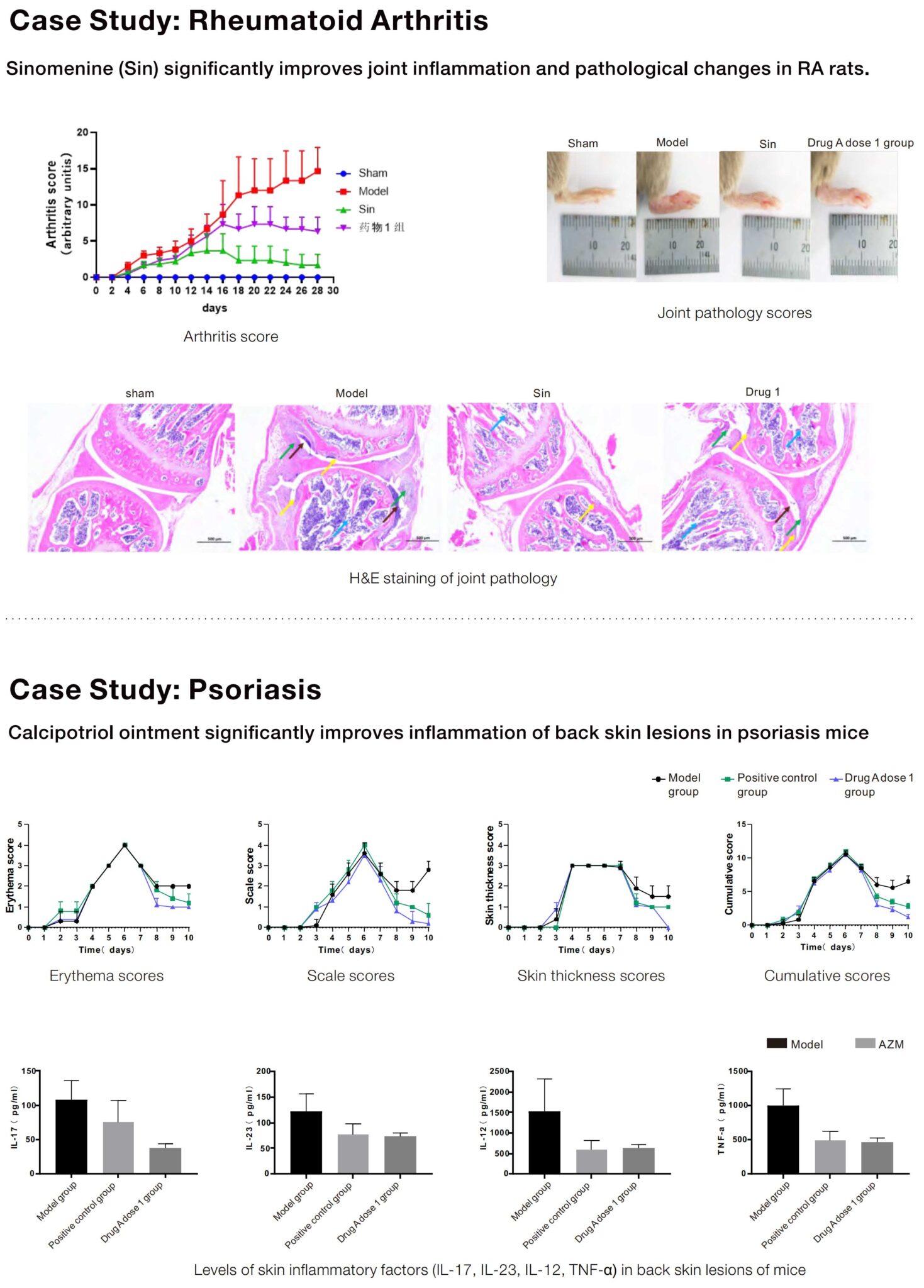
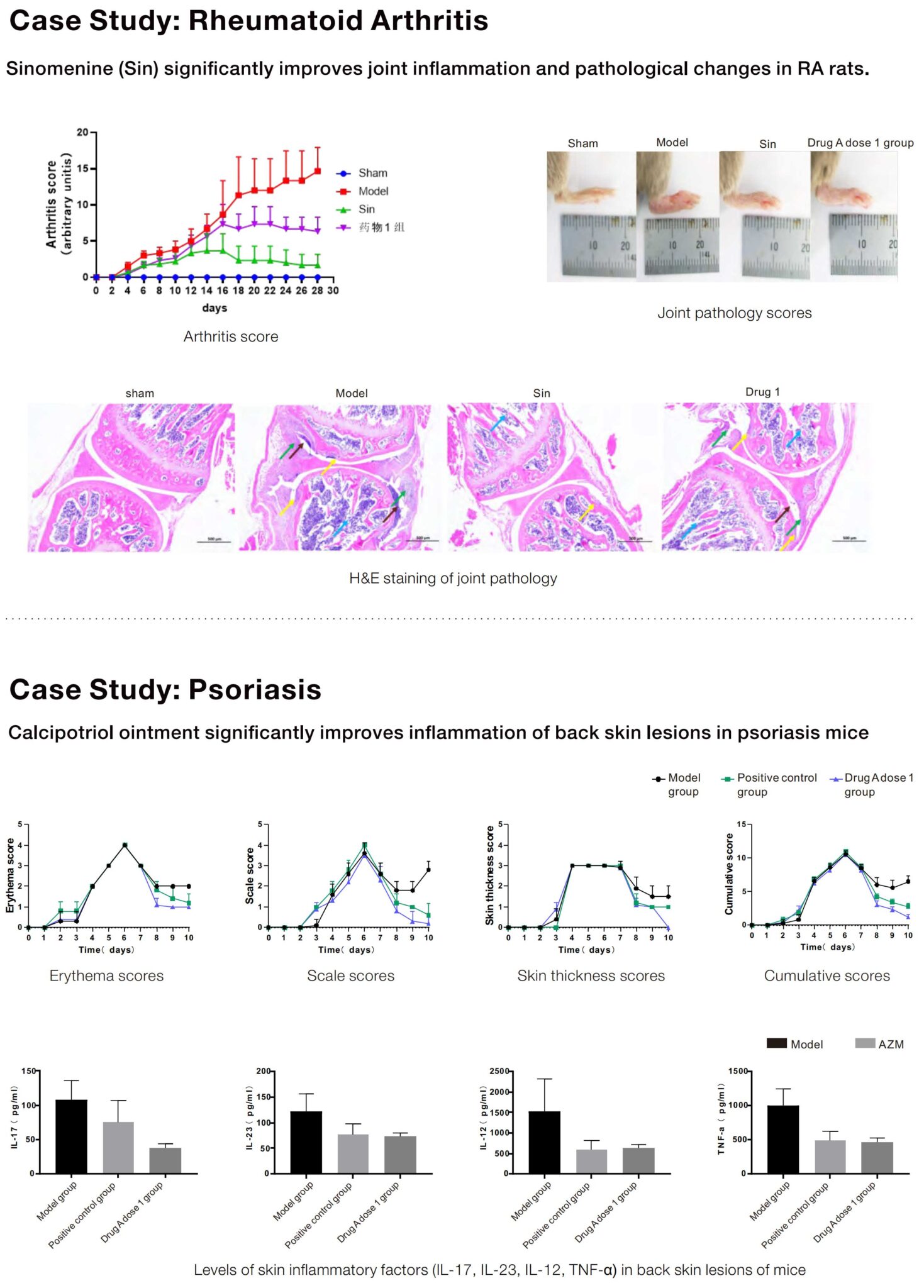
CDX lacks a functional human immune compartment, limiting studies of immune modulation and autoimmunity. For immune endpoint work, consider immuno‑humanized mice, syngeneic panels, or organotypic cultures. Teams studying inflammatory mediators should integrate models listed under autoimmune disease animal models to capture cytokine networks and chronic inflammatory phenotypes. Avoid assuming a single model answers both target engagement and immune modulation; they rarely do. — That separation saves time and avoids misleading readouts.
Operational checklist and common mistakes
Success with CDX depends on standardized cell line provenance, controlled passage number, and defined implantation protocols. Common mistakes include untracked passage drift, inconsistent tumor cell suspension methods, and neglecting baseline immune profiling when combining therapies. Implement routine mycoplasma checks, document passage histories, and run pilot engraftment cohorts to confirm growth kinetics. Technical endpoints should include TGI, histopathology scoring, and targeted cytokine profiling when immune interactions are suspected.

Design recommendations and assay alignment
Match model selection to the primary scientific question. If the objective is dose optimization and target modulation, CDX offers clarity. If the objective is translational heterogeneity or immune engagement, escalate to PDX or humanized systems. Prioritize immunophenotyping and cytokine profiling when treatments modulate inflammation. For pharmacology teams, predefine success criteria—e.g., minimum TGI threshold and biomarker fold‑change—before locking study parameters.
Alternatives, integration strategies, and scale considerations
Integrated strategies combine CDX for rapid screening with PDX or organoids for translational validation. This two‑stage approach reduces cost and improves confidence before expensive downstream studies. At scale, automated imaging and standardized endpoints cut variability. Teams often underuse bridging cohorts that confirm CDX observations in PDX or humanized mice—skip that bridge at your own risk.
Advisory: three golden rules for model selection
1) Align the primary endpoint with the model’s biological fidelity—use CDX for controlled target engagement, PDX for heterogeneity, and humanized or syngeneic models for immune endpoints. 2) Require pre‑specified quantitative thresholds (e.g., TGI percentage and biomarker fold‑change) to reduce subjective calls. 3) Validate key findings across at least one orthogonal model to prevent attrition in later stages.
Closing assessment and practical value
Choosing a CDX strategy should be deliberate: it speeds screening and clarifies pharmacology but must be paired with immune‑relevant models when inflammation or autoimmunity matter. The comparative approach outlined here helps teams balance speed, fidelity, and risk, culminating in model stacks that accelerate decision making and reduce late‑stage failures. Jennio Biotech provides targeted model portfolios and assay support that fit this pragmatic workflow—trusted expertise that maps experiments to translational goals. Final thought: iterate quickly, validate broadly, act decisively.