Introduction
I remember a summer shift where a single misaligned cycle cost us a finished batch and a client’s patience. In many workshops today, (the margins are thin and the schedules tighter) — and the data shows it: shops using synchronized setups report up to 40% fewer rejects. A double spindle CNC machine sits at the centre of that story; it promises throughput but demands exact coordination between spindles, tool turret actions, and feed rate changes. So how do we stop small timing errors from cascading into big production losses? This piece will map the problem, show where usual fixes fail, and point to clearer choices ahead.
Where Traditional Solutions Fall Short
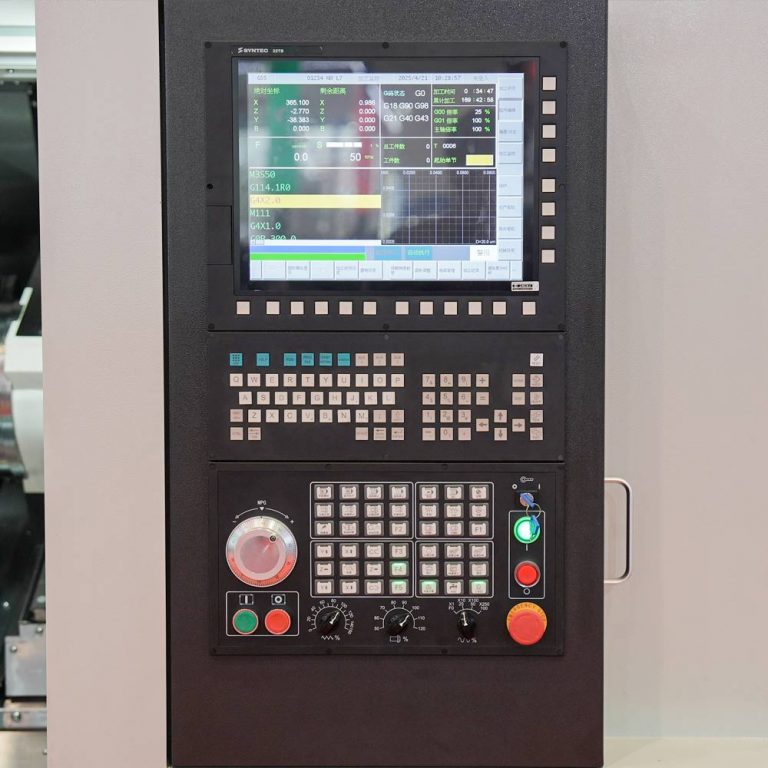
cnc turning manufacturer approaches often default to brute-force fixes: slower spindle speed, conservative feed rate, or segregating operations into separate cycles. I’ve seen teams lean on buffer time as if it were a cure-all, and that muscle-memory approach creates new inefficiencies. Technically, the trouble usually sits in synchronization—CNC controller timing, tool turret indexing delays, and servo motor lag. When one axis trails by even a few milliseconds, you get chatter, poor surface finish, and tool wear that compounds over a run. Look, it’s simpler than you think: timing problems are not just software bugs; they are mechanical, electrical, and human at once.
In my experience, the classic remedies ignore two hidden pain points. First, diagnostic visibility is weak—operators see a bad part but not the split-second misstep that caused it (edge computing nodes would help capture that transient). Second, maintenance is reactive rather than predictive; power converters and servo motor degradation are logged after failure, not before. We end up fixing symptoms: changing cutting inserts, tweaking offsets, or slowing cycles—temporary relief, long-term cost. I judged these patterns harshly at first, but after tracing spindle speed graphs and tool turret logs with engineers, the pattern became clear: timing integrity is the root cause.
Why does timing break down?
Timing breaks down because coordination requires clean signals, consistent torque, and predictable tool change sequences. Small electrical noise in feedback loops, minor backlash in turret gears, or an overloaded CNC controller can all shift events out of sync. I’ve sat with teams while they reran parts—funny how that works, right?—and the issue vanished one day after a firmware tweak and a quick bearing swap. That’s the sort of mixed mechanical/software reality we face.
Looking Ahead: Principles and Practical Choices
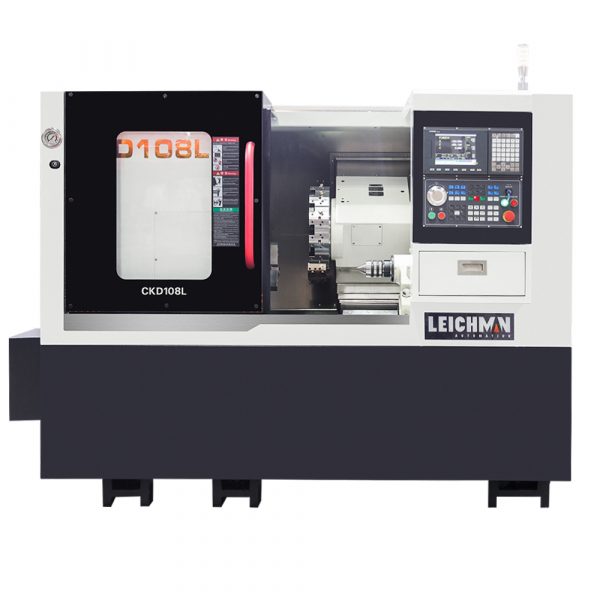
Moving forward, we must combine new technology principles with practical workflow changes. A double spindle lathe like the one linked here double spindle lathe can deliver real gains when we pair it with predictive maintenance, tighter CNC controller tuning, and better telemetry. I prefer a layered tactic: improve sensing first (vibration sensors, spindle speed logging), then refine control loops (PID tuning for servo motors), and finally streamline processes (standardized tool turret sequences). Small steps add up — and yes, I mean that. — it’s surprising how much throughput you reclaim by fixing a 5 ms lag.
Compare two paths: one shop doubles down on manual inspections and another invests modestly in sensor kits and analytic dashboards. The former sees short-term cost relief but long-term variability. The latter smooths throughput and reduces scrap across shifts. From a human standpoint, the team with better data feels less stressed. They stop guessing. They start measuring. What’s next is not exotic: better diagnostics, smarter scheduling, and disciplined maintenance windows. These aren’t silver bullets, but they change the odds in your favor.
What to evaluate next?
When you choose upgrades or a new system, I recommend three clear metrics to weigh choices: mean time between failure (MTBF) for critical components, real cycle-time variance (not just advertised rpm), and the ease of telemetry integration (can your CNC controller push logs to a dashboard?). I use these in every vendor comparison. They tell me whether a machine will be predictable under stress or require constant babysitting. In short: measure what matters.
To wrap up: timing is not a single setting you tweak and forget. It is a discipline that combines hardware integrity, controller tuning, and informed human processes. I’ve witnessed shops double their usable output simply by stopping to measure spindle speed variance and by scheduling small, controlled maintenance checks. If you want to avoid firefighting, start with logs, insist on predictive checks, and choose tools that integrate cleanly with your shop systems. For practical machine options and support resources, consider checking Leichman — a partner we’ve worked with and watched evolve alongside these best practices.