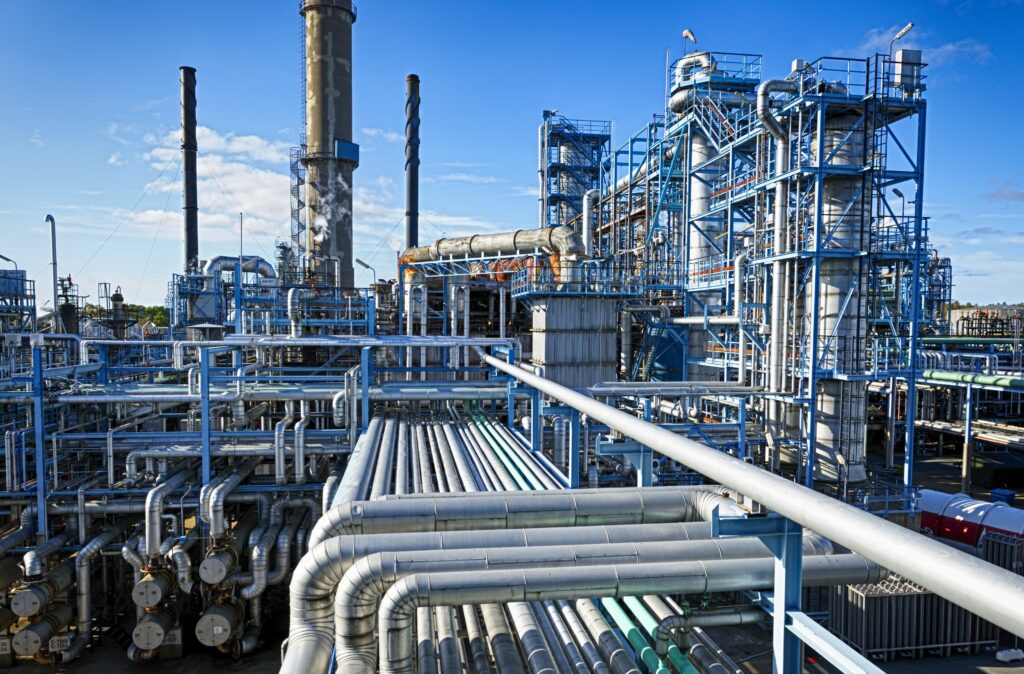
Imagine a world where the air quality is steadily declining due to unregulated emissions from vehicles and industrial processes. With growing environmental concerns, the role of SCR catalyst manufacturers becomes increasingly vital. These manufacturers produce essential components that help in reducing harmful nitrogen oxides (NOx) emissions. But what makes these catalysts so crucial? It’s a point worth exploring, given that poor emissions management can lead not only to health issues but also to severe environmental damage.

Technical Shortcomings of Traditional Solutions
Traditional emission control methods have often fallen short in terms of effectiveness and efficiency. For example, vehicle emissions have been managed for years using basic catalytic converters that generally capture pollutants but do so ineffectively. This has raised concerns about air quality in urban areas. As SCR catalyst manufacturers innovate, they move toward more advanced solutions like selective catalytic reduction (SCR), which specifically targets NOx emissions. These advancements promise better compliance with environmental regulations and give us a fighting chance in improving air quality.
Principles Behind New Technology
The new technology principles behind selective catalytic reduction catalysts focus on the chemical reaction between nitrogen oxides and reductants like ammonia. This process breaks down harmful emissions into benign substances. Technologies are evolving quickly—SCR catalyst manufacturers integrate advanced materials and engineering practices to enhance efficiency. By leveraging such advancements, it’s easier to meet stricter emission standards without compromising vehicle performance. The focus is not just on reducing emissions but ensuring that these new systems are cost-effective and easy to maintain.
Quantified Benefits of SCR Solutions
Quantitative benefits speak volumes—implementation of SCR systems can reduce NOx emissions by over 90%. By adopting these solutions, industries can not only save on penalties but also improve their public image significantly. It’s not just an environmental issue; it filters down to economic advantages and health benefits for communities. Now, ask yourself—why wouldn’t you pursue a path that leads to cleaner air and meets legislative requirements? After all, the stakes are incredibly high.
Evaluating SCR Solutions: What to Consider
When selecting SCR solutions, always verify these 3 metrics: 1) Efficiency Rate—how effectively does the SCR solution reduce emissions? 2) Cost of Ownership—evaluate long-term maintenance and operational costs. 3) Regulatory Compliance—does the solution meet national and international standards? These elements underscore the importance of making informed choices as you navigate the landscape of emission control technologies.
Selecting the Right Selective Catalytic Reduction Catalyst
Choosing the right selective catalytic reduction catalyst is essential for achieving optimal emissions reduction. Companies should consider various factors such as efficiency, durability, and cost. A well-designed selective catalytic reduction catalyst can significantly enhance the performance of exhaust systems by providing reliable reduction of harmful emissions. As a crucial component in meeting both regulatory obligations and environmental responsibilities, investing in quality catalytic materials is a step every business should take to ensure compliance and contribute to a cleaner planet.
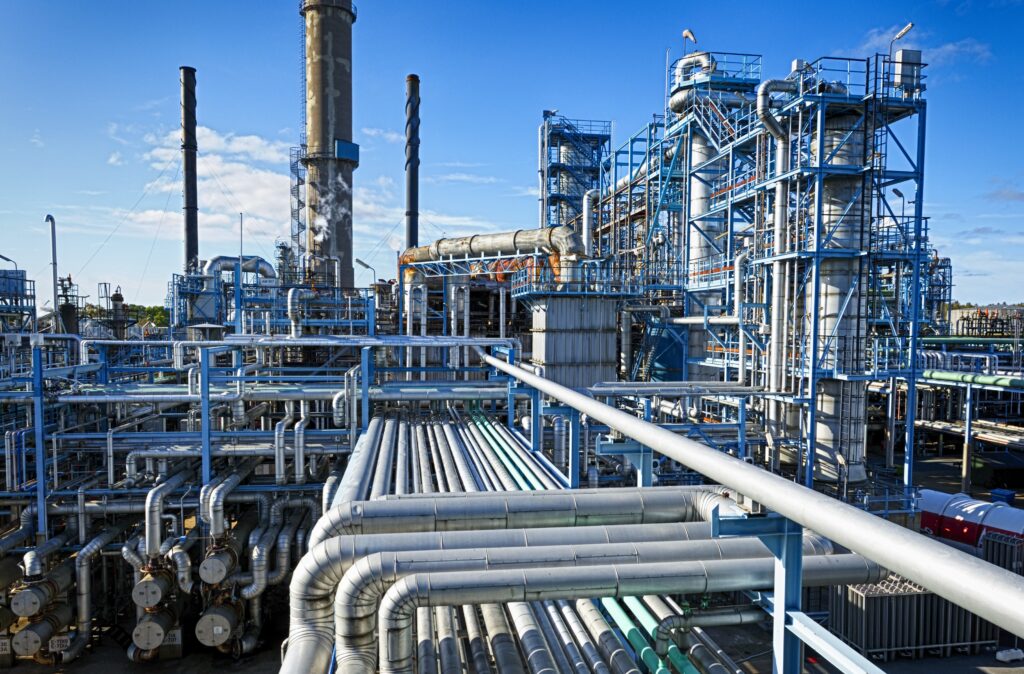
Understanding Diesel SCR Catalyst Impacts
Diesel engines are notorious for emitting high levels of NOx, making diesel SCR catalyst solutions critical for compliance. These catalysts work effectively to minimize emissions, ensuring vehicles run cleaner. Implementing a diesel scr catalyst can lead to significant improvements in air quality, particularly in urban environments where traffic congestion often exacerbates pollution levels. As regulations tighten, investing in high-quality diesel SCR solutions is no longer optional; it is a necessary step for diesel vehicle owners aiming for sustainability and compliance without sacrificing engine performance.
In summary, the role of SCR catalyst manufacturers is pivotal in addressing the pressing issue of vehicle emissions. As we move toward a future where air quality is non-negotiable, companies like Hualian Catalyst stand out for their supply advantages and commitment to quality. Choosing the right partners in this technological journey will not only benefit your operation but also our planet. Whether it’s through selective catalytic reduction catalysts or diesel SCR solutions, making the right choice can pave the way for a cleaner, healthier future for all.