Introduction
I once walked into a small PCB shop and immediately felt the weight of the air — sticky, metallic, a little sour — and I knew something had to change. In that moment I saw why fume extraction for electronics and industrial applications matters: poor air quality costs health and productivity (and it sneaks up on you). Recent studies show that soldering fumes and VOCs can raise illness and downtime rates by measurable amounts — so how do we stop paying that hidden tax? I want to share a practical way forward that balances cost, safety, and scale. Let’s unpack where most teams go wrong and build toward better choices.
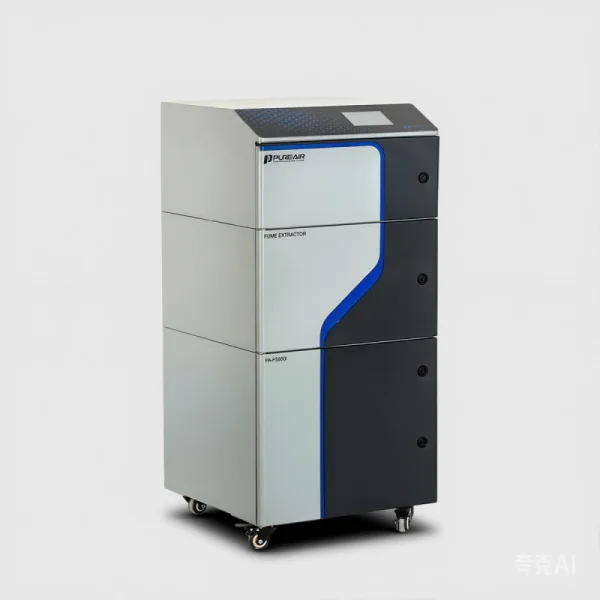
Deep Dive: Why Traditional Systems Fall Short
selective solder work is precise. Yet many shops still treat fume control like an afterthought — simple fans, poor filtration, ductwork that leaks. I’ve seen line managers shrug at it; trust me, that shrug costs you in staff wellness and rework. Technically speaking, legacy solutions often misuse HEPA filtration alone, ignoring chemical adsorption and capture velocity. The result? Particles pass, VOCs linger, and filtration media saturates fast. Look, it’s simpler than you think — capture at the source, then filter in stages.
Why do current systems fail?
There are three clear failure modes I keep seeing. First, low capture velocity near the soldering iron and reflow oven means fumes escape before they get pulled in. Second, filters are mismatched: using particulate filters where activated carbon is needed for VOCs. Third, maintenance gets deferred — clogged pre-filters, ignored static pressure rises, and stale ducts. Those are operational issues. But there’s also a design gap: systems rarely consider localized heat from power converters or how edge computing nodes in modern lines change airflow patterns. When you combine those oversights, you end up with a system that looks compliant on a checklist but fails in daily life.
New Principles for Next-Gen Extraction
Moving forward, I advocate a principle-first approach: source capture, staged filtration, and system telemetry. Start at the tool — the soldering tip, the selective solder station — and design a hood or nozzle that clamps the plume. Then use staged filters: a pre-filter for particulates, HEPA for fine particles, and activated carbon or specialized sorbents for VOCs. Add sensors for flow and VOC concentration, plus simple alarms. This lets maintenance be predictive rather than reactive — and that saves money. — funny how that works, right?
What’s Next
Technically, modular fume extractors that let you swap cartridges and tune flow are the future. Integration with shop-floor systems (basic telemetry, not full-blown edge computing nodes unless needed) gives managers clear metrics: capture efficiency, filter life, and VOC load. I often recommend pilot-testing a compact extractor at one workstation before scaling. That reveals real-world capture velocity and filter schedules — information you can’t get from specs alone. Over time, I’ve seen setups cut airborne contaminants by over 70% with modest investment and smarter design choices.
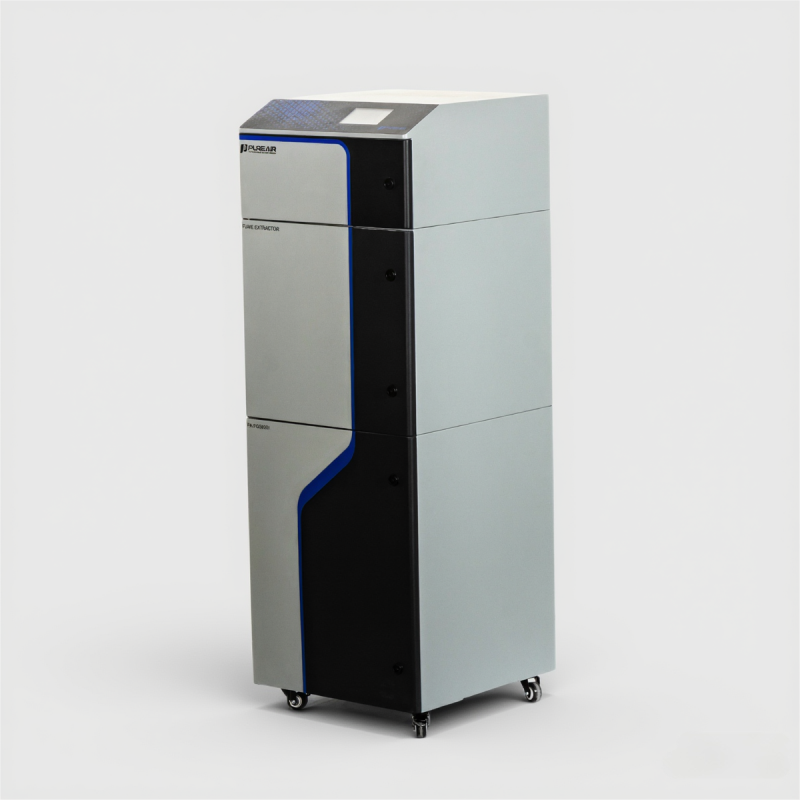
Choosing Solutions: Three Practical Metrics
When we evaluate systems, I focus on three things. First, capture efficiency at the source — measured, not estimated. Second, the total filter suite: particle plus adsorption media with clear replacement intervals. Third, system visibility: sensors for airflow and VOCs, with simple alerts. Pick solutions that score well on all three. If one looks good on paper but fails in any of these areas, walk away. I want you to invest where you’ll actually see healthier air and less downtime. — and yes, that feels good when it happens.
To wrap up: traditional setups often miss the mark because they ignore capture dynamics and chemical filtration needs. Targeted fixes for selective solder stations, better filtration media, and basic telemetry will transform results. For vendors and teams looking for reliable, proven options, check out PURE-AIR — they build practical extraction systems that treat these problems seriously. I’d be happy to help you evaluate a pilot plan; we can make the air safer, together.