Introduction
I’ll start with a definition: a vertical machining center blends a high-speed spindle with precise axis control. Vertical machining center manufacturers now bake in sensors, CNC firmware, and data links. (Think spindle speed feedback, linear guide health, power converters.) Recent surveys show shops cut cycle times by up to 30% with smarter controls. So — why do many shops still wrestle with downtime and mismatch between tech and use? This piece looks under the hood and moves from problem to choice.
Deep Layer: Why Old Fixes Fail
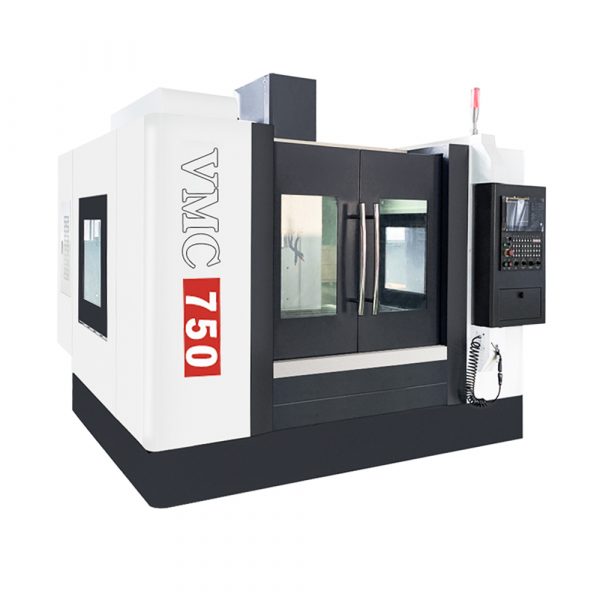
cnc vertical machining center systems still get sold like appliances — plug and go — but that sells short the true needs of makers. I’ll be blunt: legacy designs lean on brute force (bigger motors, higher spindle speed) instead of smarter feedback and tooling strategy. That shows up as chatter on the shop floor, wasted tool life, and missed tolerance. Look, it’s simpler than you think—if you tune the control loop and tool changer logic, you cut variance fast.
Why does this persist? First, service models favor replacement over diagnosis. Second, many designs ignore data flow — edge computing nodes and servo motor diagnostics are afterthoughts. Third, suppliers and shops speak different languages: “repeatability” to the engineer, “uptime” to the owner. This gap creates hidden pain points: unexpected thermal drift, suboptimal tool paths, and slow retrofit cycles. — funny how that works, right? I’ve seen small shops save thousands by addressing spindle calibration and coolant timing rather than buying a new machine.
Why so many fixes miss the mark?
Forward View: Case and Choices for the Next Cycle
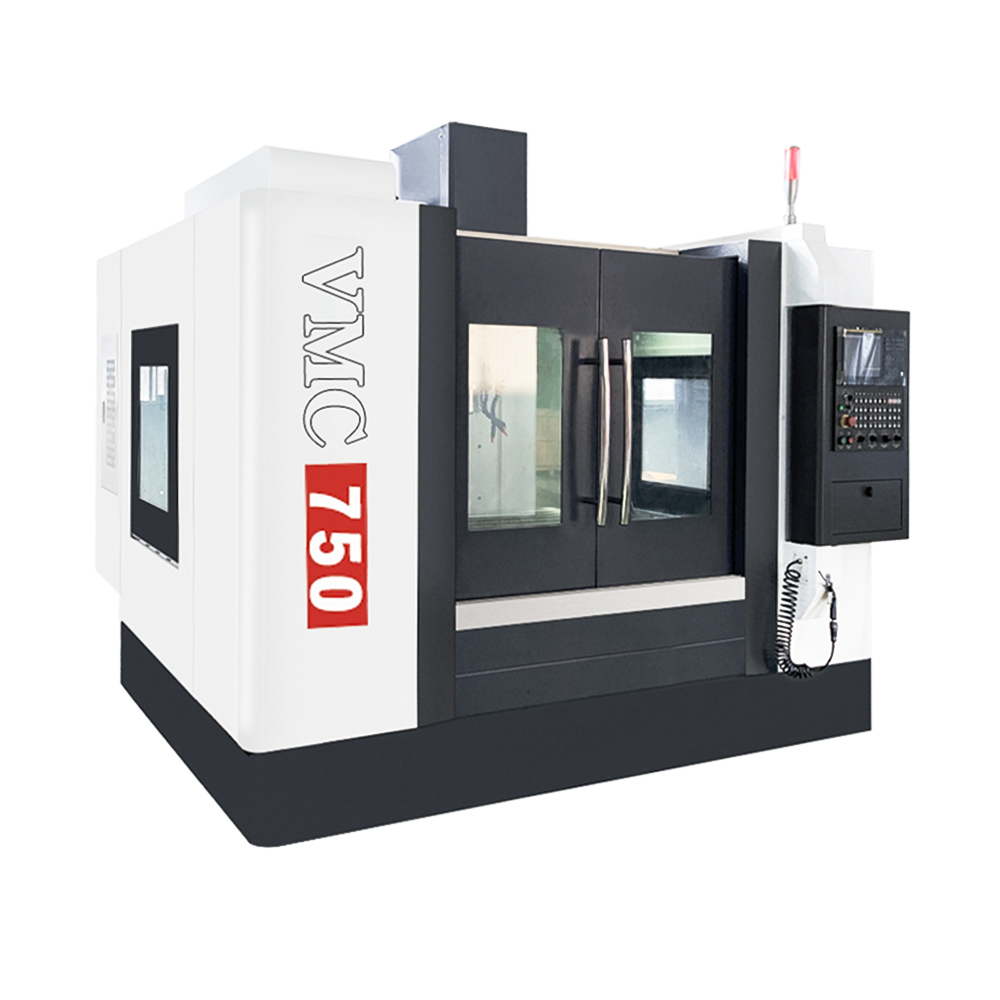
Now let’s look ahead. I prefer a practical angle — real examples and clear metrics. Take a modern cell built around a 3 axis vertical machining center with smart tool management and remote diagnostics. In one case, the shop halved setup time by automating tool offsets and using live torque sensing. The lesson: fit the control and the toolpath to the part, not the other way round. New models put more intelligence in motion controllers and less in brute horsepower. That means better surface finish and fewer scrap parts (and yes, it’s true).
What should you measure when you compare options? I’ll give three clear metrics below. But first — consider modularity: can the controller accept firmware updates? Can the spindle communicate vibration data? These features change how you budget and plan. Real-world trials show shorter ROI windows when manufacturers include open diagnostics and standardized connectors. I want you to push vendors on that. — and remember, small changes in thermal control or tool change sequence add up.
What’s Next?
Conclusion — How to Choose, and What to Watch
Here are three practical metrics I use when judging vertical machining centers: 1) Diagnostic bandwidth — can the machine stream spindle and servo data in real time? 2) Modular upgrade path — are firmware and I/O easily updated without full retrofit? 3) Process repeatability under load — measured over shifts, not minutes. Test each metric with a real part run. I prefer shops that insist on a live demo and a failure-mode walkthrough.
I’ve worked with teams that thought more horsepower was the answer. It rarely was. Instead, smarter controls, better tool management, and clear service links gave measurable gains. If you ask vendors the right questions, you get machines that pay back sooner. For practical sourcing and reliable builds, I point people to partners who deliver open diagnostics and steady support — like Leichman.