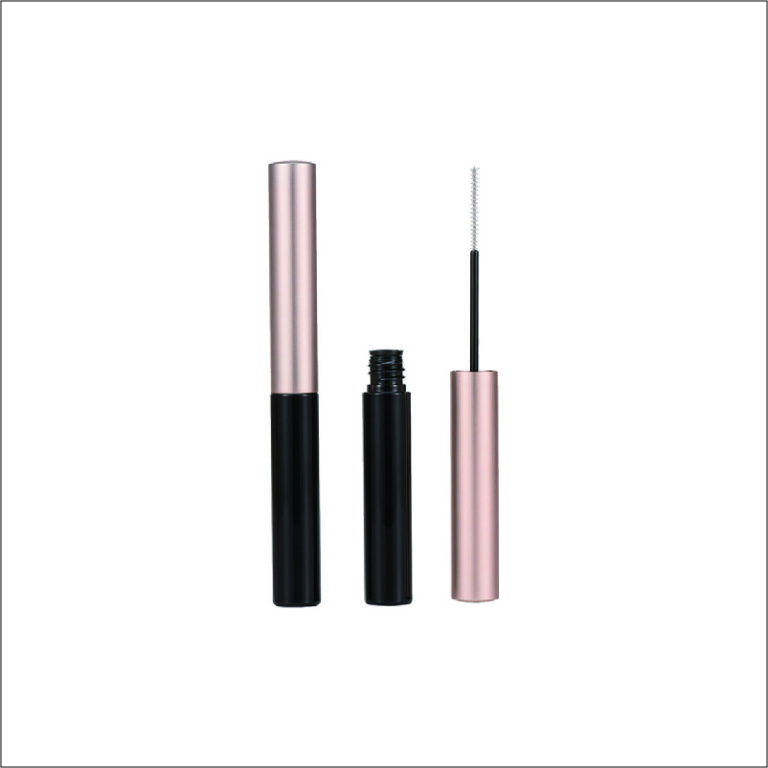
Introduction: When Scale Meets Precision
Big orders look safe until they are not. In the second week of a launch push, a buyer signs off on empty mascara tubes wholesale to beat a retail slot and hold cost. Then the shipment lands, and the cap torque is off by a hair, the wiper pulls too much formula, and rejects creep past 3%. The data is not soft: a 1% rise in defect rate can raise your net landed cost by 4–6% once rework, returns, and freight are counted (yani, the hidden taxes of speed). So, does scale protect you—or expose you?
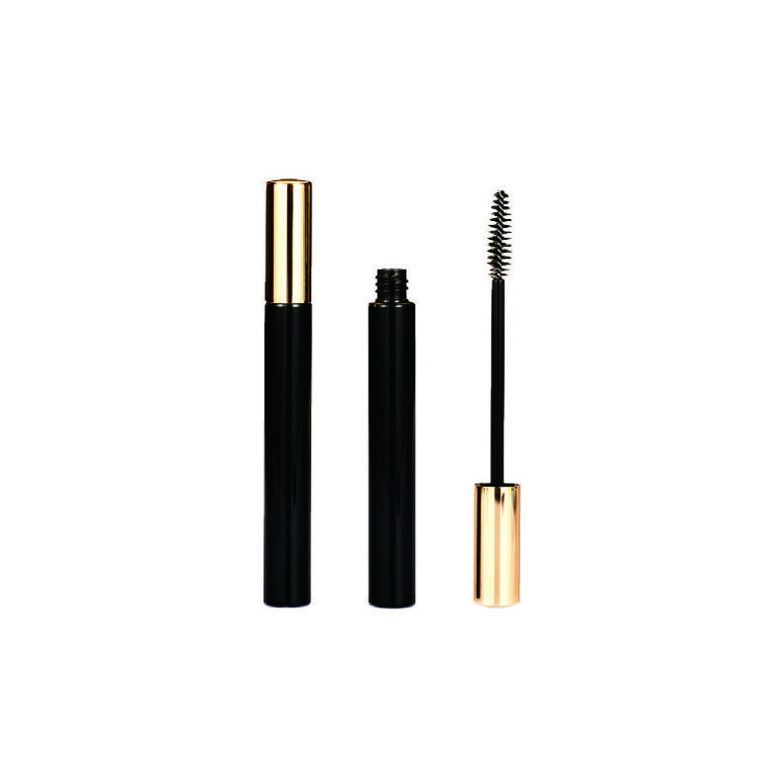
Here is the tension. The MOQ promises price relief, but the tolerance stack-up across components grows with each cavity and cycle. Injection molding variances, wiper diameter drift, and stem straightness become system problems, not single faults. One line stop can burn a week. One bad color batch can lock your team into frantic re-labels. And still, you must ship. Bold question: are you buying units, or are you buying a process? Let’s map the gap between volume and control—and what to do about it next.
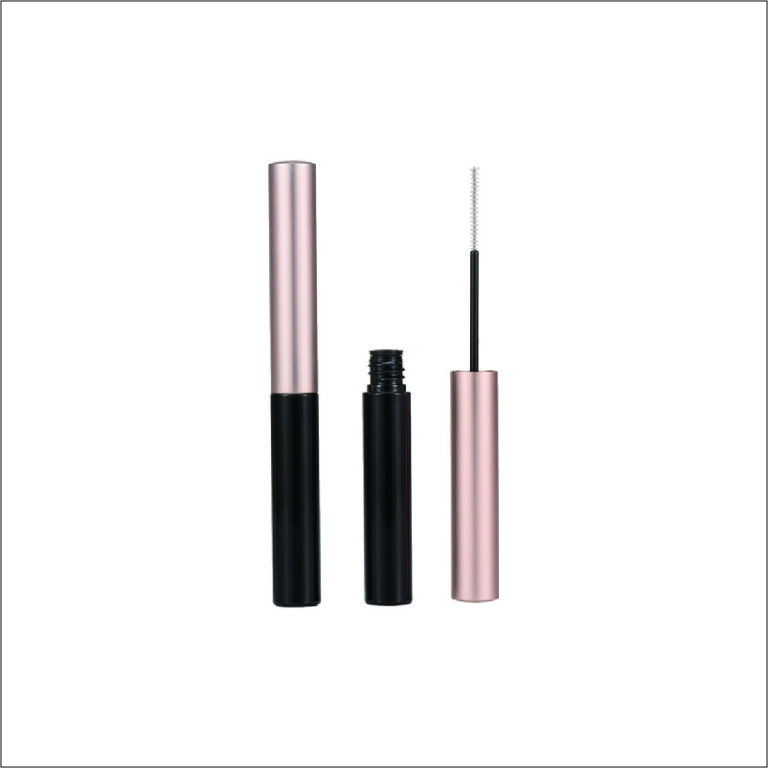
Hidden Friction in Bulk Orders: What Buyers Miss
In most catalogs, wholesale empty mascara tubes look the same. The photos are shiny. The price tiers are clean. But the deeper layer hides in how parts meet under load and time. Traditional sourcing leans on a spec sheet, a pre-shipment AQL, and a short pilot. That workflow overlooks real-world viscosity shifts, bristle geometry tolerance, and wiper-lash interaction after 500 open/close cycles. Colorant dispersion changes with cooling rates; PCR material can shrink differently than virgin resin; and anodized collars from a second lot may not match Delta E targets. Under MOQ pressure, you accept “within spec,” yet those specs measure parts in isolation, not assembled behavior. The result is unit cost down, quality leakage up—funny how that works, right?
Technical point, kept simple. Tolerance stack-up is the quiet thief. The cap, stem, wiper, and bottle each pass inspection, but their combined variance pushes seal integrity below threshold during transit heat soak. Micro-leak equals dry-out and clumping. Then the brush drags, deposits spike, and user complaints rise. Look, it’s simpler than you think: test assemblies, not only parts. Add low-cost fixtures to stress the system early. Ask for Cpk on wiper bore, stem runout data, and cycle-time heat maps. Also track cycle-to-cycle torque decay. These steps cost little; they prevent a pile of rework and post-launch headache.
Where do costs leak?
Three quiet drains repeat across projects: (1) mismatch between wiper fit and formula viscosity leads to pickup variance and streaks; (2) resin shrinkage variation in PCR blends changes snap-fit performance; (3) color drift across anodizing lots breaks SKU consistency under store lighting. Each is fixable—if you see it before scale. The old playbook waits for the pre-shipment check. The better playbook simulates shelf life, cap torque cycles, and drop tests during pilot, not at the port.
From Guesswork to Systems: A Comparative Path
Let’s move from trouble-shooting to design. One buyer kept swapping vendors, chasing lower unit cost. Another buyer locked a process with a steady mascara tube manufacturer and shared early data—formula viscosity, target pickup mg, and preferred brush stiffness. The first saved $0.04 per unit on paper. Then they ate 7% scrap after wiper failures in summer freight. The second spent $0.02 more, but used dual-cavity correlation charts, resin lot traceability, and torque-on-cap controls. Their field complaints dropped by 62%, and launch hit date stuck. That is the core comparison: price per piece versus price per outcome.
What’s Next
Future-facing flow looks different. Think modular tooling with quick-change inserts to tune wiper diameter without a full retool. Think inline vision systems checking stem straightness and tip concentricity, not just presence. Think pilot lines that run at heat-soak temperatures to mirror transit, with data logged to a simple SPC dashboard. Then add a 72-hour leak test and accelerated-aging checks. Not rocket science—just disciplined assembly validation. And yes, document resin blends, PCR percentage, and cooling profiles, so color and snap-fit stay consistent. When the team treats the package like a micro-system, the guesswork fades, and the MOQ becomes an asset, not a risk.
Summing the path without repeating old lines: bulk buying can work, but only when you manage the interfaces, not just the items. Compare suppliers on process capability, not catalog shine. Ask for: Cpk on critical dims like wiper ID; leak-rate data after vibration and drop; torque decay after 500 cycles. Then measure outcomes after launch, not only at dock. To choose wisely, use three metrics: (1) sealing integrity pass rate in 24-hour heat-soak and vacuum tests; (2) Cpk ≥ 1.33 on wiper diameter and stem runout; (3) Delta E ≤ 1.0 across anodized lots for color stability. Keep the scorecard simple; keep the discipline steady. For a grounded, data-sharing partner in this space, see NAVI Packaging.