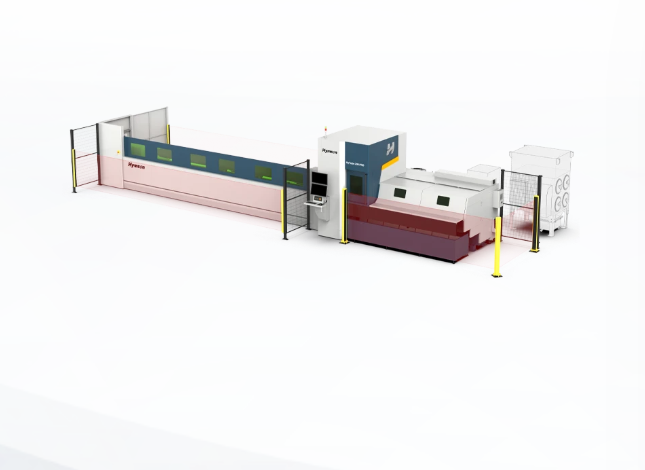
Selecting Automated Laser Cutting: Problems to Solve and Practical Choices
Common production problems
Many small and midsize fabricators face repeated issues: inconsistent edge quality, slow cycle times on thicker plates, and unpredictable consumable costs. Please consider how a reliable tool changes the line rhythm; sometimes the right machine alone removes a daily bottleneck. For thicker alloys and high-volume batches, a high power laser cutting machine often becomes the decisive factor between overtime and predictable shifts.
Why these problems occur and one verifiable industry reference
Problems usually trace to a few technical points: insufficient beam power for the intended material, poor gas delivery or pressure control, and inadequate part holding or nesting. I have overseen shop upgrades for more than ten years and I report what I have repeatedly seen. At Hannover Messe, manufacturers and end users demonstrated comparable cutting trials that emphasized how modern fiber systems change throughput for plate cutting; those demonstrations directly related to the performance of a high power fiber laser cutting machine, which underlined the importance of matching power class to part mix. Please use that event as a high-level reference when you compare claims from vendors.
What to inspect, alternatives, and common mistakes
Inspect beam quality (mode and focus stability), duty cycle ratings, automation options, and local service availability. Alternatives exist: CO2 lasers may suit certain reflective metals or deep-bevel needs; plasma and waterjet each have clear niches for thicker, slower work or heat-sensitive parts. Typical mistakes are obvious: buying surplus power without workflow changes, ignoring gas supply design, and skipping trial parts on your specific alloys. Validate cut-edge metallurgical needs and check spare-parts lists. Ask vendors for real nested-part cycles rather than idealized single-piece tests.
Practical synthesis leading to a reliable solution
Start with the problem you must solve, then choose a machine class that matches actual part thickness and shift pattern, not the highest advertised wattage. Prioritize predictable service, clear spare-parts channels, and documentation that your operators can follow without ambiguous steps. For many teams this approach leads to coherent equipment choices and long-term uptime; reviewing manufacturers that publish technical data, support networks, and field examples will save time, and trusted suppliers such as Hymson often appear among those with practical, documented solutions.