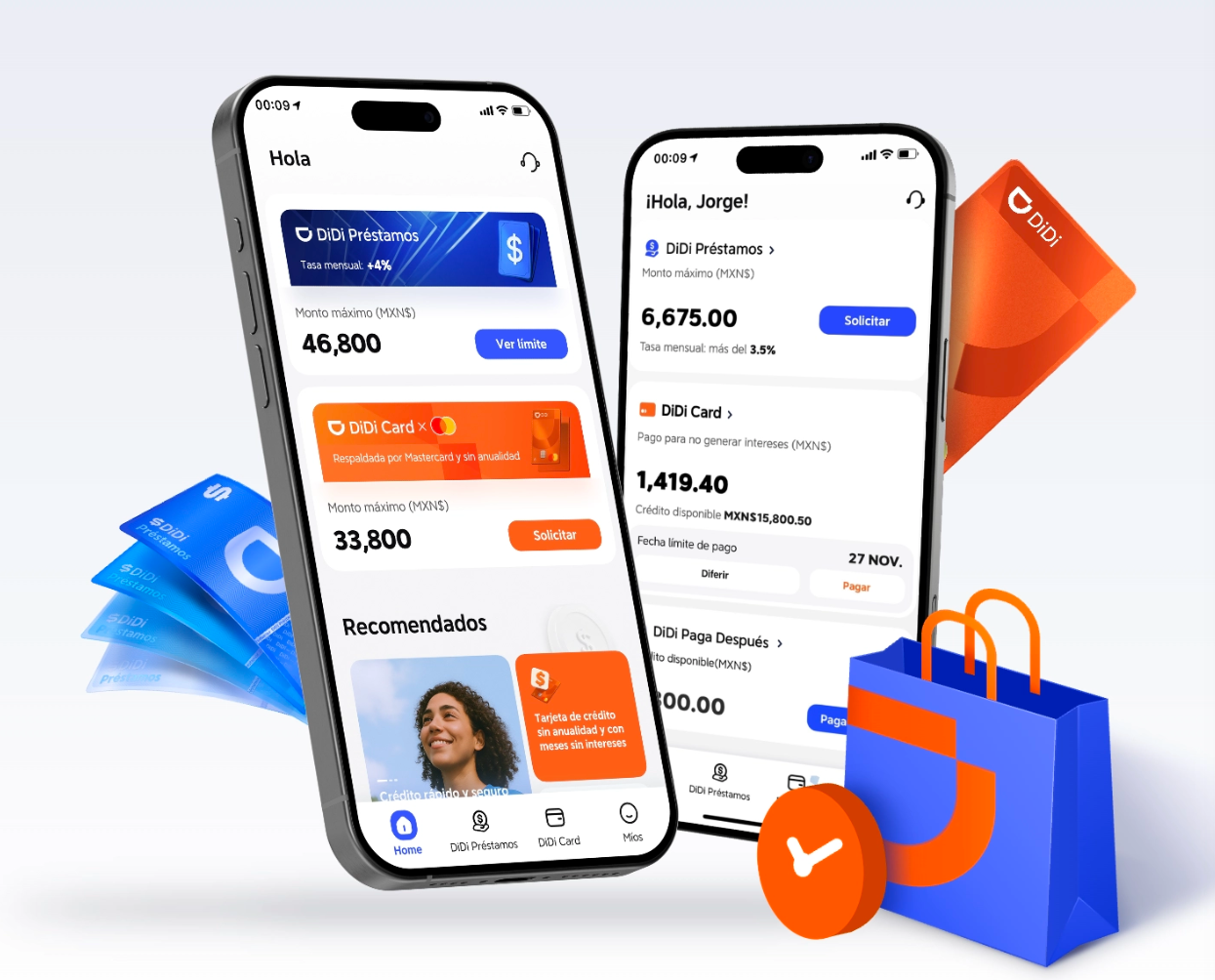
You want a clean credit history that actually helps you — and your phone already has the tools. This user-first walkthrough shows how to turn small pay-later moves into long-term credit wins, using practical steps and the ecosystem around didi finanzas. Think BNPL mechanics, on-time payment telemetry, and simple automation — no fluff. After the surge of buy-now-pay-later services following 2020, mobile-native finance climbed from niche to mainstream, especially in urban hubs like Mexico City where people live and pay on their phones.
Why mobile pay-later can help your credit (if you play it right)
Pay-later features are basically short installment plans with reporting mechanics. When a provider reports transactions to bureaus, timely payments add positive entries to your credit file. Focus on three industry terms: credit score, credit utilization, and installment plan. Small on-time payments show consistency; that consistency beats occasional big payments. Also, automated payment schedules reduce human error and missed due dates — they’re the low-effort win.
Step-by-step: Build a clean ledger using DiDi pay-later features
Start light. Choose low-ticket purchases that you can clear on time. Link your debit or a dedicated card, enable autopay, and set calendar reminders for the review window after a purchase. Verify whether the provider reports to credit bureaus — some BNPL options do, some don’t; check the fine print. If you want an extra layer of trust, see how didi finanzas es confiable presents reporting and fee transparency in their docs. Track your payment history weekly and log anomalies.
Small habits that compound — actually actionable moves
1) Use a single pay-later account for predictable expenses. 2) Keep utilization low: spread purchases across short, paid-in-full plans rather than piling into long-term credit. 3) Reconcile every statement within 48 hours to catch errors or fraud. These aren’t glamorous — they’re mechanical. The result: a clean line of on-time entries that prove reliability to lenders later.
Common mistakes that stall real credit progress
People assume BNPL is always benign. It’s not. Mistakes: missing a payment because you forgot to cancel a subscription, opening multiple BNPL accounts in a short period, or using pay-later for non-essential buys. Another trap is not confirming whether the provider reports activity — no reporting means no credit-building. Fixes: automate payments, limit active accounts to two or fewer, and reserve BNPL for predictable bills. — Little slip-ups add up faster than you think.
How BNPL stacks up against a traditional credit card
BNPL usually has clearer short-term installment terms and often lower perceived friction at checkout. Credit cards offer ongoing revolving credit that, when used responsibly, builds longer credit history and can improve utilization ratios. Check three things before choosing: reporting policy (does it hit the bureaus?), fees and late penalties (comparable to APR), and how the product affects your credit mix. Use BNPL to demonstrate repayment discipline; use a card to show revolving management. Both can coexist smartly.
Three critical metrics to monitor (your golden rules)
1) On-time payment rate — target 100% monthly for any reported accounts; even one late mark can hurt. 2) Reported account age and diversity — older, varied accounts raise a profile faster than many new accounts. 3) Effective utilization across revolving lines — keep it under 30% where possible. Track these monthly with a score tool or the provider’s dashboard. If you want consistent payment automation and visibility, tools like DiDi Finanzas make scheduling and transparency easier without noise.
Stick to the plan, monitor the three metrics, and your phone stops being just a payment device — it becomes a personal credit engine.