Start Here: What you really need
Look — you ain’t buying just a pack, you’re buying a daily partner for shoots, travel and hustle. Figure your core mission: run-and-gun urban gigs, studio days, or travel shoots. Match that to a pack that behaves like a camera gear bag — pockets where you need ’em, fast access when the moment pops, and build that won’t fold when the weather gets mad.
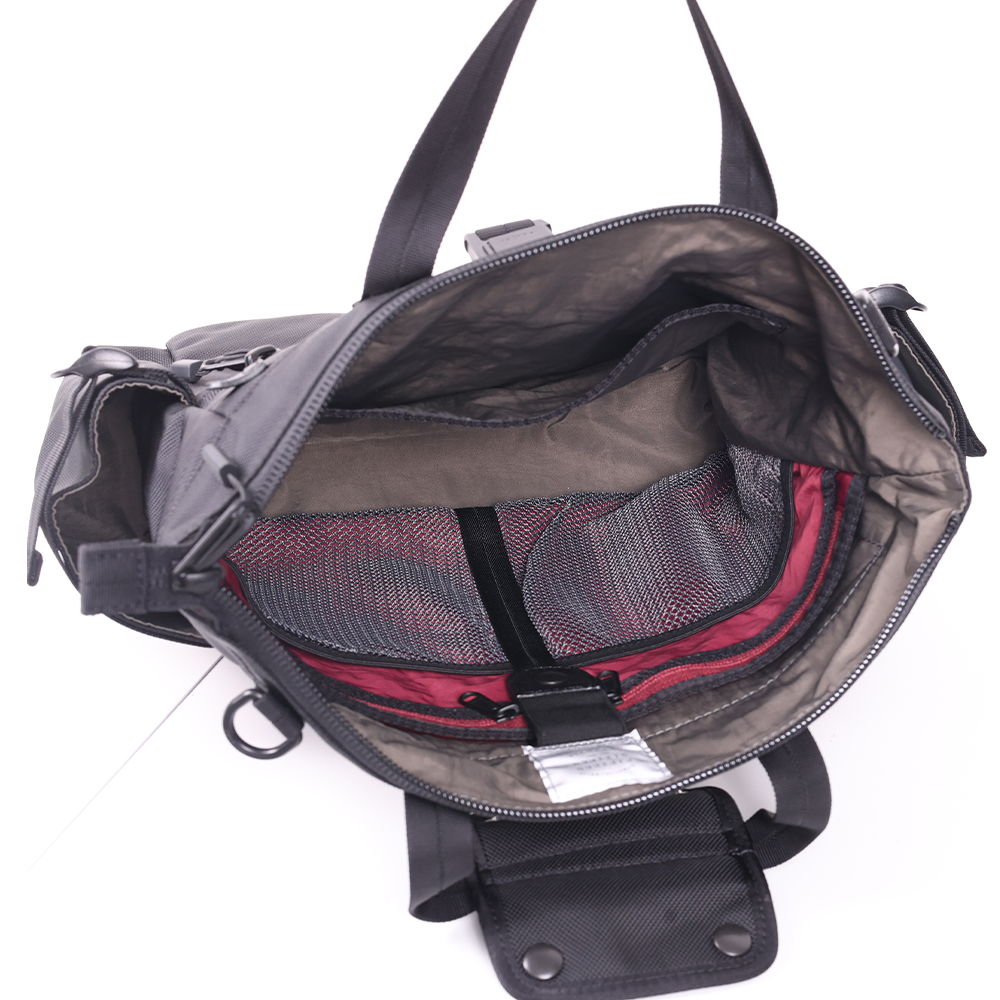
Fit & modular layout
Measure your kit like you measure shoes: snug but not cramped. Check removable inserts, dividers and whether the pack lets you swap layouts on the fly. If you carry multiple bodies and big glass, a modular middle section that converts into separate compartments is the move. Keep a mental checklist: max lens length, body count, and a spare slot for flashes or a gimbal.
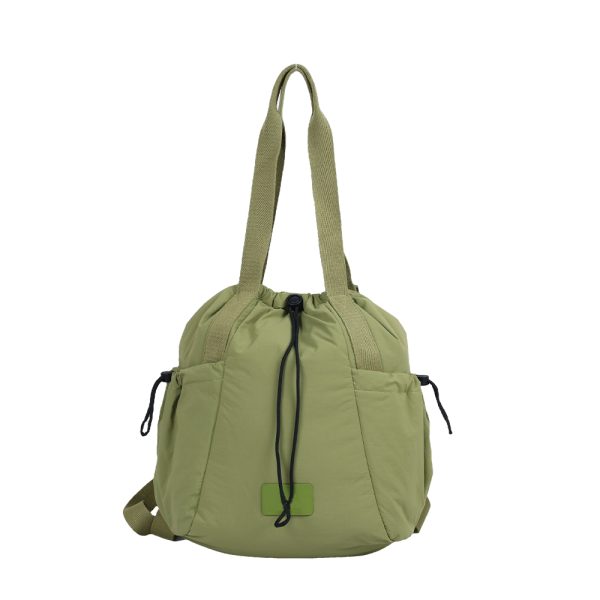
Materials that survive the grind
Look for high-denier nylon or Cordura, sealed seams, and water-resistant zips. Ballistic fabrics and reinforced stitching at stress points keep the pack from shredding at the straps. Padding should be dense but not bulky — gear needs crush protection and quick access without wrestling with foam.
Comfort that keeps you moving
Weight distribution beats looks every time. Padded shoulder straps with sternum and waist straps stop the bag from bouncing on long walks. Test the pack loaded — if it digs into your shoulders or rolls side-to-side, it’s a fail. Venting on the back panel matters when you’re shooting all day under lights or sun.
Access patterns that match how you shoot
Decide how you open: top-loader for quick pulls, rear access for security, sling for one-shoulder swaps. Pockets must match your rhythm — dedicated lens slots, a weatherproof pouch for your phone, and an external tripod carry that won’t scratch your body. Zippers and latches should be smooth, not stiff; metal hardware beats plastic where longevity matters.
Tech features & extras you’ll actually use
Prioritize a dedicated laptop/tablet sleeve if you offload on the go. Built-in cable routing, external USB ports, and lockable zips are nice-to-have, not must-have. Removable straps, low-profile raincovers, and compression straps make the pack work two ways: slim for the city, expanded for trips.
Pitfalls most people trip on
Don’t buy blind: oversized packs without internal structure bury small gear; overbuilt packs add unnecessary weight; cheap zippers and weak clips fail first. Ignore flashy pockets that don’t serve you. Test for real-world use — dump your actual kit in, jog a block, and see how it feels. If it’s awkward loaded, it’ll be a day-ruiner on the road.
Experience, expertise & a real-world anchor
I’ve tested modular packs in studio runs and street sessions, compared specs across brands, and field-trialed gear at events like the PhotoPlus Expo in New York City where pros compare convertible solutions in real time. Trusted testers often favor packs that switch roles fast — a convertible camera bag that flips between backpack and shoulder carry during a day’s shift gives you serious flexibility.
Alternatives worth considering
Messenger bags are slick for single-body shoots and offer fast side access, but they struggle with heavier loads. Slings are compact and quick but lack long-term comfort for full kits. Rolling cases win for travel-sized heavy kit but choke on city mobility. Match the alternative to your workflow, not just the hype.
Wrap: pick smart, carry smooth
Be ruthless: pick a modular camera backpack that fits your kit, protects it, and matches your movement. You want a pack that behaves like a teammate — stows gear fast, keeps you comfy, and survives daily use. That kind of practical reliability is what you find when makers pay attention to real shooters, and it’s the same kind of straightforward value built into ChangRong.