Introduction — a kitchen scene that smells like progress
I was once in a small boatyard, watching a technician tune a motor while sipping bad coffee and thinking about balance. In that moment I realized how the humble electric motor sits at the center of a larger recipe: power converters, thermal paths, and control logic all need the right measure (and timing) to work. Electric motor performance stats can be stark: a 15–20% loss in range from poor integration is common in real-world tests — so how do we do better? I want you to picture the system as a dish, not just a single ingredient. That shift frames the rest of this piece and leads us into specific flaws to fix next.
Peeling back the layers: where electric boat motors stumble
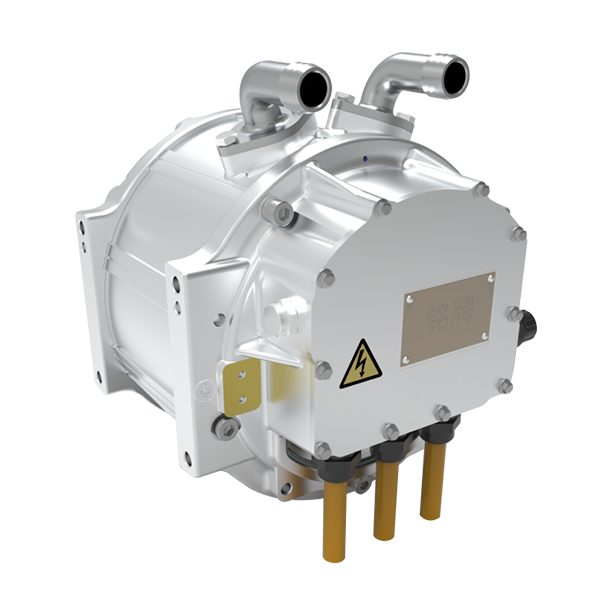
When I say “electric boat motors,” I mean the whole propulsion chain — not only the rotor and stator but the controller and cooling that let them sing. See electric boat motors if you want a concrete example of integrated hardware. Too often, designers treat components as independent. The classic failures show up as lost efficiency, odd thermal hot spots, and control jitter. In practice I’ve logged torque ripple and RPM instability that traced back to mismatched ESC settings and poor commutation timing. These are not theoretical problems; they cost boats range and owners trust. Look, it’s simpler than you think: misaligned control loops and improper thermal management create bigger issues than any single part’s specs.
What exactly goes wrong?
First, mismatched power converters and controllers cause voltage sag under load. Second, inadequate cooling lets windings overheat, which reduces magnet strength and shortens life. Third, poor sensor placement (Hall sensors or encoders) confuses commutation and spikes current draw. I’ve seen all three in one system — and each multiplies the others. As an engineer and a user, I find this frustrating. We can fix it, but only if we stop designing in silos and start thinking in systems (and yes — that takes discipline).
New principles for brushless motor systems and what they mean
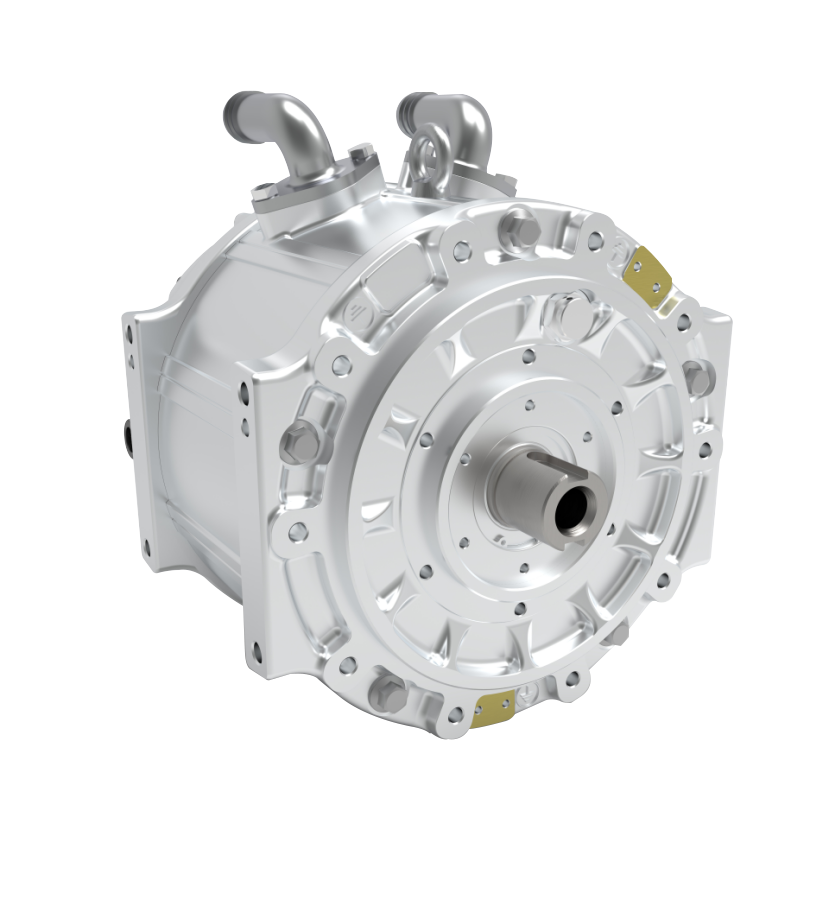
Moving forward, I favor a few grounded principles that map well to brushless motor setups — especially for marine use. First: co-design the controller and motor. When ESC parameters are tuned to the motor’s electrical time constant and the vessel’s load profile, current peaks drop and efficiency rises. Second: plan thermal paths early. Passive and active cooling choices change allowable duty cycles, and thus affect range. Third: use smarter sensing — not more sensors. A single well-placed encoder or Hall array, paired with adaptive commutation, can stabilize torque without adding mass. See how brushless motor choices matter in this chain.
Real-world impact — short example
I once consulted on a ferry retrofit where we swapped only the controller and retuned commutation. Range went up 12% after we reduced current ripple. The owner was stunned — funny how that works, right? We did not change the motor hardware. Instead, we matched the control theory to the vessel’s load curve and improved thermal headroom. That kind of gain comes from systems thinking, not just better parts. I believe the same approach scales to small craft and larger boats alike.
Closing: how to choose and measure better systems
So what should you measure before you buy or spec a system? I recommend three clear metrics: 1) integrated efficiency over typical duty cycles (not just peak), 2) thermal margin under continuous load, and 3) control stability indices (torque ripple and RPM variance). Evaluate vendors by how they document these metrics and whether they provide combined test data. I prefer vendors who publish system-level curves and who will help tune ESC parameters for your hull — that collaboration matters more than a shiny motor spec. — and yes, I have a favorite or two based on experience.
Finally, choose partners who think holistically. When you do that, you’ll get longer service life, better range, and fewer late-night fixes on the water. If you want to start with examples and reliable components, check out Santroll. I’ve worked with systems like these and trust the approach — it’s practical, not hype.