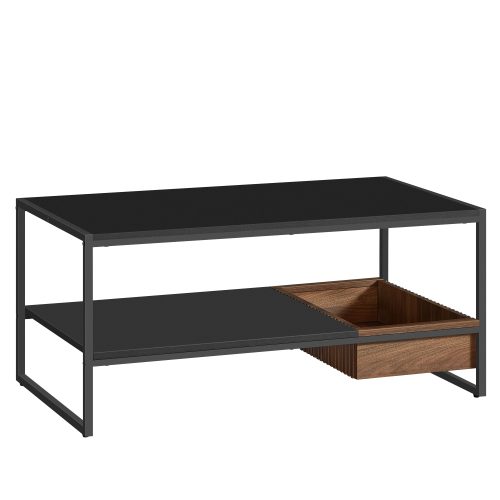
Why Your Next Coffee Table Deal Needs More Than a Pretty Mockup
Here’s the truth: timelines slip when details slip. Many buying teams feel that sting in the last mile. Coffee table manufacturers sit at the center of that pressure, bridging style, cost, and reliability. You’re setting a launch date, your display window is booked, and freight is already on a tight lane—then a small mismatch in finish or carton spec throws it all off (pois, it happens). Choosing the right coffee table supplier is where the real risk sits, not the catalog page. Industry audits suggest that when gloss control is loose, finish variance can jump to double digits, and returns follow. So, how do you avoid that wobble before it starts—funny how that works, right?
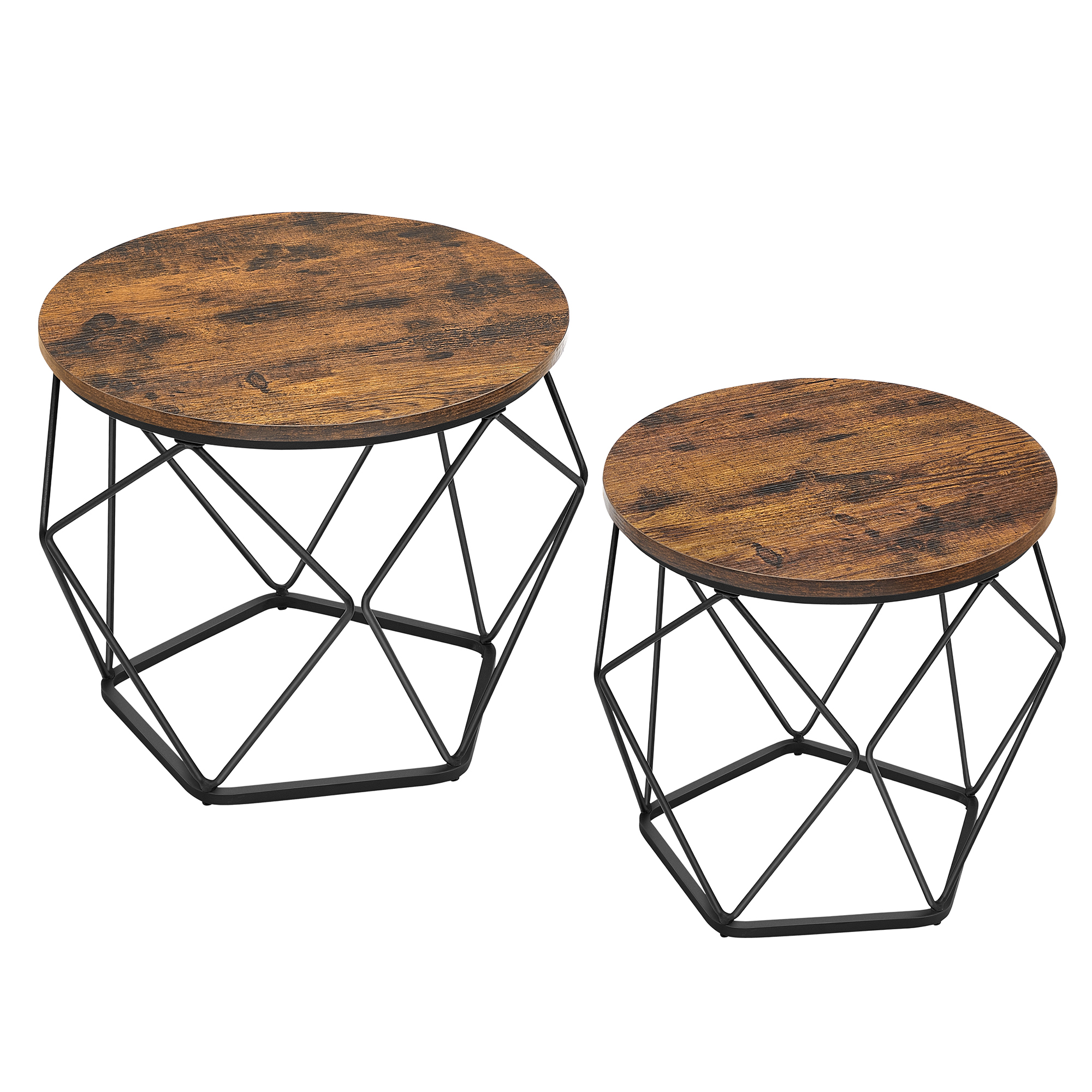
Let’s keep it smooth and simple, tudo bem? Picture a compact rollout with 80 stores and a 12‑week window. You think it’s solid. But lead time buffers evaporate when packaging drops fail or when wood moisture is off by a few points. The question is not “Who has the prettiest sample?” It’s “Who keeps you on shelf, on time, and on cost?” Let’s step into the real checks that separate good from lucky.
The Hidden Friction Points Most Teams Miss
What quietly breaks your margins?
Look, it’s simpler than you think—until it isn’t. The first trap is BOM drift. One fiberboard spec in the RFQ, another in the production run. When E0 MDF becomes a lower grade, your weight, machining, and edge sealing change. That’s where CNC routing tolerances and joint fit start to shift, and your team sees “minor” touch-ups that eat the margin. Add a veneer layup that isn’t balanced across the core and you’ll watch tabletops cup after a few humidity swings. A UV‑cured finish helps, yes, but only if cure time and lamp intensity are documented, not guessed.
The second trap is test discipline that looks neat on paper but loose in practice. A drop-test claim means little if the sample carton came from a different run than the mass lot. Ask how they lock QC inspection to line speed—are pull rates the same during OT shifts? Also, what’s the stated load‑bearing rating, and how is it verified per batch? Teams forget that carton kitting and foam density matter as much as a powder‑coated frame. When packaging engineers sit with production early, rework drops. When they don’t, damage spikes—and customer reviews do the rest.
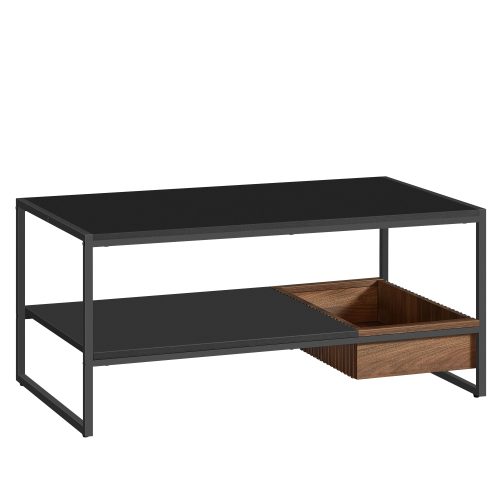
From Today’s Checks to Tomorrow’s Advantage
What’s Next
Here’s a forward look with a practical twist. A mid-size retailer moved from reactive testing to process-traceable builds across two regions. Instead of waiting for defects at intake, they required line-side photos tied to station IDs, plus scanable labels mapped to cartons. They didn’t ask for magic; they asked for proof. Their vendor also shared pre-shipment variance data on color and gloss, so exceptions were flagged before loading. When they shifted their replenishment to coffee tables wholesale, they kept the same controls and cut claim rates by a third. Small changes, big stability—funny how that works, right?
Now compare two factories. Factory A has ISO 9001 on the wall, yes, but no real-time checks. Factory B runs the same certificate but adds live fixture gauges for leg alignment and keeps a digital trail of torque settings on fasteners. Factory A sends glossy photos; Factory B sends torque charts and carton compression results. One sells hope; the other sells evidence. As you scale, evidence travels better than promises. It keeps store resets calm, and it lets planning hold shorter buffers without fear. And when you’re pricing coffee tables wholesale, that steady-state reliability is what keeps your total landed cost honest.
Advisory close, nice and clean: Three metrics to anchor your supplier choice. 1) Process capability that you can see—tolerance control on CNC routing, finish variance logs, and repeatable torque specs. 2) Packaging resilience under speed—line-speed drop tests, carton compression baselines, and consistent kitting. 3) Traceability you can audit—scan paths from parts to cartons, with batch-level corrective actions documented. Keep these three steady, and your assortment stays steady too. For teams who value craft and proof in equal measure, SONGMICS HOME B2B is part of the same conversation.