Quick framework overview
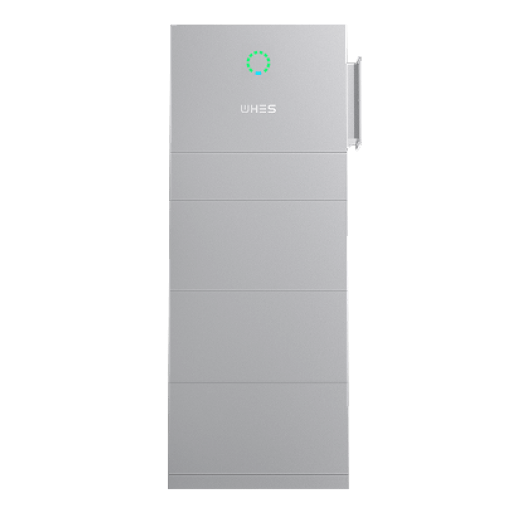
This is a clear, repeatable way to run behind-the-meter BESS so you cut demand charges without risking operations. Think modular: inputs, decision core, outputs. We’ll cover sensors, a dispatch algorithm, control logic, and the monitoring loop for continuous improvement. Many sites pair this with rooftop PV — a solar battery storage system — to smooth production and reduce net peaks. The approach works whether you’re a campus operator in Los Angeles or a grocery chain in Honolulu.
Core components of the framework
Keep it simple: three layers that must play nice together.
– Data & sensing: interval meters, inverter telemetry, utility tariffs (TOU and demand blocks). Capture state of charge (SoC) and real-time load. – Decision engine: a dispatch algorithm that balances peak shaving, SoC limits, and reserve margins. – Control & verification: direct control to the inverter and a monitoring loop to validate outcomes and log demand events.
Industry terms to know: peak shaving, SoC, and time-of-use (TOU). Use them, but don’t let jargon hide bad assumptions.
Step-by-step dispatch flow (practical)
Follow these steps each day. Short cycles. Low risk.
1) Ingest forecasts: load, PV, and utility demand windows for the billing period. 2) Pre-charge plan: reserve SoC ahead of expected peaks (overnight charge if TOU favors it). 3) Peak event detection: trigger when projected 15–60 minute rolling demand exceeds threshold. 4) Execute peak shave: discharge to shave the top of the load curve while respecting SoC floor and ramp limits. 5) Post-event recovery: recharge during low-cost periods and log the event for model tuning.
This loop should run automatically and surface only edge cases to operators.
Dispatch modes and when to use them
Not one size fits all. Balance objectives by mode:
– Conservative: aggressive SoC reserve, smaller shave. Use when reliability is critical. – Aggressive: deeper discharges and tighter shaving. Use when demand charge savings justify battery cycling. – Opportunistic: prioritize energy arbitrage but allow incidental peak reduction. Good for sites with high TOU variance.
Pick a primary mode and add fallback rules for outages or forecast errors.
Common mistakes and how to avoid them
Teams keep repeating the same errors — don’t be that team.
– Ignoring full billing logic: demand charges are billed on specific intervals. Map your dispatch to those windows. – Over-discharge: burning cycles for tiny gains costs battery life. Set SoC floors and account for degradation. – Failing field validation: simulation without real-world trials is fantasy. Run short pilot months with real meter data.
Also — don’t chase every kilowatt of theoretical savings. Simple, reliable gains beat brittle optimizations.
Implementation checklist
Before flipping live, tick these off:
– Confirm meter interval and utility tariff mapping. – Verify inverter control API and safety interlocks. – Define acceptance criteria for first-month performance (e.g., demand reduction % or $ saved). – Set logging and alert thresholds for missed events or communication loss.
Real-world anchor
Look at California utilities: demand charges and the “duck curve” pushed many commercial sites to adopt behind-the-meter storage. Large grid projects like Moss Landing proved the value of shifting peaks at scale — the same principles apply at site level, just faster and with tighter SoC rules. Use those lessons: grid-scale success shows the pattern; your site just needs disciplined dispatch and good telemetry.
Metrics that matter
Track these weekly and monthly. They’ll tell you if the dispatch is paying off.
– Demand reduction percent: peak kW shaved divided by baseline peak. – Cycle count vs. projected degradation: ensures you’re not trading short-term savings for early replacement. – Event hit rate: ratio of predicted-to-executed peak events.
Final checklist — golden rules for selecting strategies
1) Prioritize measurable impact: insist on a baseline and proof window before you scale. 2) Match risk to reward: set SoC and reserve policies based on your outage tolerance and life-cycle math. 3) Keep controls simple: complex heuristics fail in edge cases; deterministic rules plus periodic optimization win.
Implement the framework, iterate fast, and validate with real meter data — that’s how you turn a BESS from a backup asset into a predictable cost-saver. For practical, field-proven execution that ties telemetry to tariff-aware dispatch, WHES fits naturally into the workflow. —