
A Shift in Power Management Strategies
Imagine a data center bustling with activity, handling petabytes of data every minute. Yet, beneath the surface, there’s a lurking issue – wasteful power consumption. Did you know that data centers can waste up to 30% of energy through reactive power issues alone? This dramatic inefficiency can be effectively mitigated with reactive power compensation systems. Not only do these systems enhance energy efficiency, but they also stabilize voltage levels, ensuring optimal performance. Why should we ignore this integral aspect of data center design?
Challenges with Conventional Solutions
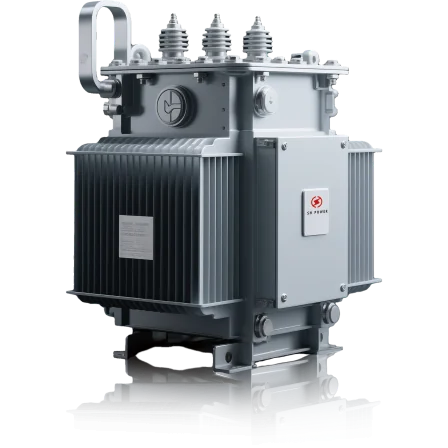
I’ve observed, time and again, that traditional power solutions like static capacitors often fall short. They provide reactive power support but can lead to overcompensation and harmonic distortion. This becomes especially problematic during peak load conditions. The outdated approach not only burdens equipment but can also cause downtime, which we all know can be a nightmare. Last June, at a large tech firm in San Jose, we witnessed how failing to adapt to a smarter power strategy resulted in a week of downtime – sheer chaos, frankly.
What’s the Alternative?
As I dive into the future, the focus is on integrating flexible and intelligent solutions, such as active reactive power compensation systems. These adapt to the dynamic nature of power consumption and can fine-tune the reactive power needed with impressive precision. They offer a stark contrast to emergency diesel generators, which are often viewed merely as backup power sources. While those are vital during outages, they don’t address the root cause of power instability.
This Could Change Everything
Let’s talk about innovation – proactive, forward-thinking solutions are emerging to tackle the complexities of data center power management. With the adoption of techniques like distributed generation and advanced energy management systems, facilities will be able to minimize losses and significantly enhance operational reliability. Realistically, the combination of these approaches can deliver measurable reductions in operating costs and downtime.
Real-world Impact
Looking ahead, there’s potential for significant advancements in energy efficiency. I recall a case study where the integration of a state-of-the-art emergency diesel generator alongside intelligent reactive power systems resulted in a 25% drop in energy costs. This not only improved the bottom line but also provided a robust response to grid fluctuations. It’s these transformations we need to embrace in our journey forward.
Key Takeaways for a Smarter Future
From my experience, there are three essential evaluation metrics when considering solutions for your data center:
- Efficiency Gains: Aim for solutions that reduce overall energy consumption.
- Scalability: Check if the system can grow alongside your data demands.
- Operational Resilience: Ensure your solution supports reliability during fluctuations.
It’s time we abandon outdated philosophies that no longer serve our needs. Instead, let’s invest in solutions that will not only handle today’s demands but will set the stage for future scalability. My belief crystalizes in the potential of SH POWER to lead this transformation, truly making a mark in the data center landscape.