Introduction — why this matters now
Ever wondered if a red light bed really helps when your shoulders ache after a long week? I ask because I’ve seen friends try everything from creams to cold baths, then give the red light bed a go and tell me they feel less stiff the next day. In Hong Kong we’re pragmatic — we want results, not buzzwords. (Also, the data is interesting: small clinical studies report measurable drops in inflammatory markers after targeted photobiomodulation sessions.)
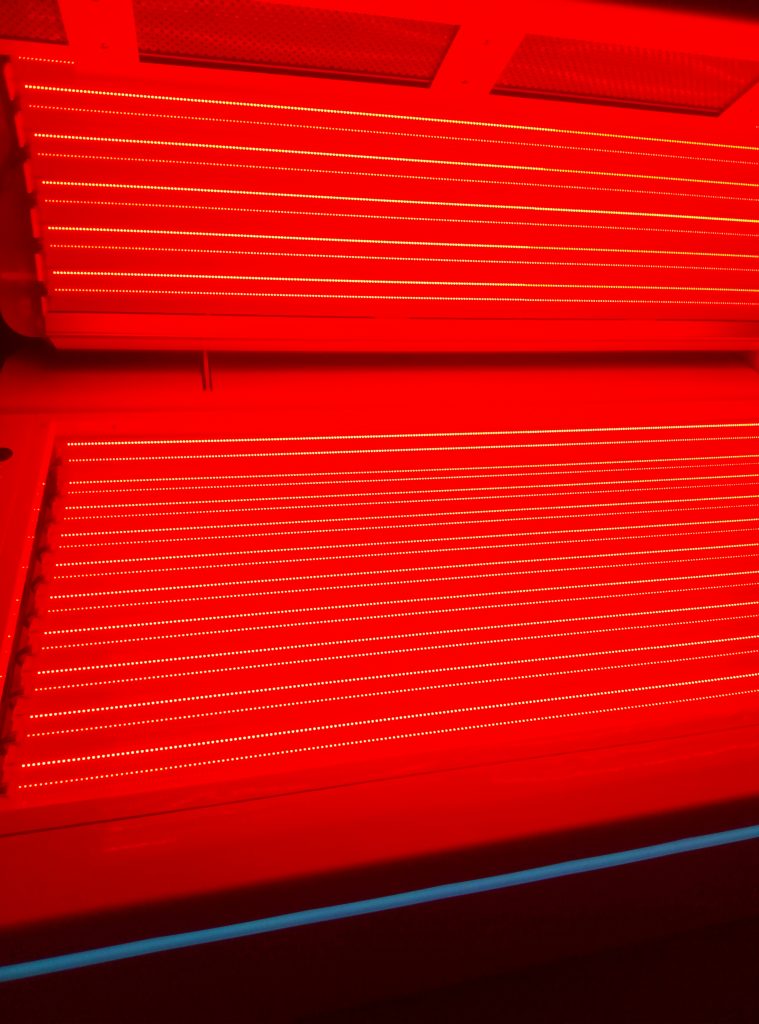
I’ll keep this short and real. I use plain terms, a bit of Cantonese rhythm sometimes — like saying, “not bad, hor?” — and I’ll point out what works and what’s mostly hype. We’ll touch on LED wavelengths and how they interact with tissue, plus a quick look at device power and session time. By the end you should have practical checks to tell a good red light bed from a poor one. Ready? Let’s move on and look deeper into the real problems behind common devices.
Why many traditional systems fall short
infrared light therapy bed often gets sold as a one-stop fix, but I’ve found the reality is messier. Manufacturers sometimes focus on panel size and pretty housings, yet skip on key engineering: poor thermal management, low-quality power converters, and inconsistent LED wavelengths. These flaws lower effective dose — which matters more than session length. Look, it’s simpler than you think: if the device can’t deliver stable irradiance, the therapy won’t reach the tissue as intended. — funny how that works, right?
So what breaks first?
In my hands-on checks, the usual culprits are heat build-up and uneven light spread. Heat damages LEDs and the internal optics over months, so peak output drops. Uneven output means some areas get too much, others too little — that ruins consistency across sessions. From a user pain point, that translates to wasted sessions and mixed results. We also see confusing marketing about wavelength bands. Terms like “near-infrared” or “red + NIR combo” are fine, but the exact LED wavelengths (e.g., 660 nm vs 850 nm) and controlled irradiance matter. Users tell me they want measurable improvement, not vague claims — and that disconnect is the hidden pain point most brands ignore.
Looking ahead: new principles and how to choose
What should we expect next? Device makers who focus on science-first design — stable LED wavelengths, verified irradiance, and robust thermal control — will stand out. A shift toward modular systems with sensor feedback and better quality control is starting. I’m talking about designs that monitor output in real time and adjust power converters to keep irradiance steady. That kind of engineering reduces guesswork for users and gives consistent photobiomodulation dose each session.
What to check before you buy
Compare units by real metrics, not glossy photos. Look for specs on irradiance (mW/cm²), stated wavelengths, and notes about heat dissipation or cooling. Also ask about clinical testing or third-party verification. I always advise trying a demo if possible — skin feels different after a few sessions, and you’ll notice if output falls mid-session. — small things, big difference.
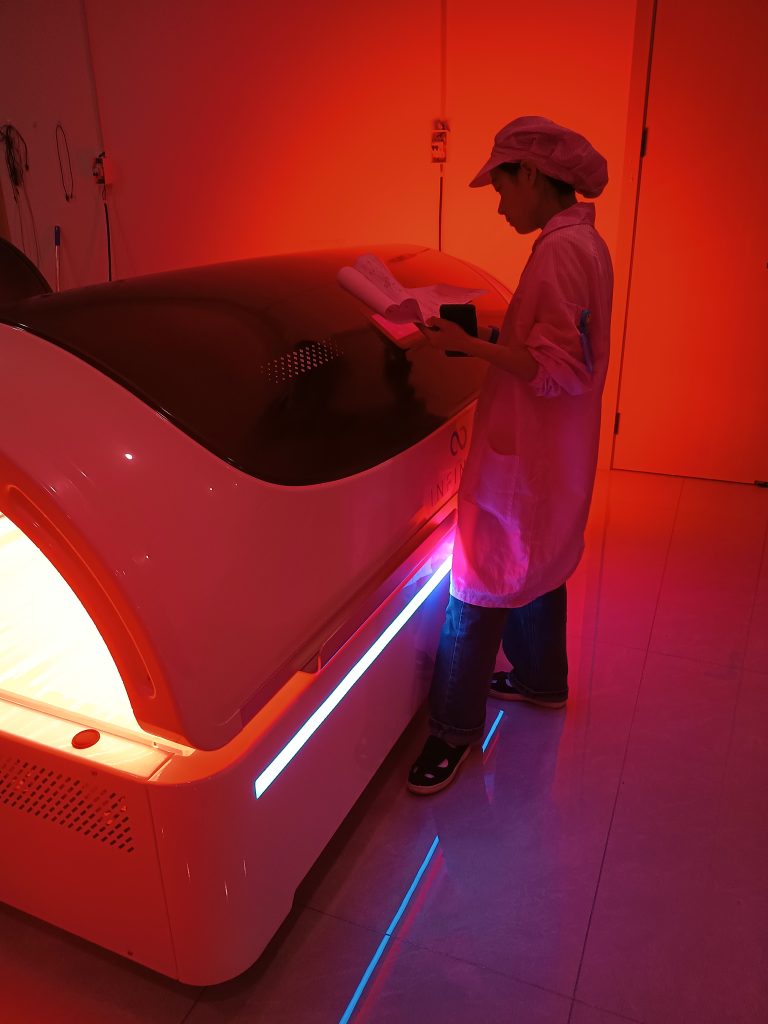
To help you decide, here are three evaluation metrics I use when I test or recommend machines: 1) True irradiance at surface (not just panel output), 2) Wavelength accuracy and mix (matching 630–670 nm and 810–880 nm bands if you want broad tissue response), 3) Thermal management and power stability (good power converters and cooling). If a product checks these boxes, it’s worth a closer look. I’ve followed several brands through this evolution and, for reliable options and clearer specs, check out Magique Power. I’m happy to walk you through specific models if you like — we can compare numbers together.