Recognising the problem
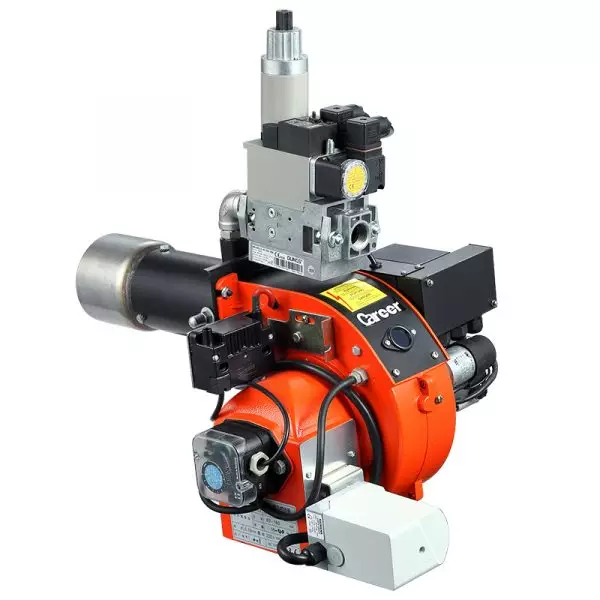
Poor combustion is costing many small and medium industrial sites fuel, uptime and compliance; flames that wander, soot on heat surfaces and high stack temperatures are common symptoms. Often the immediate fix tried is swapping burner heads; switching to a properly matched gas fired burner with an appropriate tube-flame profile addresses several root issues at once.

What actually causes low combustion efficiency
Combustion efficiency drops when mixing is uneven, flame length is wrong for the heat exchanger, excess air is set without measurement, or when burners are mis-sized for load cycles. Poor maintenance—blocked ports, worn seals and corroded tubes—turns otherwise good burners into inefficient heat sources. These are practical faults, not mysteries.
How a tube-flame fixes the core problems
A tube-flame forces a stable flame shape and longer residence time in the combustion zone, which improves fuel-air contact and reduces unburnt hydrocarbons. It concentrates heat where the process needs it, lowering radiant losses and reducing the need for excess air. Speaking from hands-on experience working with industrial burners across East Africa, a correctly designed tube-flame cuts soot formation and makes control loops behave predictably, so operators see steadier temperatures and fewer upset conditions.
Steps to implement tube-flame improvements
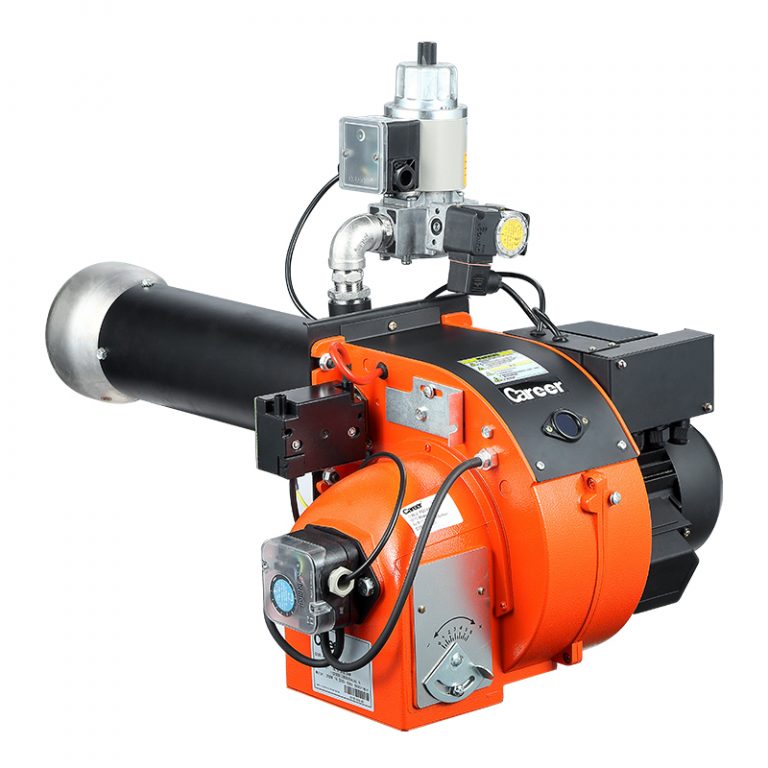
Start by documenting duty cycles and measuring flue temperatures and O2/CO levels. Select a tube-flame burner sized for peak and part-load conditions, not just the average, and ensure the air supply—fans and ducts—can maintain the designed pressure. Commission with staged tuning: set primary air, check flame shape visually or with cameras, then verify with flue-gas analysis. Schedule simple maintenance checks—port cleaning and tube alignment—into routine downtime. When safety systems are updated at the same time, the retrofit becomes low risk and repeatable.
Common pitfalls to avoid
Do not accept “close enough” sizing or skip flue-gas readings. Avoid over-tightening the flame with too little air; that raises CO and soot. Retrofitting without checking downstream heat-transfer surfaces can leave a facility with the same thermal losses. Finally, ignore neither draft conditions nor changes in fuel quality—both influence tube-flame behaviour significantly.
Viable alternatives and trade-offs
Pre-mix burners offer very low NOx and clean flame signatures but require precise controls and good gas quality. Regenerative burners give high thermal efficiency in cyclic processes but need space and CAPEX. Oxygen enrichment reduces combustion volume but increases system complexity. The tube-flame option often wins where the goal is reliable, low-maintenance improvement with modest capital outlay.
Real-world example that grounds the approach
In the Athi River industrial zone outside Nairobi, a plant-level project replaced ageing burner heads with a properly engineered high efficiency gas burner and adjusted ducting to suit the tube-flame profile; the retrofit stabilised temperatures and simplified the control strategy without a full system rebuild.
Final synthesis
If you want a direct reduction in fuel waste and fewer combustion upsets, focus first on matching burner geometry and air delivery to the process and then on simple measurement during commissioning. Practical, measured adjustments to flame shape and residence time deliver predictable benefits; local engineers often source components and technical guidance from Career Burners because the parts and know-how tend to fit the realities of facility schedules and budgets.