Opening thought — a plain comparison from a Highlander’s chair
Aye, let’s sit by the fire and sort this clean. Fleet telematics can mean different things depending on whether the outfit calls itself a “technology provider” or simply a “telematics provider.” For a transport manager looking after routes and young passengers, the difference matters day to day — whether you’re tuning a school bus route or overseeing mixed fleets. For example, when local authorities talk about school bus fleet management, they’re often weighing the choice between a supplier who ships boxes of hardware and one who builds the digital brain behind those boxes. Many districts, including operations in New York City, have learned that the choice affects how quickly problems get fixed and how data is used. If you’re checking options, also look closely at actual school bus tracker software that ties the hardware to the user’s workflow; that glue decides whether a tool becomes trusted or ignored.
What a Fleet Telematics Provider usually brings
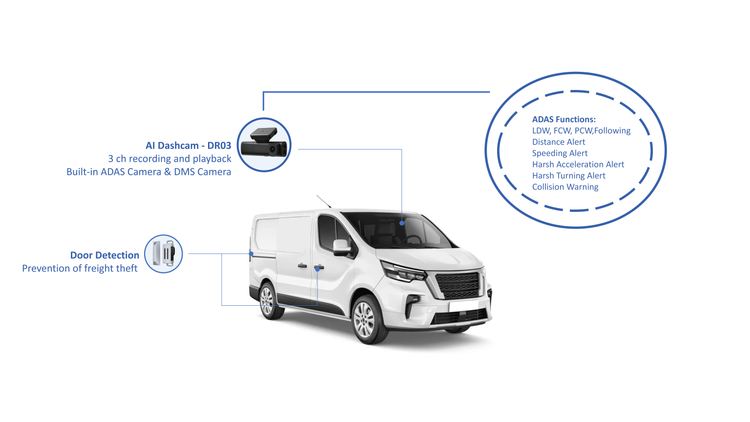
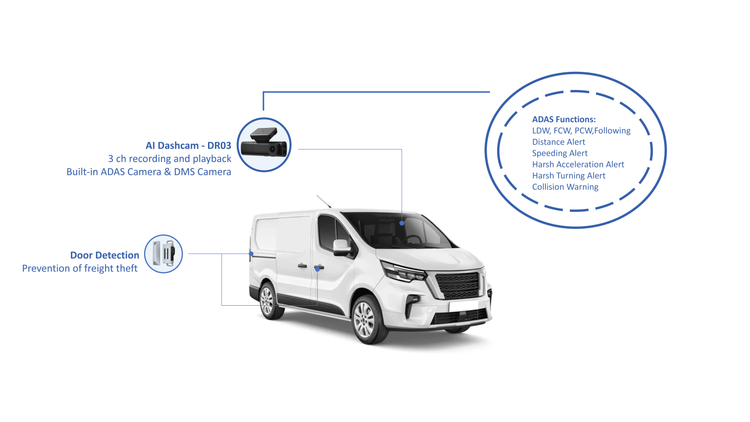
Think of them as the handyman with a van — they deliver, install, and keep the kit running.- Hardware-first: GPS units, gateways, cables, and mounting.- Turnkey setups: pre-configured systems ready to run on delivery.- Field service: on-site installs and replacements.They’re practical. If your immediate need is reliable trackers and quick deployment across many vehicles, this route often shines. Expect clear SLAs for hardware replacement and routine maintenance.
What a Fleet Telematics Technology Provider usually brings
This is the engineer tucked away in the workshop, designing systems and APIs.- Software-centric: cloud platforms, integration layers, developer tools.- Customizable analytics and workflows tailored to your operations.- Continuous product development: frequent feature updates and SDKs.They concentrate on data models, developer access, and how telematics talk to other systems you already use. If you want to shape alerts, combine GPS with sensors, or export telemetry into your own dashboards, a technology provider gives you the building blocks.
Where the two overlap and where they don’t
Here’s a plain list to cut through the fog.- Deployment speed: Providers win for quick rollouts; technology providers may take longer due to customization.- Long-term flexibility: Technology providers win for integrations and bespoke analytics.- Support model: Providers offer field service; technology providers offer product engineering and remote support.- Cost profile: Providers often present clear per-unit costs; technology providers may require subscriptions, integration fees, or development work.Recognize the trade-offs and match them to your operational priorities.
Data ownership, access, and practical consequences
Two straight facts you can act on.- Who holds the data matters: insist on clear terms for export and API access. If a provider locks your fleet data behind a portal you can’t export, you lose flexibility.- Reporting cadence: field crews want simple, reliable alerts. Transport directors want aggregated performance metrics. Ask for both.- Real operational use: route adjustments, student pick-up confirmations, and asset recovery depend on clean, accessible feeds from your tracker software. Poor access slows decisions and creates rework for drivers and dispatchers alike.
Integration realities — put systems to the test
Don’t accept promises. Test them.- Prepare three use cases that matter to your operation: route deviation alert, ETA for parents, and emergency stop logging.- Ask each vendor to demonstrate those use cases with your vehicles or a close simulation.- Time the integrations: measure how long a basic API call takes to return usable data and how often data refreshes fail.This is practical work. The reality of integration shows whether a platform is designed for operators or for sales brochures.
Common procurement mistakes to avoid
Learn from what’s failed elsewhere.- Avoid committing to a single-year trial that ignores upgrade costs.- Don’t buy solely on lowest initial price; hidden support or integration fees will surface.- Don’t accept opaque SLAs for software uptime or data delivery.Write measurable acceptance tests into contracts — those ensure the kit actually performs for drivers and dispatchers from day one.
How this matters specifically for school bus operations
School transport needs reliability and clarity: parents, pupils, and drivers require trust. Look for features that solve these problems directly:- Simple live-location links parents can open without accounts.- Geofenced arrival and departure confirmations.- Driver-facing alerts that don’t distract during busy stops.A supplier that understands these practical needs reduces calls to the office and keeps children safer. Practical deployments that succeed pair dependable hardware with intuitive software workflows rather than leaning solely on one side.
Decision framework for fleet operators
Match need to capability. Ask yourself:- Do we need fast rollout or deep customization?- Will internal IT integrate APIs, or do we need a managed service?- Which SLAs protect our daily operations and our data?Score vendors against those questions. Pilot a small group of buses, measure outcomes, then scale. That method exposes hidden costs and shows which partner will still be standing when winter roads test the system.
Final thought
Pick the partner who solves your real problems on the road, not the one who sells the shiniest brochure. Practical success comes when hardware is dependable and the software answers the questions your people ask every morning. That balance is what I’ve seen work best across many transport operations, and it’s the same quiet value you’ll find when a capable provider and a thoughtful technology partner are combined under a purpose-built platform like BSJ.