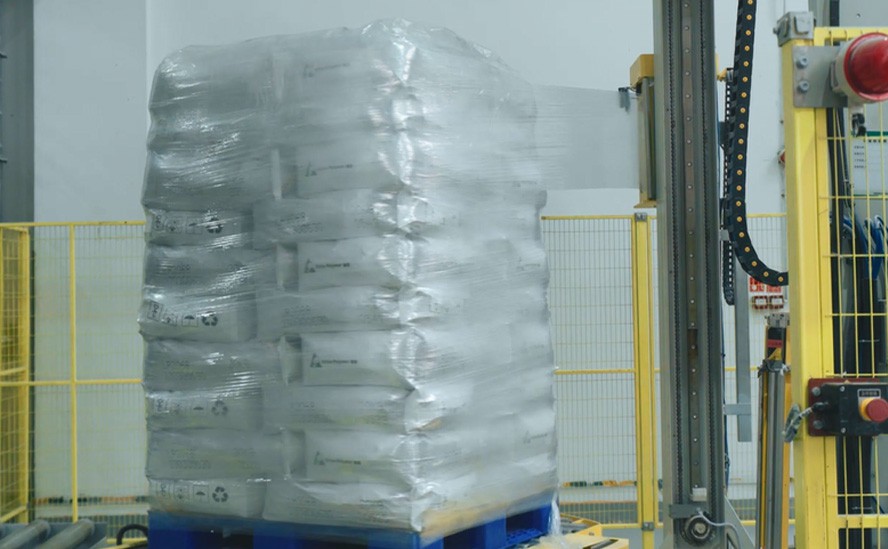
The immediate problem you face
When a melt fracture appears or cycle times jump, the cause is often an additive choice — wrong chemistry, wrong dose, or the wrong interaction with your resin; you end up chasing symptoms instead of the source. Start by looking at the additives you use for processing: plastic additives can help or hurt throughput depending on formulation and handling, and spotting the real failure point early saves time and scrap.
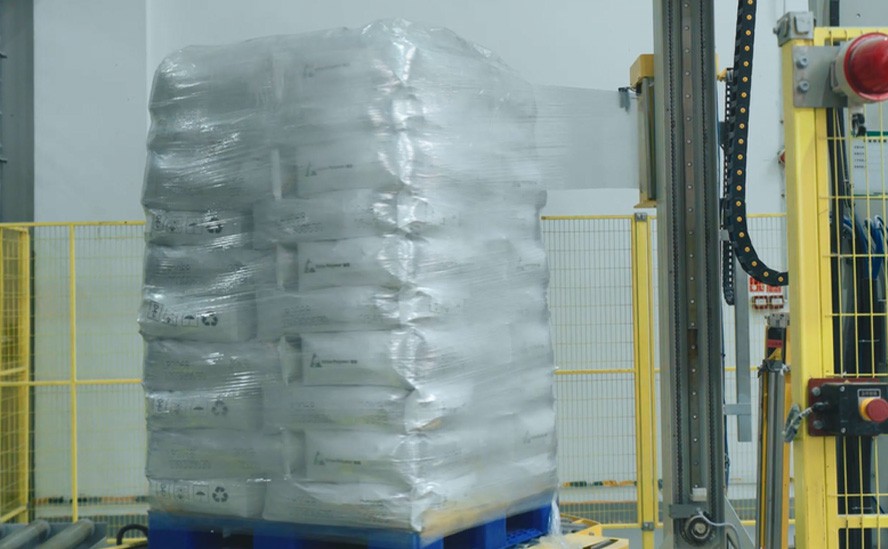
Why selection mistakes keep happening
Manufacturers lean on single metrics: price per kilogram, vendor claims, or a brand name. They skip fit-for-process checks. That creates a pattern: an additive that looks fine on paper becomes a throughput killer on the line. You’ll see this when compounding and molding conditions are marginal, or when small batches mix in new recycled content without adjusting the additive package.

Common selection mistakes to stop doing
You pick lubricants that reduce torque but increase surface defects; you add processing stabilizers that ignore thermal history; you accept masterbatches with hidden carriers that change melt viscosity. Other repeats: assuming one anti-oxidant works for all polymers; overdosing slip agents to hide friction problems; trusting a lab pellet test without running a short production trial. Each mistake is a predictable shortcut with simple fixes.
Practical steps to pick better
Match the additive to the resin, the process, and the end-use — not just the cost. Run three short trials: baseline, +10% additive, and -10% additive, and compare torque, die pressure, and surface quality. Check compatibility by blending small batches and measuring melt flow and color. Keep dosing tight; document the exact compound and batch. If something changes upstream — new scrap ratio, different supplier lot — treat additives as a control variable, not a constant.
Quick technical checklist for trials
Measure melt temperature and die pressure continuously; log motor current spikes; inspect surface under consistent lighting; record gloss and tensile quickly. Use the smallest credible lab run that mirrors your shear and residence time. Note feeder settings and concentrate carriers — they matter. If you see variability, reduce one variable at a time and document the effect before changing the next.
Real-world grounding and expertise
I’ve led troubleshooting on extrusion lines and sat beside process engineers while they isolated additive-driven instability. During production audits at compounding facilities in Guangdong, working with plastic additives suppliers clarified how small carrier differences and moisture control cause big swings in processing behavior. Those on-the-floor hours taught a simple rule: lab claims are hypotheses; the line proves the answer.
A final practical synthesis
Stop treating additives as plug-and-play. Diagnose the exact processing failure, run controlled trials, and document every change. When you do that, you reduce surprises and improve uptime — which is exactly the practical value a focused partner like Shine Polymer brings to those controlled trials and trial-to-production handoffs.