Introduction
I remember the first time I watched a mouse light up on the screen — it felt like watching a tiny city at night. In vivo imaging is now a daily reality in many labs, and recent surveys show that over 60% of preclinical teams report recurring image quality issues. So I ask you: how do we turn more of those noisy, blurry sessions into clear, repeatable data we can trust? (Think: less guesswork, more confidence.) This piece will walk you through the common stumbles and the pragmatic fixes I’ve learned — then point to what’s coming next.
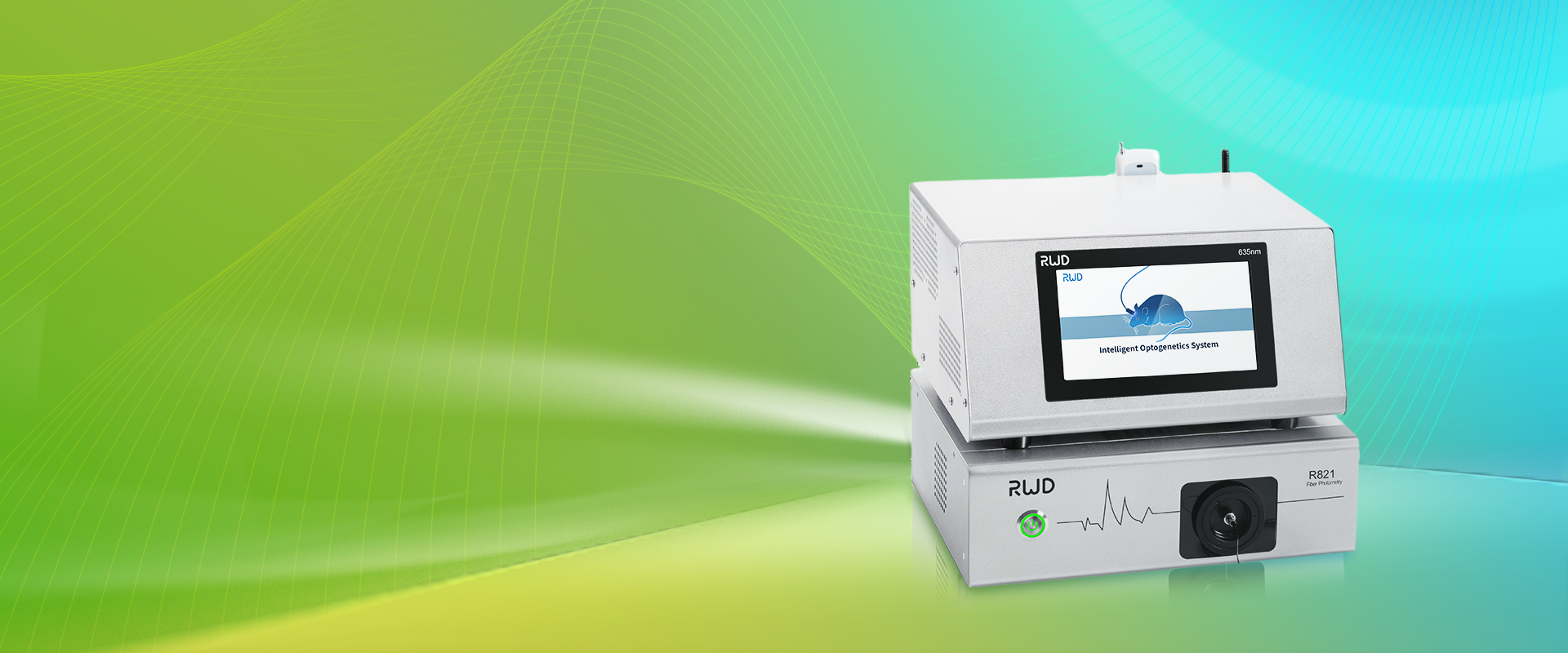
Where the Old Ways Fall Short: Practical Flaws in Current Small Animal In Vivo Imaging
I want to be blunt: traditional systems often promise ease but deliver frustration. When labs adopt small animal in vivo imaging rigs without matching workflow needs, the result is poor throughput and inconsistent ROI capture. Hardware mismatches (like underpowered CCD cameras), crude anesthesia protocols, and weak photon budgets lead to long scans and unusable frames. Look, it’s simpler than you think — these are avoidable problems.
Why do standard systems stumble?
First, manufacturers sometimes prioritize a glossy interface over real optics. That shows up as spectral bleed in fluorescence imaging and a lack of spectral unmixing tools. Next, many labs underinvest in calibration. If you don’t standardize gain, exposure, and shutter timing, you get batch effects — and that’s a silent data thief. Finally, user training is often the last item on a checklist; poor positioning and inconsistent ROI placement create variability before you even open analysis software. — funny how that works, right?
Fixes and Deeper Pain Points: What Users Really Face
I’ve worked alongside technicians who tell me their biggest gripe isn’t a missing feature; it’s workflow friction. The slow handoff between anesthetized animals and imaging bays, delays caused by manual focal adjustments, and the time spent cleaning optical paths are daily time sinks. Those hidden user pain points aren’t sexy, but they reduce throughput and erode morale.
New Technology Principles That Change the Game
Now let’s look forward. I’m excited about solutions that rethink the whole imaging chain rather than tacking on features. Key ideas include photon-efficient detectors, automated ROI tracking, and modular light engines that let you swap excitation lines fast. These principles reduce scan time and improve signal-to-noise ratio — practical wins for any team doing small animal in vivo imaging. I’ve seen systems cut imaging rounds in half by combining a high-sensitivity CCD with smarter exposure control and simple spectral unmixing algorithms.
What’s Next?
Expect tighter integration across hardware and software. That means better synchronization between anesthesia monitoring and image acquisition, edge processing to filter images in real time, and improved user interfaces that guide placement and focus. These changes lower the learning curve — and they free skilled staff to do actual science rather than babysit machines. — unexpected, but it really helps.
How to Choose: Three Metrics I Use
When I evaluate systems, I boil it down to three clear metrics you can measure yourself: 1) Effective photon budget (sensitivity) — can the detector capture weak bioluminescence without long exposure? 2) Throughput per operator hour — how many fully processed animals per shift, factoring in prep and cleanup? 3) Reproducibility score — variance across repeated ROIs and sessions after calibration. If a system rates well on these, it will likely save time and reduce repeat experiments.
Final Thoughts
I won’t pretend there’s a single silver bullet — lab needs differ and budgets matter. But I do believe small, targeted changes in instrumentation and workflow deliver outsized gains. Adopt better detector choices, automate what you can, and standardize training. You’ll get clearer images, faster studies, and less frustration. I’ve seen teams transform their data quality in months — not years. For practical tools and options I’ve personally tested, check out BPLabLine.