Introduction — a bedside scenario, some numbers, and a question
I remember a late clinic shift when a perfusion map looked convincing but the surgeon still hesitated — that moment stuck with me. In many labs today, laser speckle contrast imaging lsci is used to gauge blood flow at the bedside, yet published checks suggest up to 20–30% variation between sessions in routine setups. So what really undermines confidence in those pretty maps — instrument limits, user practice, or both? (We’ll get to that.)
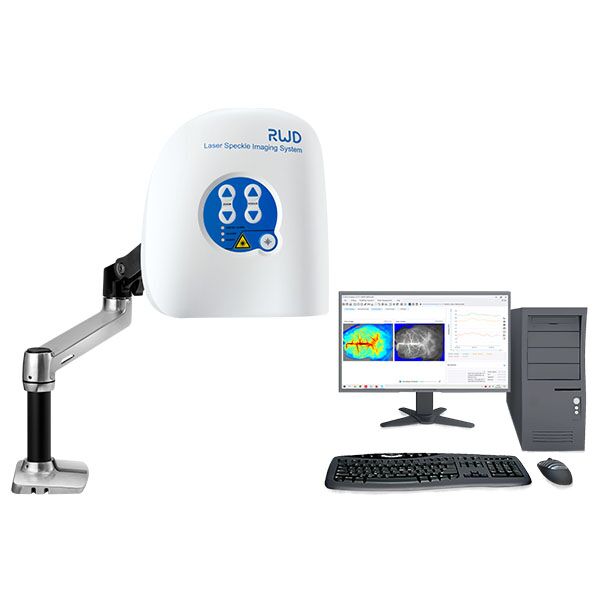
Let me be clear: I care about usable data. Speckle contrast images can save decisions and time, but only if we know their weak spots. I’ll walk through where things commonly fail, why the practical pain points persist, and how to tell a robust setup from a fragile one. Next, we’ll dive into the technical reasons behind the flaws and the real user troubles that often hide in plain sight.
Deeper layer: Traditional solution flaws and hidden pains
laser speckle contrast imager setups often promise plug-and-play simplicity, but in practice they demand careful choices at every step. I’ve observed two recurring problems: over-trusting default software parameters and ignoring optical constraints like coherence length and camera exposure. In short, many teams treat the device like a black box. Look, it’s simpler than you think — but only if you adjust core settings yourself.
Why does this fail?
First, the speckle contrast calculation assumes stable illumination and known temporal resolution. Change the laser output or the CCD sensor gain and you change the contrast baseline. Second, motion artefacts from the patient or probe cause biased perfusion estimates; simple frame averaging can mask errors but not remove them. Third, environmental light or reflections can mimic flow signals. These are not abstract issues — they’re practical annoyances that lead to wasted scans and frustrated clinicians. I say this from hands-on work in busy suites: good protocol beats a fancy display, every time.
Forward-looking: New principles and practical outlook
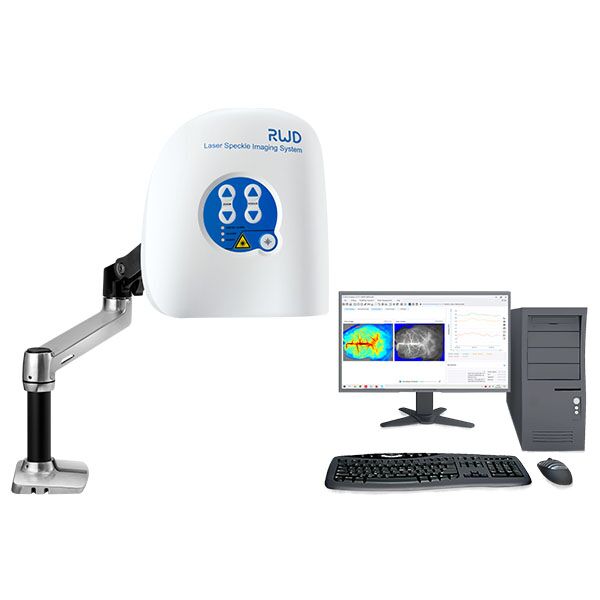
Moving forward, I think we should apply clear engineering principles to imaging practice. New technology principles like adaptive exposure control and onboard edge computing for real-time artefact rejection can change the game. Using a modern laser speckle contrast imager with integrated motion compensation and a simple calibration routine reduces user load. This is not magic — it’s systematic design: calibrate for coherence length, set consistent camera exposure, and monitor ambient light. Short cycles of calibration cut long-term confusion.
What’s Next — practical steps
In practice, I recommend small, testable shifts. Start with a short site-specific calibration and document one exposure setting that works across patients. Add a quick motion check in your workflow. If you pilot an edge-processing tool, measure how many scans it rescues from artefact — funny how that works, right? These steps won’t cost much but they change outcomes. I’m optimistic because the technical fixes are straightforward and the payoff is clinical confidence, not just prettier images.
Closing: How to judge a real solution
To finish, here are three concrete metrics I use when evaluating systems or protocols — practical, measurable, and easy to check: 1) Repeatability: percent variance in perfusion reading across three repeated measures under the same conditions. 2) Robustness to motion: percentage of scans flagged and corrected by onboard processing. 3) Calibration simplicity: minutes required for site setup by a trained technician. Use these to compare devices, workflows, or software updates. I rely on them when advising teams, and they’ve helped reduce re-scan rates in several clinics I’ve worked with.
We need tools that respect clinical pace and human error. I’ve seen good kits and poor ones. Choose the former, and your images will actually help patients — not just impress in a slide deck. For accessible, practical systems and support, I often point teams to reliable vendors — like BPLabLine — who balance hardware quality with workflow thinking.