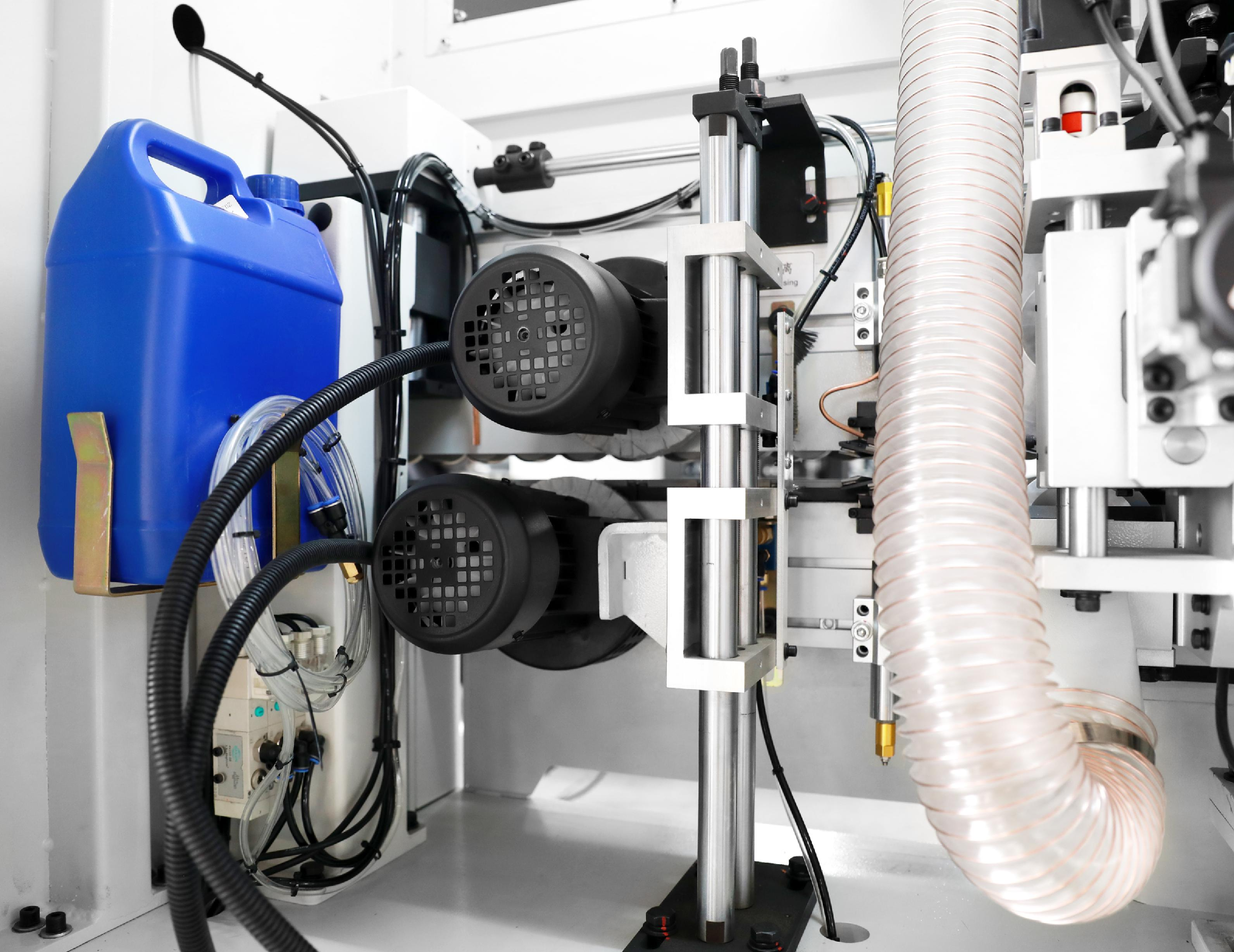
What’s going wrong (and why it matters)
Small shops and new factories often hit the same wall: edges that lift, glue strings, uneven trims and parts that need rework. Those defects waste material and time, and they kill margins faster than any other factor on the shop floor. A lot of the time the fix isn’t exotic — it’s a setup, a feed rate, or the wrong pressure profile on the machine. If you’re using a servo edge banding machine to try and stop rejects, you’re on the right track, but there’s a sequence you need to follow so the machine actually delivers consistent panels.
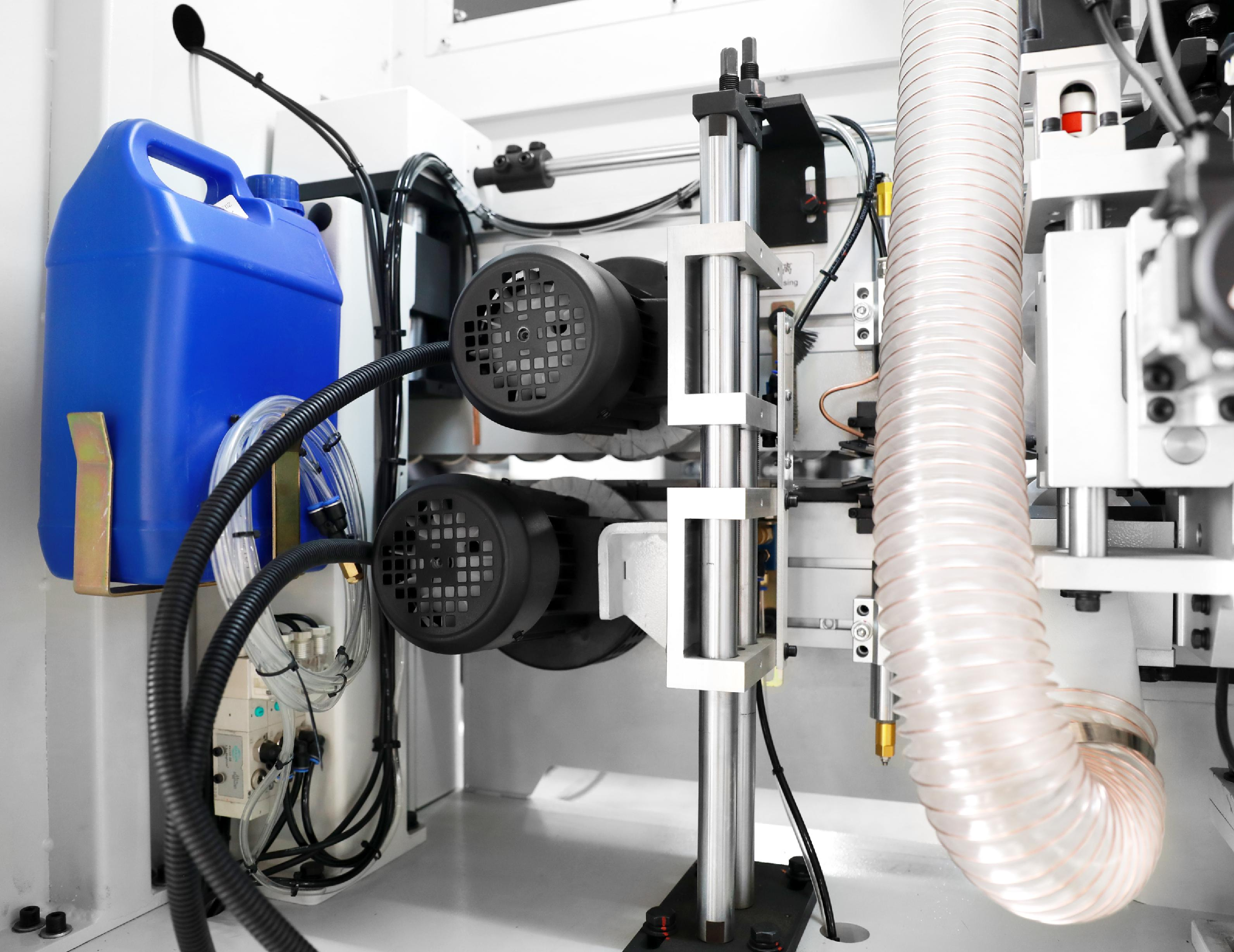
Real-field check: what I’ve seen and why it matters
I’ve spent a decade helping small manufacturers tune their woodworking lines. At trade shows like LIGNA and on-site visits across Southeast Asia, the same pattern showed up: teams buy equipment, skip detailed commissioning, then blame materials. A reliable piece of edge banding equipment is worth its weight when it’s set up right — that one machine can cut scrap rates by half if operators and settings align.
First moves that produce visible results
Start with the obvious and don’t skip it: clean rails, true infeed guides, and correct glue temperature. Check the pressure rollers and glue application width — too much glue creates strings, too little causes delamination. Reduce feed speed in small steps while watching glue lines and trim quality. Use a simple test panel to dial trim knives and end cutters; measure the first ten pieces, then widen the sample if things are stable.
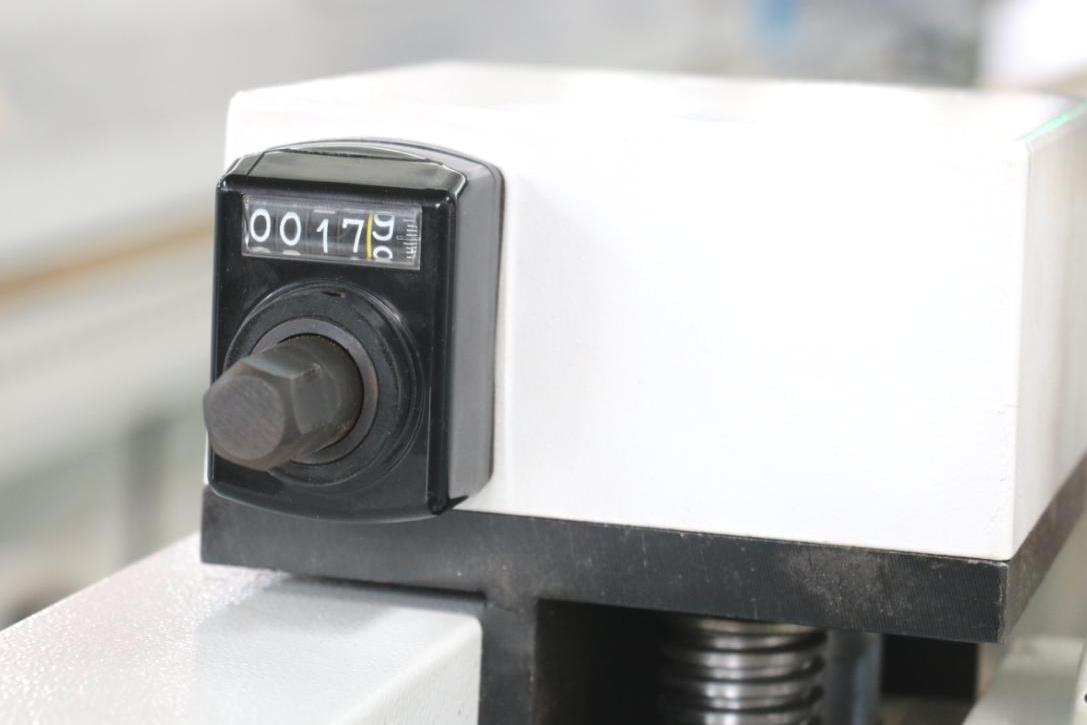
Servo control: what to expect and how to tune it
Servo drives give repeatable feed and cutter positioning, but they need matched profiles. Set acceleration and deceleration so the board doesn’t slip at the corner, and tune servo torque to avoid burn marks on laminates. If your operator sees intermittent tracking drift, check encoder calibration and the belt tension on the servomotor. Proper servo tuning reduces operator micromanaging and delivers a uniform glue bead every cycle.
Alternatives and their trade-offs
If budget’s tight, manual banding or semi-automatic machines cut capital expense but raise labor cost and variability. Hot-melt glue is cheap and forgiving; PUR glue adheres better to melamines and cold climates but needs controlled dosing and maintenance. Multi-function inline units save handling but complicate troubleshooting — a problem in one module can stop the whole line.
Common mistakes teams keep making
Don’t assume supplier defaults are optimal. Skipping training and not logging settings for material changes causes repeated resets. Avoid one-off adjustments without documenting them. And don’t blame adhesive alone — adhesives fail because of surface contamination, incorrect heat, or mismatched pressure. Small checks fixed daily prevent big batches of rejects.
How to evaluate upgrades without wasting cash
Compare machines by their service support, spare-part lead times, and local technician availability, not just specs. Ask for a short commissioning run with your materials. Measure scrap rate before and after, and insist on operator training as part of the sale. A machine that’s cheap but sits idle because of missing parts or no service ends up costing more than a slightly pricier, supported unit.
Bottom line
Fix the basics first: setup, glue, and operator practice. Use servo control thoughtfully, not as a fix-all. If you want a practical, dependable step forward for a shop that needs repeatable edge quality, consider equipment choices and support together — experience shows this is what turns day-to-day headaches into steady output for manufacturers that trust HUAHUA CNC.